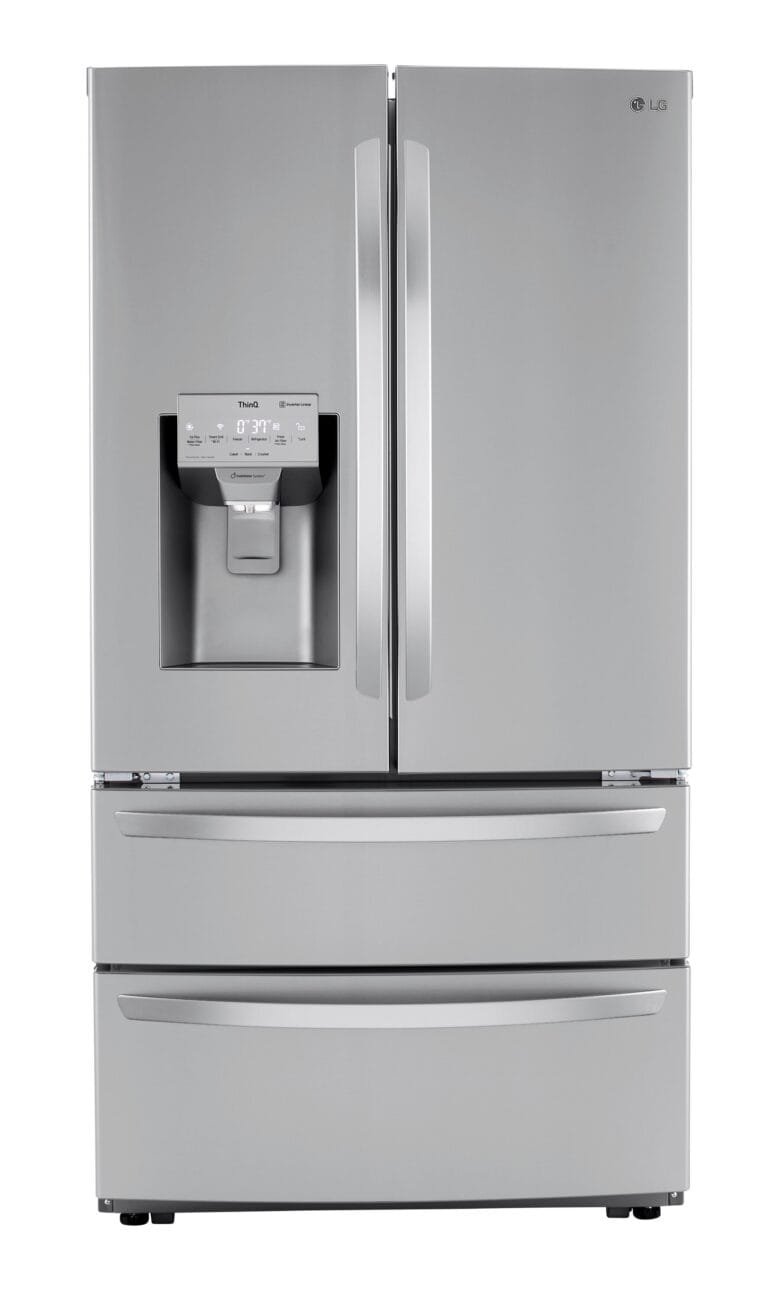
Many homeowners consider putting a refrigerator in the garage to free up kitchen space or store extra food and drinks. While it is possible to keep a fridge in your garage, it’s not always a good idea. Temperature extremes, energy efficiency, and appliance design all play a role in whether a garage fridge will work reliably.
Here’s a clear, practical guide to help you decide.
The Short Answer
Yes, you can keep a fridge in your garage—but only if the garage temperature stays within the fridge’s operating range or the refrigerator is designed for garage use.
Most standard refrigerators are built to operate in controlled indoor environments, not uninsulated garages with extreme heat or cold.
Why Garage Temperatures Matter
Refrigerators rely on ambient air temperature to regulate internal cooling. When your garage gets too hot or too cold, the fridge may not function properly.
Cold Weather Problems
In cold climates, garage temperatures can drop below freezing. When this happens:
- The thermostat may think the fridge is already cold enough
- The compressor may stop running
- The freezer can thaw and refreeze unpredictably
- Food spoilage risk increases
Many standard fridges stop working efficiently below 50–55°F (10–13°C).
Hot Weather Problems
In very hot garages:
- The compressor has to work harder
- Energy consumption increases
- The fridge may struggle to maintain safe temperatures
- The lifespan of the appliance may shorten
Most refrigerators are not designed to operate above 100–110°F (38–43°C).
What Is a “Garage‑Ready” Refrigerator?
A garage‑ready refrigerator is specifically designed to handle wider temperature ranges, often from 0°F to 110°F (-18°C to 43°C).
These models include:
- Enhanced insulation
- Improved thermostats
- Components rated for extreme conditions
If your garage is unheated or poorly insulated, this type of fridge is strongly recommended.
How to Check If Your Fridge Is Suitable for the Garage
Before moving a fridge into your garage, check:
- Manufacturer specifications
Look for the climate class or operating temperature range in the manual. - Garage insulation
Insulated garages maintain more stable temperatures. - Local climate
Extreme winters or summers increase the risk of failure. - Usage purpose
Occasional beverage storage is less risky than long‑term food storage.
Energy Efficiency Considerations
A fridge in the garage often uses more electricity due to temperature extremes. This can:
- Increase utility bills
- Reduce energy efficiency ratings
- Cause the compressor to cycle more frequently
If energy efficiency matters, a garage‑ready or dedicated garage refrigerator is the better option.
Safety and Food Storage Concerns
Improper temperatures can lead to:
- Spoiled food
- Bacterial growth
- Melted and refrozen frozen foods (often unnoticed)
To stay safe:
- Use an appliance thermometer
- Keep fridge temperature at 37–40°F (3–4°C)
- Keep freezer temperature at 0°F (-18°C)
Tips for Using a Fridge in the Garage
If you decide to keep a fridge in your garage:
- Choose a garage‑ready model
- Insulate the garage if possible
- Avoid placing the fridge against exterior walls
- Keep it out of direct sunlight
- Clean coils regularly for better efficiency
When a Garage Fridge Makes Sense
A garage fridge works well if:
- You live in a mild climate
- Your garage is insulated or temperature‑controlled
- You use a garage‑ready refrigerator
- You mostly store drinks or non‑critical items
When It’s a Bad Idea
It may not be worth it if:
- Temperatures drop below freezing or exceed extreme heat
- You store meat, dairy, or long‑term frozen food
- You rely on an older, standard refrigerator
Final Verdict
Yes, you can keep a fridge in your garage—but only under the right conditions.
For most households, the safest and most reliable solution is a garage‑ready refrigerator, especially in areas with hot summers or cold winters.
Choosing the right fridge and monitoring temperatures can prevent food waste, appliance damage, and unnecessary energy costs.