
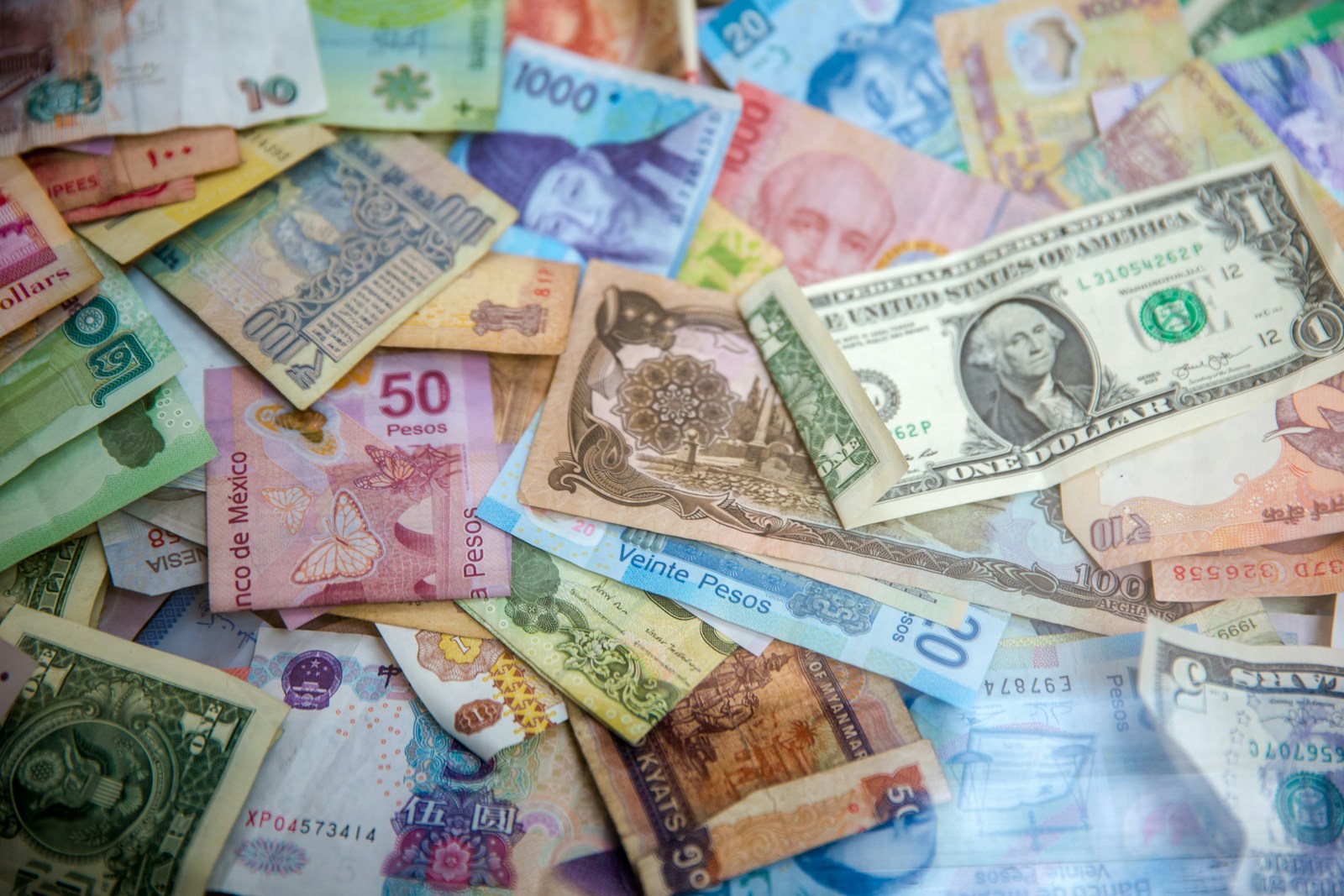
When looking at global currencies, many people wonder which one holds the most value. This natural curiosity often stems from interest in international finance, travel planning, or investment considerations. Understanding currency strength can help you make better financial decisions whether you’re traveling abroad or diversifying your investment portfolio.
The Kuwaiti dinar (KWD) is currently the world’s strongest currency, with one dinar worth approximately 3.26 US dollars. This means when exchanging currencies, you get more value from the Kuwaiti dinar than any other currency globally. The strength of a nation’s currency typically reflects its economic stability, government policies, and natural resources – factors that can significantly impact your international financial transactions.
1: Kuwaiti Dinar (KWD)
The Kuwaiti Dinar currently holds the prestigious title of the world’s strongest currency. As of 2025, this powerful currency has an impressive exchange rate with 1 KWD buying approximately 3.26 US dollars.
Kuwait’s economic strength comes largely from its vast oil reserves. The country has carefully managed its petroleum-based economy, helping to maintain the dinar’s high value over time.
You might be surprised to learn that the Kuwaiti Dinar’s strength stems from a unique economic strategy. The government closely monitors and regulates the currency to ensure stability in the global market.
If you’re planning to visit Kuwait, be prepared for the high purchasing power of the local currency. Everyday items might seem relatively expensive when converted from your home currency.
The dinar’s value is monitored closely by financial institutions worldwide. Its consistently high exchange rate makes it an important consideration for international investors and businesses operating in the region.
When trading with Kuwait, you should always check the latest exchange rates, as even small fluctuations can have significant impacts on large transactions. The KWD has maintained its position at the top of global currency rankings due to Kuwait’s stable economy and careful financial management.
2: Bahrain Dinar (BHD)
The Bahraini Dinar stands as the second most valuable currency in the world. If you’re looking for powerful currency, BHD should be on your radar. This impressive monetary unit is divided into 1000 smaller units called fils.
Bahrain’s economy relies heavily on oil and gas exports, which contribute significantly to the strength of their currency. The country’s stable financial policies have helped maintain the dinar’s high value over time.
You might be surprised to learn that Bahrain attracts expatriates from around the globe. The high value of BHD makes it an attractive destination for international workers seeking strong earning potential.
When comparing global currencies, the Bahraini Dinar consistently ranks at the top of the list. Its exchange rate against the Indian Rupee (INR to BHD) is commonly used as a reference point due to its status as one of the highest-valued currencies.
Like several other Arabic currencies, the Bahraini Dinar maintains impressive stability and purchasing power. If you’re traveling to Bahrain, you’ll need to exchange significantly more of your home currency to receive dinars in return.
3: Omani Rial (OMR)
The Omani Rial stands as the third-strongest currency in the world, with an impressive exchange rate of 1 OMR equaling approximately $2.60 USD. This means when you exchange 1 US dollar, you’ll receive only about 0.38 Omani Rial in return.
Oman’s currency gained its remarkable strength shortly after its introduction, primarily due to the nation’s successful oil exports. The currency is pegged to the US dollar, which helps maintain its stability and strength in global markets.
If you’re traveling to Oman or conducting business there, you should be aware that the high value of the OMR means your home currency might not stretch as far. For Indian travelers, the conversion is particularly notable with one OMR equaling approximately Rs. 225.58.
The Omani government has worked to diversify its economy beyond just oil and gas exports, which has helped maintain the rial’s strength. This economic strategy provides you with more confidence when holding this currency for the long term.
When exchanging money for a trip to Oman, you’ll notice the high denomination nature of this currency can be surprising if you’re used to currencies with lower values. Plan your budget accordingly to avoid exchange rate surprises during your visit.
4: Jordanian Dinar (JOD)
The Jordanian Dinar ranks as the fourth-strongest currency in the world, with an impressive exchange rate of 1 JOD buying approximately 1.41 US dollars. This makes it one of the few currencies globally that outvalues the American dollar.
Jordan’s currency has maintained remarkable stability despite facing numerous regional challenges. This strength isn’t accidental but stems from careful economic management and strategic decisions.
The high value of the JOD comes from a combination of factors. Jordan’s central bank policies have prioritized currency stability, and the country has maintained consistent foreign reserves to back its currency value.
You might be surprised to learn that the JOD has a unique history. Before 1992, both the Jordanian dinar and Israeli shekel were used in the West Bank, creating an interesting currency overlap in the region.
What makes the JOD particularly noteworthy is how it has maintained its strength despite regional turmoil. While neighboring countries have experienced currency fluctuations, Jordan’s dinar remains steady.
For travelers to Jordan, this means your dollars won’t stretch as far as they might in other Middle Eastern destinations. The dinar’s strength reflects Jordan’s commitment to economic stability in a sometimes volatile region.
5: Pound Sterling (GBP)
The British Pound holds its place as the fifth-strongest currency in the world in 2025. This impressive standing continues despite challenges like Brexit and ongoing changes in the UK’s relationship with the European Union.
When you exchange currencies, you’ll find that 1 pound buys approximately 1.22 US dollars. This means the dollar is worth about 0.82 pounds, showing GBP’s considerable strength in global markets.
London’s position as a major financial hub greatly supports the pound’s value. The city remains one of the world’s leading centers for international banking and trading, which helps maintain investor confidence in the currency.
The pound’s strength is also reflected in global reserves. It ranks as the fourth most-held reserve currency worldwide, demonstrating its importance in international finance.
The Bank of England serves as the central bank for sterling and controls its issuance. This institution’s long history and reputation for sound monetary policy contribute to the pound’s stability and global standing.
When you travel to the UK, you’ll notice the pound’s purchasing power. Your money often goes further in countries with weaker currencies, while in the UK, you might find prices relatively high due to the pound’s strength.
6: Gibraltar Pound (GIP)
The Gibraltar Pound (GIP) currently ranks as the sixth strongest currency in the world. This impressive position comes from its direct 1:1 peg with the British Pound Sterling, making it very stable.
When you exchange currency, you’ll find that 1 Gibraltar Pound buys approximately 1.22 US dollars. In reverse, $1 equals about 0.82 Gibraltar Pounds as of early 2025.
Gibraltar, a British Overseas Territory, maintains its own currency despite its small size. The territory prints its own banknotes and mints its own coins that circulate alongside British currency.
An interesting fact about the GIP is that while it’s accepted throughout Gibraltar, you cannot use it in the United Kingdom. This limited circulation makes it rarely exchanged abroad.
The strength of the Gibraltar Pound benefits the territory’s economy and provides stability for its 30,000 residents. Tourism and financial services thrive under this monetary arrangement.
The currency’s stability is maintained through strong economic policies and its fixed exchange rate system. This has helped Gibraltar maintain its position among the world’s strongest currencies despite global economic fluctuations.
You’ll find that Gibraltar’s strategic location at the entrance to the Mediterranean has helped it develop a robust economy that supports its strong currency.
7: Swiss Franc (CHF)
The Swiss Franc stands as one of the strongest currencies in the world. Known for its remarkable stability, the CHF has consistently maintained its value even during global economic turbulence.
Switzerland’s political neutrality and robust banking system have made their currency a safe haven for investors. When markets get shaky, many people turn to the Swiss Franc to protect their wealth.
Recent data shows the Swiss Franc has been making waves as one of the strongest currencies in recent times. Its performance has been particularly impressive over the past decade.
You might be surprised to learn that one Swiss Franc currently buys about 1.08 US dollars. This exchange rate showcases its significant purchasing power on the global stage.
The Swiss National Bank carefully manages the CHF to prevent excessive appreciation. Even with these interventions, the Franc continues to appreciate against major currencies like the Euro and US Dollar.
When planning your investment portfolio, you should consider the CHF for diversification. Many financial experts recommend including it as a hedge against market volatility.
The Swiss Franc is frequently traded on forex markets and remains popular with both casual and institutional investors. Its reputation for reliability makes it an attractive option for your long-term financial planning.
8: Euro (EUR)
The Euro is one of the world’s most important currencies. It ranks eighth among the strongest currencies globally, with 1 euro buying about 1.08 US dollars as of early 2025.
As a relatively new currency, the Euro has quickly established itself on the world stage. It serves as the official currency for 19 European Union countries, making it the most widely used currency across the continent.
Over 340 million EU citizens use the Euro in their daily lives. This wide adoption has helped it become the second most important currency in the world.
When you travel through Europe, you’ll appreciate the convenience of using a single currency across many countries. This eliminates the need for multiple currency exchanges as you move between member nations.
The Euro’s value is influenced by many factors. This complexity stems from its role across multiple economies with different strengths and challenges.
If you’re looking to invest or save in a stable currency, the Euro offers good value. Its position as a major reserve currency gives it strength and stability in the global financial system.
The Euro’s design features distinct architectural styles from various European periods. This symbolizes the cultural heritage shared across the eurozone countries.
9: United States Dollar (USD)
The US dollar ranks as the 10th-strongest currency in the world. While not the highest in value, it holds an unmatched position of global influence compared to other currencies.
You’ll find the dollar’s power comes from its status as the world’s primary reserve currency. Central banks worldwide hold dollars as part of their foreign exchange reserves, creating constant demand.
The dollar forms half of the strongest currency pair when combined with the euro (EUR/USD). This pairing is heavily traded due to the robust economies backing both currencies.
When traveling internationally, you’ll notice the widespread acceptance of US dollars. Many countries will take dollars even alongside their local currency, especially in tourism-focused areas.
The dollar’s strength affects global trade significantly. Most commodities, including oil, are priced in dollars, giving the US currency additional influence in international markets.
You can easily compare the dollar’s value against other currencies online. This helps when planning international investments or travel.
Despite not being the absolute strongest in exchange value, the dollar’s stability and liquidity make it a cornerstone of the global financial system. Few currencies can match its overall importance in world economics.
10: Canadian Dollar (CAD)
The Canadian Dollar ranks as one of the world’s strongest currencies. It accounts for approximately two percent of global reserves, making it the fifth-most held reserve currency in the world.
You might be surprised to learn that while the CAD isn’t in the top 10 strongest currencies by value, it’s still considered among the top 25 strongest currencies globally. This makes it a relatively stable investment option for your portfolio.
The CAD is also known as the “loonie,” named after the loon bird featured on the one-dollar coin. Many central banks choose to hold Canadian dollars as part of their foreign exchange reserves due to Canada’s political stability and strong financial system.
When looking at currency trading, you’ll find the Canadian dollar is particularly popular in forex markets. The Canadian dollar is the official legal tender of Canada and maintains its reputation through the country’s resource-rich economy and prudent financial policies.
If you’re considering currency exchange, you can easily compare CAD conversion rates to other global currencies. This helps you make informed decisions about when to buy or sell Canadian dollars.
Financial analysts project that the CAD may face some fluctuations in the near future. Trading Economics models suggest the Canadian Dollar is expected to trade at 1.44 by the end of this quarter.
Economic Stability
Economic stability plays a crucial role in determining the world’s strongest currencies. Countries that maintain stable economies tend to have currencies that hold their value better over time.
Inflation Control
Inflation control is a key factor in maintaining a strong currency. The Swiss franc is considered one of the most stable currencies due to Switzerland’s consistent low inflation rates. When a country keeps inflation in check, it preserves the purchasing power of its currency.
Countries with the strongest currencies implement strict monetary policies to prevent excessive price increases. The Swiss National Bank, for example, targets inflation at around 2% annually.
You’ll notice that Kuwait’s dinar, currently the strongest currency in the world, maintains its value partly through careful inflation management. Kuwait’s central bank closely monitors the economy to prevent rapid price changes.
Interest Rate Policy
A country’s interest rate policy significantly impacts its currency strength. Higher interest rates generally attract foreign investment, increasing demand for the currency and boosting its value.
When you invest in a country with higher interest rates, you can earn better returns. This principle helps explain why stable currencies like the Swiss franc remain attractive to global investors.
Central banks use interest rates as tools to balance economic growth and currency stability. For instance, Switzerland is recognized as one of the world’s most stable nations, which enhances the Swiss franc’s appeal as a safe-haven currency during global economic uncertainty.
You should consider a country’s long-term interest rate history when evaluating currency stability, not just current rates. Countries with predictable, transparent interest rate policies tend to maintain stronger currencies over time.
Currency Strength Factors
Several key elements determine how strong a currency is in the global market. These factors affect not only exchange rates but also a nation’s economic health and international purchasing power.
Trade Balance Impact
A country’s trade balance significantly influences its currency strength. When a nation exports more than it imports, demand for its currency increases, strengthening its value. This happens because foreign buyers need the local currency to purchase exported goods.
Countries with positive trade balances like China and Germany often enjoy stronger currencies. For example, when foreign companies buy German machinery, they must first convert their money to euros, increasing demand for the euro.
The opposite occurs with trade deficits. When you import more than you export, your currency’s value may decline. This is because your country releases more currency into foreign markets than it receives.
Sudden changes in trade patterns can cause rapid currency fluctuations. If oil prices drop sharply, oil-exporting nations may see their currencies weaken quickly.
Foreign Exchange Reserves
A nation’s foreign exchange reserves act as a safety net for its currency. These reserves consist of foreign currencies (primarily US dollars) and gold that countries hold in their central banks.
Large reserves allow a country to intervene in currency markets when needed. The Kuwaiti Dinar, recognized as the world’s strongest currency, is backed by substantial oil reserves and prudent financial management.
When market volatility threatens your currency’s value, your central bank can use these reserves to buy local currency, reducing supply and supporting its value.
Countries with minimal reserves face higher risks during economic crises. Without adequate reserves, they cannot effectively defend their currencies against speculative attacks or sudden economic shocks.
China, Japan, and Switzerland maintain particularly large foreign exchange reserves relative to their economic size, which helps explain their currencies’ stability.
Frequently Asked Questions
Currency strength impacts international trade, investment opportunities, and economic stability. Understanding what makes currencies powerful helps investors and travelers make informed decisions about their money.
What factors contribute to a currency’s strength on the global market?
A currency’s strength depends on several key factors. Economic stability and growth in a country often lead to a stronger currency.
Low inflation rates help maintain purchasing power over time. Countries with strong fiscal policies and manageable debt levels typically have stronger currencies.
Natural resources, particularly oil reserves as seen with the Kuwaiti dinar, can significantly boost currency value.
Which currency has the highest value in comparison to the US dollar?
The Kuwaiti dinar (KWD) currently holds the position as the world’s strongest currency compared to the US dollar. One US dollar equals approximately 0.31 KWD.
The Bahraini dinar (BHD) and Omani rial (OMR) follow as the second and third strongest currencies respectively.
The Jordanian dinar (JOD) and British pound (GBP) also rank among the top five most valuable currencies against the dollar.
How do exchange rates affect the ranking of the world’s strongest currencies?
Exchange rates directly determine currency strength rankings. These rates fluctuate based on supply and demand in foreign exchange markets.
Central bank policies, including interest rate decisions, significantly impact these rankings. When a central bank raises interest rates, it often strengthens the currency.
Trade balances also affect exchange rates – countries that export more than they import typically see stronger currencies over time.
What are the characteristics of a stable and strong currency?
Strong currencies typically come from countries with political stability and robust legal frameworks. These foundations create trust in the monetary system.
Low volatility is another hallmark of strong currencies. When values don’t swing dramatically, investors and businesses can plan with confidence.
Strong currencies usually maintain their purchasing power over time, with inflation rates remaining low and predictable.
How do geopolitical events influence the perceived strength of a currency?
Political unrest can quickly weaken a currency as investors seek safer options. Elections, policy changes, and international conflicts create uncertainty that affects currency values.
Trade agreements and sanctions directly impact currency strength. New trade deals often strengthen currencies while sanctions can severely weaken them.
Regional stability matters too. Even if a country itself is stable, unrest in neighboring nations can affect perception of its currency’s safety.
In what ways can a currency’s strength impact a country’s economy?
A strong currency makes imports cheaper, benefiting consumers and businesses that rely on foreign goods. This can help control inflation by reducing the cost of imported products.
However, exports become more expensive to foreign buyers. This can hurt manufacturing sectors and companies that sell goods internationally.
Tourism can suffer when a currency is strong, as visiting becomes more expensive for foreigners. Conversely, citizens enjoy greater purchasing power when traveling abroad.