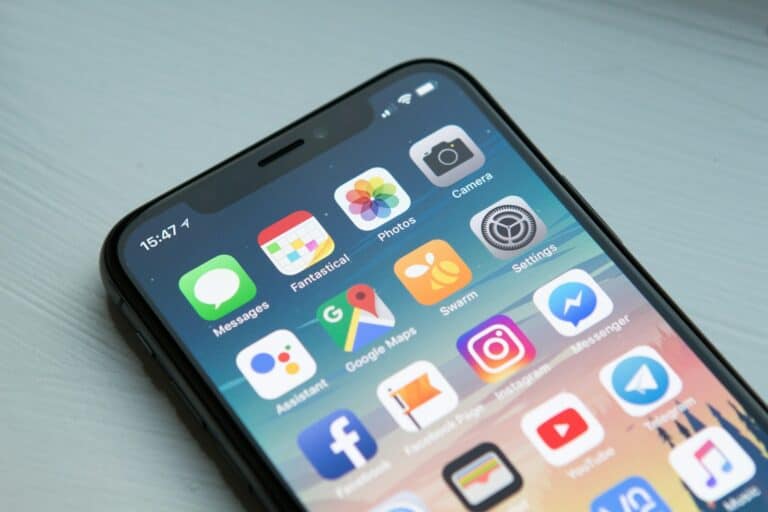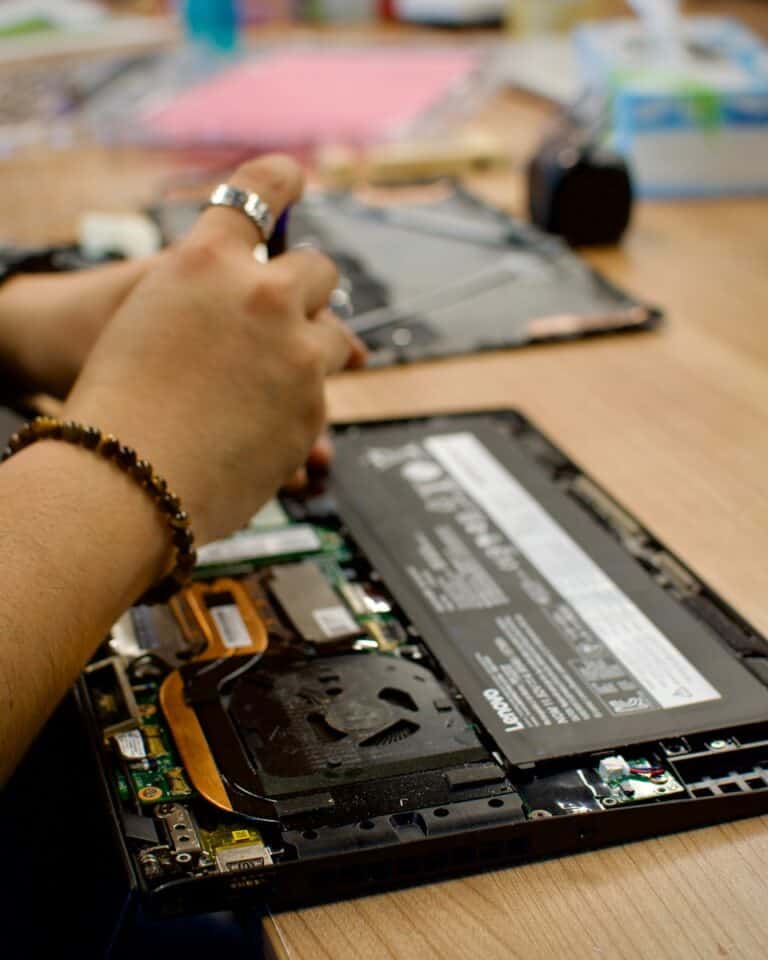
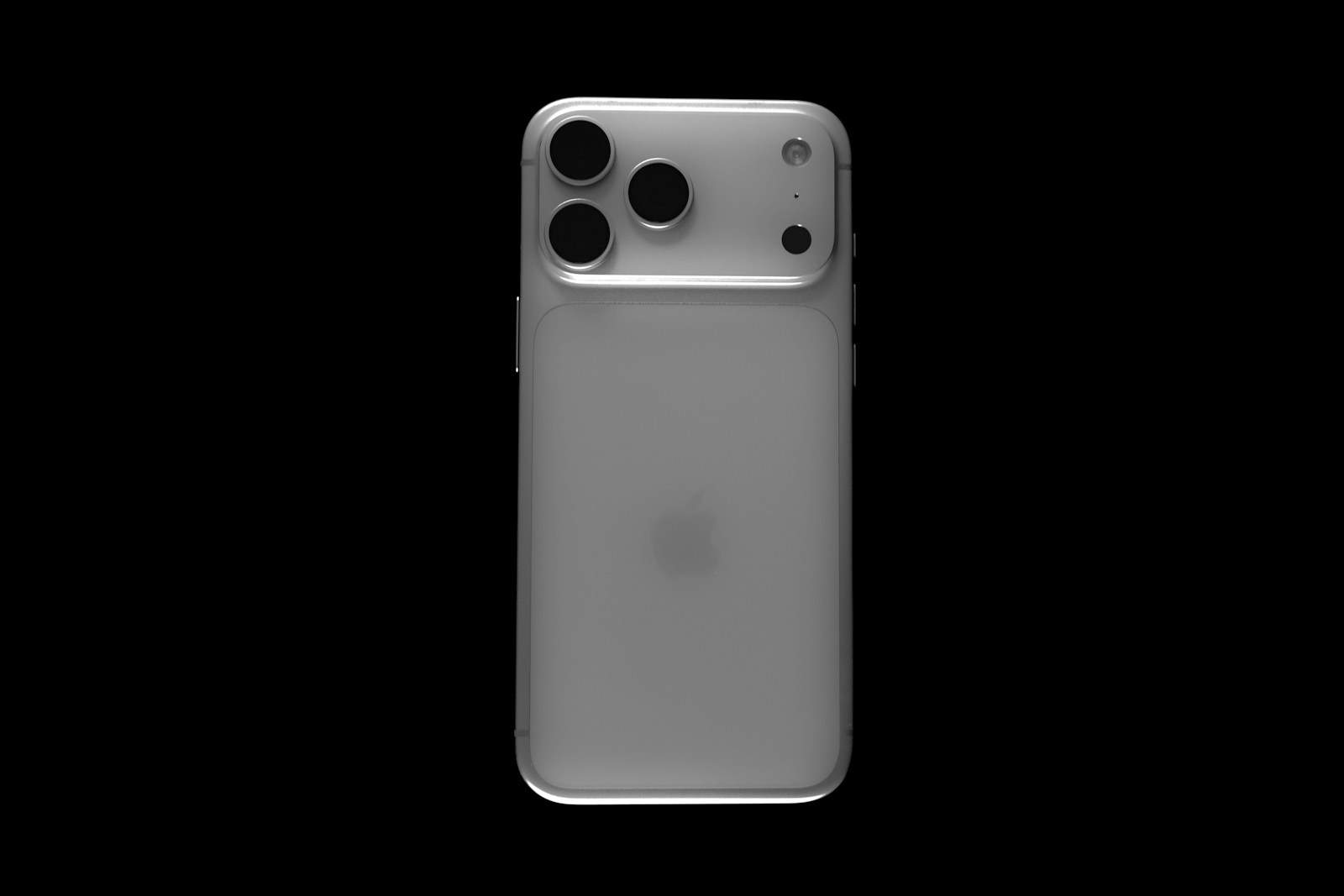
As 2025 comes into focus as a pivotal year for Apple, it’s clear the company wasn’t chasing reinvention—it was refining dominance. With the release of the iPhone 17, MacBook Pro powered by M5, and Apple Watch Ultra 3, Apple doubled down on performance, efficiency, and ecosystem integration rather than radical design shifts.
Here’s a complete look back at Apple’s 2025 product lineup and why it mattered.
iPhone 17: Iteration With Purpose
A More Mature iPhone Era
The iPhone 17 lineup, unveiled in September 2025, represented Apple’s most mature smartphone release to date. Instead of dramatic redesigns, Apple focused on refining what already worked.
Key Highlights
- Improved efficiency from the A19 chip
- Thinner bezels across all models
- Noticeable camera upgrades driven by computational photography
- Continued USB‑C refinement
- Battery life improvements rather than capacity increases
Apple clearly optimized for real‑world performance over spec chasing.
Camera Evolution Over Revolution
Rather than adding excessive lenses, Apple improved:
- Low‑light performance
- Video stabilization
- AI‑assisted photo processing
For creators, the iPhone 17 felt less like a new device and more like a professional tool finally reaching maturity.
MacBook Pro with M5: Apple Silicon Hits Its Stride
M5 Chip: Power Without Compromise
The MacBook Pro M5, launched in late 2025, marked a turning point for Apple Silicon.
Why M5 Stood Out:
- Massive gains in sustained performance
- Improved thermal efficiency
- AI and machine‑learning workloads handled locally
- Minimal performance throttling under heavy loads
This wasn’t just a faster chip—it was a more predictable one, especially for developers and creative professionals.
Professional Machines, Finally Unquestioned
By 2025, the MacBook Pro:
- Outperformed many desktop systems
- Offered all‑day battery life under mixed workloads
- Eliminated the need for “Pro vs desktop” compromises
For many users, the M5 MacBook Pro became their only computer.
Apple Watch Ultra 3: Refining the Rugged Standard
Not Flashy—Functional
The Apple Watch Ultra 3 didn’t try to redefine smartwatches. Instead, Apple focused on:
- Incremental durability improvements
- More accurate GPS and sensor tracking
- Better battery efficiency
- Enhanced health monitoring accuracy
It was less about new features and more about trust and reliability.
The Watch for Serious Users
In 2025, the Ultra line fully separated itself from the standard Apple Watch:
- Built for athletes, adventurers, and professionals
- Less fashion‑focused, more tool‑like
- Competing directly with Garmin and other specialized wearables
The Ultra 3 proved Apple was committed to purpose‑built devices, not one‑size‑fits‑all hardware.
Apple’s 2025 Strategy: Evolution Over Disruption
Across all products, a clear theme emerged:
✅ Longer product life cycles
✅ Better efficiency instead of raw specs
✅ Deeper ecosystem integration
✅ AI handled quietly in the background
Apple wasn’t trying to impress with headlines—it was aiming for longevity and reliability.
Why 2025 Mattered in Apple’s History
Looking back, 2025 feels like:
- The year Apple Silicon fully matured
- The moment iPhone innovation shifted from hardware to experience
- A confirmation that wearables had moved into specialized roles
Rather than chasing trends, Apple reinforced its core strength: tight integration between hardware, software, and services.
Final Thoughts: A Confident, Controlled Apple
The iPhone 17, MacBook Pro M5, and Apple Watch Ultra 3 may not have felt revolutionary at launch—but in hindsight, they represented Apple at its most confident.
2025 wasn’t about change for the sake of change.
It was about getting everything right.