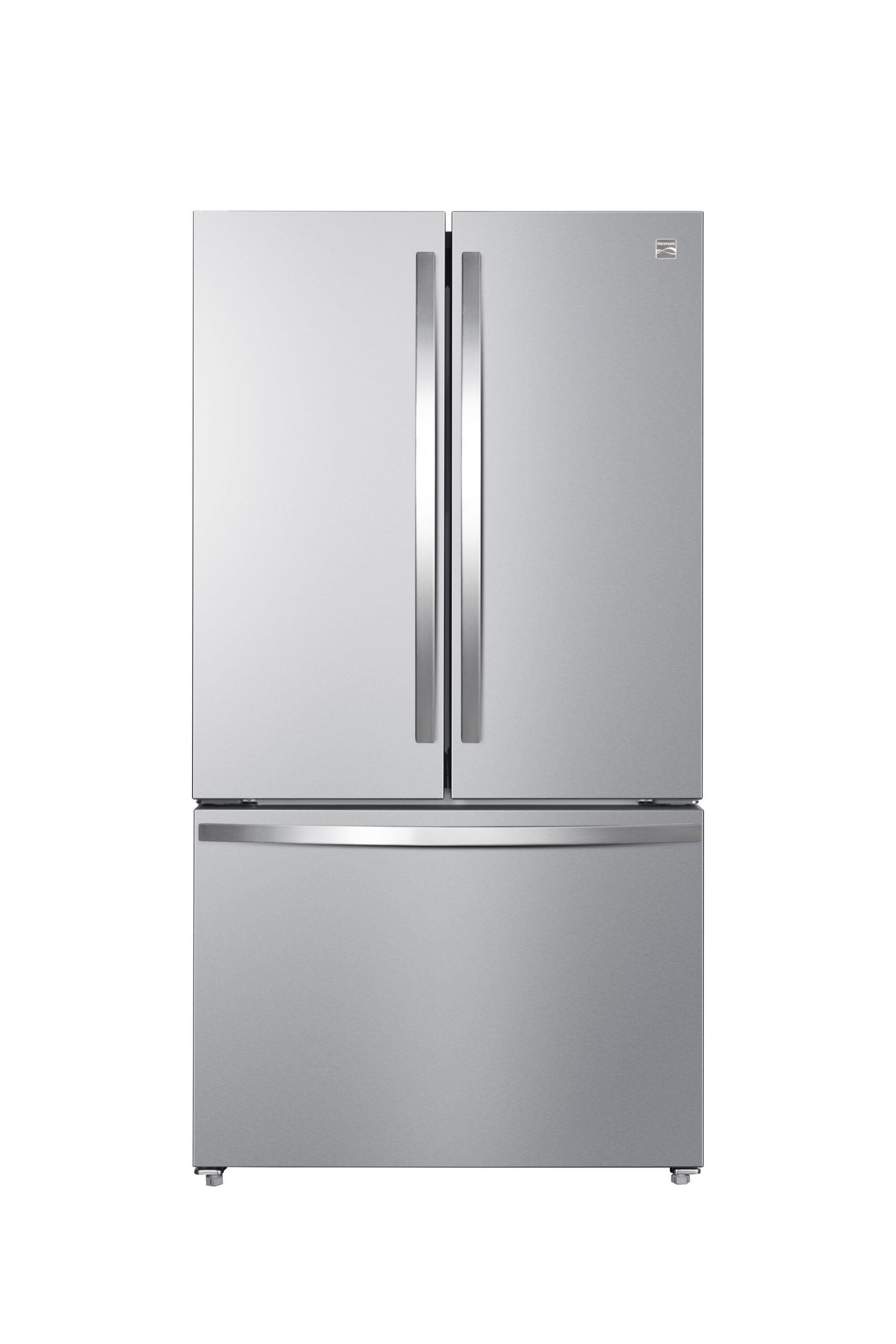
Is your Kenmore refrigerator not keeping your food cold? Few appliance problems are as stressful as a fridge that stops cooling. When your Kenmore refrigerator fails to maintain proper temperature, it’s often due to one of several common issues that you might be able to fix yourself before calling a professional.
The most common reasons for a Kenmore refrigerator not cooling include a locked compressor, blocked vents, dirty condenser coils, or a faulty electronic control board. Simple troubleshooting steps like checking the temperature settings, ensuring proper airflow, and examining the door seals can often resolve the problem without costly repairs.
A non-cooling refrigerator doesn’t always require professional help. By understanding how your Kenmore refrigerator works and following some basic diagnostic steps, you can potentially identify and fix the issue yourself, saving both time and money on unnecessary service calls.
How to Fix a Kenmore Fridge That’s Not Cooling
Complete Troubleshooting Guide
If your Kenmore refrigerator is not cooling, don’t panic. Many cooling problems are caused by simple issues that can be fixed without replacing the fridge. This guide walks you through step‑by‑step troubleshooting, from quick checks to more advanced repairs.
Safety First
Before inspecting or repairing your fridge:
- ✅ Unplug the refrigerator
- ✅ Wear work gloves
- ✅ Avoid touching exposed wiring
- ✅ Use caution around sharp metal edges
Step 1: Check the Temperature Settings
It sounds obvious, but temperature settings are the most common cause.
Correct Settings
- Refrigerator: 37–40°F (3–4°C)
- Freezer: 0°F (‑18°C)
✅ If recently adjusted, allow 24 hours for temperatures to stabilize.
Step 2: Make Sure the Fridge Has Power
Check:
- Interior lights turn on
- Display panel works
- Outlet is functioning (test with another device)
🔌 If the fridge is completely dead:
- Reset the circuit breaker
- Try a different outlet
Step 3: Clean the Condenser Coils (Very Common Fix)
Dirty condenser coils prevent proper heat release.
How to Clean:
- Unplug the fridge
- Locate coils (behind or underneath)
- Use a coil brush or vacuum
- Remove dust, pet hair, and debris
✅ Clean coils can restore cooling immediately
✅ Do this every 6–12 months
Step 4: Check the Door Seals (Gaskets)
A broken seal lets warm air inside.
Test the Seal:
- Close the door on a dollar bill
- If it slides out easily, the seal is bad
Fix:
- Clean seals with warm soapy water
- Replace cracked or loose gaskets
Step 5: Listen for the Evaporator Fan
The evaporator fan circulates cold air.
What to Check:
- Open freezer door and listen
- Fan should run when the compressor is on
❌ If silent or noisy:
- Fan motor may be faulty
- Airflow may be blocked by ice
✅ A non-working fan will cause the fridge section to warm while the freezer may still feel cold.
Step 6: Look for Ice Buildup (Defrost System Failure)
Heavy frost on the freezer back wall indicates defrost issues.
Possible Causes:
- Defrost heater
- Defrost thermostat
- Defrost control board
Quick Test:
- Unplug fridge for 24 hours
- Let ice melt
- If cooling returns temporarily, the defrost system is failing
Step 7: Check Air Vents
Blocked vents prevent cold air circulation.
✅ Make sure food is not blocking:
- Freezer vents
- Refrigerator air channels
Leave space between items for airflow.
Step 8: Inspect the Start Relay & Compressor
Start Relay Symptoms:
- Clicking sound every few minutes
- Fridge not cooling
- Compressor not running
Fix:
- Replace the start relay (inexpensive, common failure)
Compressor Issues:
- Compressor not running at all
- Loud buzzing or clicking
- Fridge warm despite power
⚠️ Compressor repairs usually require a professional.
Step 9: Check the Thermostat (Temperature Control)
If the thermostat is faulty:
- Fridge won’t cycle correctly
- Cooling may stop completely
✅ Test with a multimeter or replace if defective.
Step 10: Reset the Kenmore Refrigerator
Sometimes electronics need a reset.
Reset Method:
- Unplug fridge for 5–10 minutes
- Plug it back in
- Set temperatures correctly
Common Kenmore Fridge Problems & Fixes
| Problem | Likely Cause | Solution |
|---|---|---|
| Fridge warm, freezer cold | Evaporator fan | Replace fan |
| No cooling at all | Start relay / compressor | Replace relay or call technician |
| Ice buildup | Defrost system | Replace defrost component |
| Runs constantly | Dirty coils / bad gasket | Clean coils or replace seal |
| Clicking noise | Start relay | Replace relay |
When to Call a Professional
Call a technician if:
- Compressor is faulty
- Refrigerant is leaking
- Control board has failed
- Repairs exceed fridge value
💡 If your Kenmore fridge is 10+ years old, replacement may be more cost‑effective.
Prevent Future Cooling Problems
✅ Clean condenser coils regularly
✅ Don’t overload the fridge
✅ Keep vents clear
✅ Replace door seals promptly
✅ Maintain proper temperature settings
Final Thoughts
A Kenmore fridge that’s not cooling is often caused by dirty coils, airflow problems, or a faulty fan or relay—many of which are DIY‑friendly fixes. Start with the simple steps before moving to advanced repairs.
If you’ve tried everything and the fridge still won’t cool, professional service may be the best next step.
Key Takeaways
- Check for blocked vents, dirty condenser coils, and proper door seals before assuming a major component has failed.
- Listen for unusual compressor noises that might indicate starter issues or other mechanical problems.
- Regular maintenance of your Kenmore refrigerator can prevent many common cooling problems and extend the appliance’s lifespan.
Understanding Your Kenmore Refrigerator
Before attempting to fix a Kenmore refrigerator that isn’t cooling properly, it’s essential to understand how the appliance works and identify the specific signs of cooling problems. Knowing your model and understanding the basic refrigeration cycle will help diagnose issues more effectively.
Identifying Your Kenmore Model
Kenmore refrigerators come in various models with different features and cooling systems. The model number is typically located inside the refrigerator compartment on a sticker or plate, often on the left wall or ceiling.
Model numbers usually start with three digits:
- 106: Manufactured by Whirlpool
- 253: Manufactured by LG
- 795: Manufactured by LG
- 111: Manufactured by Whirlpool
Knowing the manufacturer behind your Kenmore helps in finding the right parts and repair information. Write down the complete model number before searching for troubleshooting guides or contacting repair services.
Temperature controls and other features vary between models, so having the exact model information is crucial for diagnosing cooling problems correctly.
Components of the Refrigeration Cycle
The cooling system in a Kenmore refrigerator relies on several key components that work together in the refrigeration cycle:
- Compressor: The “heart” of the system that pumps refrigerant through the cooling circuit
- Condenser: Usually located at the back or bottom, it releases heat from the refrigerant
- Evaporator: Absorbs heat from inside the refrigerator
- Expansion valve: Controls refrigerant flow between components
When working properly, this cycle continuously removes heat from inside the refrigerator and releases it outside. The evaporator fan distributes cold air throughout the refrigerator compartments.
Thermostats and electronic control boards regulate this cycle to maintain proper temperatures. Failure in any component can disrupt cooling.
Signs of a Not Cooling Refrigerator
Several symptoms indicate when a Kenmore refrigerator is failing to cool properly:
Temperature issues:
- Food spoiling faster than normal
- Interior feels warm to the touch
- Freezer items partially thawing
- Digital temperature display showing higher than set temperatures
Unusual behavior:
- Compressor not running or constantly running
- Refrigerator lights working but no cooling
- Unusual noises (buzzing, clicking, or rattling)
- Frost buildup in certain areas
Check for blocked vents between the freezer and refrigerator compartments, as these can restrict cold air flow. Listen for fans running, which indicates power is reaching the unit but cooling isn’t happening.
Refrigerator performance may also gradually decline rather than fail suddenly, so monitor temperatures regularly.
Initial Troubleshooting Steps
When your Kenmore refrigerator stops cooling, checking a few basic elements can often reveal the problem without calling a technician. These simple diagnostic steps can help identify whether the issue is something simple like incorrect settings or a more complex problem requiring professional repair.
Inspecting the Power Supply and Settings
First, verify that your Kenmore refrigerator is receiving power. Check if the interior light turns on when the door opens. If not, inspect the power cord for damage and ensure it’s firmly plugged into the outlet.
Test the outlet by plugging in another appliance to confirm it’s functioning properly. Look at your circuit breaker panel for any tripped switches related to the kitchen.
Many cooling issues stem from incorrect temperature settings. Locate the temperature controls in your refrigerator and freezer compartments. For optimal cooling, set the refrigerator between 37-40°F (3-4°C) and the freezer at 0°F (-18°C).
Some Kenmore models have digital displays that may show error codes. Check your owner’s manual to interpret these codes, as they can point to specific problems with your Kenmore refrigerator not cooling.
Evaluating the Thermostat Function
The thermostat controls when the cooling system activates. A faulty thermostat may prevent your Kenmore Elite fridge from maintaining proper temperature.
To test the thermostat, adjust it to the coldest setting and listen for the compressor to start running. You should hear a slight humming sound. If the compressor doesn’t turn on after adjusting the settings, the thermostat might be defective.
Use a refrigerator thermometer to check if the actual temperature matches the setting. Place thermometers in different areas of the refrigerator and freezer, then check readings after 24 hours.
If temperatures don’t match your settings despite the compressor running, this could indicate issues with the sealed cooling system or electronic control board.
Checking for Proper Ventilation
Poor airflow is a common reason for cooling failures. Start by examining the condenser coils, typically located at the back or underneath the refrigerator. These coils release heat from the cooling system.
Cleaning process:
- Unplug the refrigerator
- Locate the condenser coils
- Use a vacuum with a brush attachment to remove dust
- Gently brush any stubborn debris
Check for blocked vents inside the freezer that distribute cold air to the refrigerator section. Remove any items stacked against these vents.
Ensure proper clearance around your refrigerator. Allow at least 1-2 inches of space on all sides and several inches at the top for heat to dissipate effectively. Refrigerators placed in tight spaces often struggle to maintain proper cooling.
Common Cooling Issues and Solutions
When a Kenmore refrigerator stops cooling properly, several key components might be at fault. Identifying and addressing these issues quickly can save your food and prevent costly repairs.
Dealing With a Faulty Compressor
The compressor is the heart of your refrigeration system. It pumps refrigerant throughout the cooling system, and when it fails, your fridge stops cooling altogether.
Signs of a locked compressor include:
- Strange clicking or buzzing noises
- Refrigerator feels warm to touch
- Unit runs but doesn’t cool
To check if your compressor is working:
- Listen for a soft humming sound from the back of the fridge
- Feel if the compressor is warm (it should be)
- Unplug the refrigerator for 5 minutes, then plug it back in
If the compressor fails to start after resetting, it may need professional replacement. Compressor issues often require a technician as they involve handling refrigerant.
Handling a Refrigerant Leak
Refrigerant (sometimes called Freon) circulates through your fridge, absorbing heat from inside and releasing it outside. When there’s a leak, cooling performance drops dramatically.
Warning signs of a refrigerant leak:
- Gradual decrease in cooling efficiency
- Frost patterns becoming uneven or disappearing
- Hissing sounds from the rear or sides of the unit
Refrigerant leaks are not DIY repairs. They require specialized equipment to:
- Detect the precise location of the leak
- Repair the damaged area
- Evacuate the system
- Recharge with the correct amount of refrigerant
A refrigerant leak not only affects cooling capability but can also cause further damage to other components if left unaddressed.
Resolving Evaporator Fan Problems
The evaporator fan circulates cold air from the freezer throughout the refrigerator. When it fails, your freezer might still work while the fridge section warms up.
Troubleshooting steps:
- Open the freezer door and listen for the fan running.
- Check for ice buildup around the fan that could prevent rotation.
- Inspect the fan blade for damage or obstructions.
If the fan is frozen, unplug the refrigerator and allow it to thaw completely. This might take 24-48 hours.
For a non-functioning fan:
- Examine wiring connections for damage
- Test voltage at the fan motor terminals (professional tool required)
- Replace the fan motor if it’s not responding to power
Most Kenmore refrigerator fan motors are accessible after removing the freezer’s rear panel. Replacement fans typically cost $30-$70 plus labor if professionally installed.
Fixing Defrost System Malfunctions
The defrost system prevents ice buildup on the evaporator coils. When it fails, airflow becomes restricted and cooling suffers.
Common defrost system components that fail:
- Defrost heater: Melts ice during defrost cycles
- Defrost thermostat: Controls when the heater activates
- Defrost timer/control board: Regulates defrost cycle frequency
Signs of defrost system problems include excessive frost buildup in the freezer and inconsistent temperatures. This often happens gradually over several weeks.
To check for defrost issues:
- Unplug the refrigerator
- Remove the freezer’s rear panel
- Look for ice buildup on coils (should be frost-free)
If ice is present, the defrost system likely needs repair. You can test the defrost heater with a multimeter to check for continuity. No continuity means the heater is burned out and needs replacement.
Make sure the defrost drain isn’t blocked, as this can cause water to freeze at the bottom of the freezer.
Electrical Component Checks
When your Kenmore fridge isn’t cooling properly, electrical issues are often the culprit. Checking these components can help you identify problems without calling a professional right away.
Testing the Start Relay
The start relay is a critical component that helps the compressor turn on. If your refrigerator runs but doesn’t cool, a faulty start relay might be the problem.
You can test the start relay by unplugging the refrigerator and locating the relay attached to the side of the compressor. Remove it carefully and shake it gently. A rattling sound often indicates a failed relay.
Visual inspection is also important. Look for any signs of burning, melting, or discoloration. These are clear indicators of a problem.
Replace the relay if you notice these issues. New relays are relatively inexpensive and available at most appliance parts stores or online retailers.
Examining the Compressor Relay
The compressor relay controls power to the compressor motor. When it fails, you might hear a clicking sound but the compressor won’t start.
To examine the relay:
- Unplug the refrigerator for safety
- Locate the relay on the compressor
- Check for physical damage or burn marks
- Listen for unusual sounds when the fridge attempts to cycle on
A properly functioning relay should have no visible damage. If your fridge makes clicking noises but doesn’t cool, the relay might be cycling on and off due to electrical problems.
Testing with a multimeter can confirm relay failure. Set the multimeter to the ohms setting and test for resistance between the relay terminals.
Verifying Continuity in Electrical Circuits
Continuity testing helps identify breaks in electrical pathways that prevent your fridge from cooling. This requires a multimeter set to the continuity testing mode.
Key circuits to test include:
- Temperature control circuit: Tests the thermistor or temperature sensor
- Compressor circuit: Ensures power reaches the compressor
- Fan circuits: Verifies both evaporator and condenser fans receive power
When testing, disconnect the refrigerator from power. Touch the multimeter probes to the appropriate terminals. The meter should beep or show a reading near zero ohms if continuity exists.
Many cooling problems stem from sensor issues. The thermistor might report incorrect temperatures, causing the control board to operate incorrectly.
Maintenance Procedures to Prevent Future Issues
Regular maintenance is crucial for keeping your Kenmore refrigerator cooling properly. These preventative measures can help you avoid costly repairs and extend the life of your appliance.
Cleaning Condenser Coils
Condenser coils play a vital role in refrigeration by releasing heat from inside the fridge. These coils typically sit at the back or underneath your Kenmore refrigerator and collect dust over time.
How to clean condenser coils:
- Unplug the refrigerator for safety
- Locate the coils (usually behind a grille at the bottom or back)
- Use a coil brush or vacuum with brush attachment
- Gently remove dust and debris
- Wipe with a soft cloth if needed
Clean these coils at least twice a year, or more frequently if you have pets. Dirty condenser coils significantly reduce cooling efficiency and force the compressor to work harder.
Pet owners should check coils quarterly, as pet hair accumulates quickly. Households with nearby construction or dusty environments also require more frequent cleaning.
Ensuring Optimal Air Flow
Proper air circulation both inside and around your refrigerator is essential for maintaining consistent cooling temperatures throughout the appliance.
External airflow requirements:
- Allow 1-2 inches of space between the fridge and walls
- Keep the top clear of items
- Ensure the refrigerator is level using adjustable feet
Internal airflow maintenance:
- Don’t overpack shelves
- Keep vents unblocked
- Clean air ducts and vents monthly
The evaporator fan and condenser fan motor both require unrestricted airflow to function properly. Listen for unusual fan noises which might indicate obstructions or failing motors.
Check the door seals regularly for cracks or worn areas. Inspect door gaskets by closing the door on a dollar bill—if it pulls out easily, your seal needs replacement.
Regularly Checking Temperature Settings
Monitoring your refrigerator’s temperature settings ensures food safety and prevents potential cooling system problems from going unnoticed.
Recommended temperature ranges:
- Refrigerator section: 37-40°F (3-4°C)
- Freezer section: 0°F (-18°C)
Purchase an inexpensive refrigerator thermometer to verify the accuracy of your Kenmore’s built-in thermistor. Place it in the center of the middle shelf for the most accurate reading.
Seasonal adjustments may be necessary as kitchen temperatures fluctuate. During summer, you might need slightly lower settings to maintain proper cooling. Verify temperature settings after power outages, as they sometimes reset to default.
If temperature readings consistently differ from settings, the thermistor might be malfunctioning. Early detection of thermistor issues can prevent complete cooling failure and food spoilage.
Professional Repair and When to Seek Help
Some refrigerator cooling issues require professional intervention when basic troubleshooting fails to resolve the problem. Understanding when to call a professional can save time and prevent further damage to your appliance.
Identifying a Sealed System Problem
A sealed system problem is one of the more serious issues that can affect your Kenmore refrigerator. These problems typically involve the refrigerant system that circulates coolant through your appliance.
Signs of a sealed system problem include:
- Refrigerator and freezer both not cooling at all
- Compressor running but not cooling
- Unusual noises from the compressor
- Oil spots near the compressor or tubing
When your refrigerator stops cooling completely, it may indicate a compressor issue. The compressor is the heart of the cooling system, pumping refrigerant throughout the sealed system.
Technicians use specialized gauges to test pressure in the system. Low pressure readings often indicate a refrigerant leak, which requires professional detection equipment to locate and repair.
Options for Recharging the Refrigerator
When your Kenmore refrigerator has lost refrigerant, it will need to be recharged – a process that should only be performed by certified professionals.
The recharging process typically involves:
- Finding and repairing the source of the leak
- Evacuating the remaining refrigerant
- Pressure testing the system
- Recharging with the correct type and amount of refrigerant
Refrigerant handling requires EPA certification because these chemicals can be harmful to the environment. DIY recharging is not only dangerous but also illegal in most places.
The cost for recharging typically ranges from $200-$400, depending on the extent of repairs needed. Weigh this cost against the age and value of your refrigerator before proceeding.
Hiring a Qualified Appliance Repair Technician
Finding the right repair technician for your Kenmore refrigerator cooling problem is crucial for effective repairs.
What to look for in a qualified technician:
- Factory certification or authorization for Kenmore appliances
- Proper licensing and insurance
- Experience with refrigeration systems
- Positive customer reviews and references
- Upfront pricing policies
Sears Home Services specializes in Kenmore appliances and can diagnose issues like defective electronic control boards or damaged evaporators. Local appliance repair companies may also have certified technicians who can work on Kenmore refrigerators.
Before the technician arrives, ensure there’s clear access to the refrigerator and check basic issues like blocked vents or door seals to avoid unnecessary service charges.
Frequently Asked Questions
Kenmore refrigerator cooling issues stem from several potential causes that can often be diagnosed and sometimes fixed without professional help. The right troubleshooting steps can save both time and repair costs.
Why might a Kenmore refrigerator stop cooling while the freezer remains functional?
When a Kenmore fridge section stops cooling but the freezer works fine, the most common culprit is a blocked air vent between the freezer and refrigerator. Cold air from the freezer needs to flow into the refrigerator compartment.
The damper control might be stuck closed, preventing cold air from reaching the refrigerator section. In some models, an electronic control board issue can affect temperature regulation in only one compartment.
Food items placed too close to vents can also block airflow. Rearranging items in both the freezer and refrigerator can sometimes solve the problem quickly.
What steps can be taken to troubleshoot a Kenmore refrigerator that is not cooling or freezing?
Start by checking the obvious: ensure the refrigerator is plugged in and the circuit breaker hasn’t tripped. Check the temperature controls to confirm they’re set correctly.
Vacuum the condenser coils located either at the back of the unit or behind the front kick plate. Dusty coils prevent efficient heat exchange and can cause cooling problems.
Inspect door seals for cracks or gaps that might let cold air escape. Close the door on a dollar bill – if it pulls out easily, the seal may need replacement.
Listen for the compressor and fan operation. If the compressor isn’t running, this indicates a possible electrical problem or compressor failure.
Check for frost buildup on the evaporator coils, which could signal a defrost system failure. Excessive frost blocks proper airflow.
How can one reset a Kenmore refrigerator that isn’t cooling properly?
To reset a Kenmore refrigerator, unplug the unit from the power outlet for about 5 minutes. This allows the electronic systems to fully discharge and restart fresh.
For models with a power button, turn the refrigerator off, wait 5 minutes, then turn it back on. Some Kenmore models have specific reset procedures involving button combinations on the control panel.
After resetting, allow 24 hours for the refrigerator to return to proper cooling temperatures before determining if further troubleshooting is needed.
What could be the reasons for a Kenmore fridge’s fan to run when it is not cooling?
When the fan runs but cooling doesn’t occur, the evaporator fan might be working while the compressor is failing. The compressor is essential for the cooling process, while the fan merely circulates air.
A failed start relay or compressor overload could prevent the compressor from starting while allowing fans to operate. These parts can sometimes be replaced without changing the entire compressor.
The refrigerant level might be low due to a leak, causing the system to run without producing cold air. This requires professional repair as refrigerant handling needs special equipment and certification.
How does one reset the compressor on a Kenmore refrigerator?
To reset the compressor, unplug the refrigerator for approximately 10 minutes. This allows the compressor’s internal overload protector to cool down and reset if it has been triggered.
For some models, the compressor might have a separate reset button located near the compressor components at the back of the refrigerator. This button is typically small and may require a narrow tool to press.
If standard reset procedures fail, the compressor start relay might need inspection. This small device helps the compressor start and can be replaced relatively inexpensively.
Are there common fixes for a Kenmore fridge that isn’t cooling despite the presence of ice?
If ice is present but cooling is inadequate, check for airflow blockages between compartments. The refrigerator might be overpacked, preventing proper air circulation.
Inspect the defrost system components. A malfunctioning defrost heater or thermostat can cause frost buildup that blocks air movement while still allowing some ice formation.
The thermistor (temperature sensor) might be faulty, causing incorrect temperature readings and improper cooling cycles. These sensors can be tested with a multimeter and replaced if necessary.