Dishwashers save time and effort in the kitchen, but not everything belongs in them. Some items can be damaged or may damage your dishwasher if placed inside. It’s crucial to know which items should be hand-washed instead.
Certain materials don’t fare well in dishwashers. High heat and harsh detergents can ruin delicate glassware, vintage milk glass, and gold-plated dishware. Plastics containing harmful chemicals like phthalates and BPA can leach these substances when exposed to dishwasher heat.
Baking sheets and disposable aluminum containers are also best kept out of the dishwasher. These items can warp, discolor, or leave residue on other dishes. By knowing what to avoid, you can protect both your dishes and your appliance.
What Can You Not Put in a Dishwasher?
Dishwashers are convenient and time‑saving, but not everything in your kitchen is dishwasher‑safe. Washing the wrong items can cause permanent damage, dull finishes, warping, or even break your appliance. This guide explains what you should not put in a dishwasher and why, so you can protect your cookware, utensils, and dishes.
Items You Should Never Put in a Dishwasher
1. Wooden Items
Examples:
- Wooden cutting boards
- Wooden spoons and utensils
- Rolling pins
Why:
Heat and water cause wood to swell, crack, warp, and lose its finish.
✅ Wash by hand with mild soap and dry immediately.
2. Cast Iron Cookware
Examples:
- Cast iron pans
- Dutch ovens
- Griddles
Why:
Dishwashers strip away seasoning and promote rust.
✅ Hand wash, dry thoroughly, and re‑oil after cleaning.
3. Sharp Knives
Examples:
- Chef’s knives
- Paring knives
- Steak knives
Why:
Dishwasher detergents dull blades, and loose knives pose a safety risk.
✅ Hand wash and dry to keep blades sharp and safe.
4. Nonstick Cookware
Examples:
- Teflon‑coated pans
- Nonstick baking sheets
Why:
High heat and harsh detergents degrade nonstick coatings over time.
✅ Even if labeled dishwasher‑safe, hand washing extends lifespan.
5. Aluminum Items
Examples:
- Aluminum pots and pans
- Aluminum utensils
Why:
Aluminum can discolor, pit, or oxidize in the dishwasher.
✅ Hand wash to maintain appearance.
6. Copper Cookware
Examples:
- Copper pans
- Copper mugs
Why:
Dishwashers cause tarnishing and discoloration.
✅ Hand wash and polish as needed.
7. Fine China and Hand‑Painted Dishes
Examples:
- Antique china
- Gold‑ or silver‑rimmed plates
- Hand‑painted ceramics
Why:
High heat and detergents can fade designs and damage delicate materials.
✅ Wash gently by hand.
8. Crystal and Delicate Glassware
Examples:
- Crystal wine glasses
- Decorative glass
Why:
Heat and water pressure can cause clouding, etching, or breakage.
✅ Hand wash with warm water.
9. Insulated Mugs and Travel Cups
Examples:
- Stainless steel travel mugs
- Vacuum‑sealed tumblers
Why:
Dishwashers can break the vacuum seal, reducing insulation.
✅ Hand wash unless manufacturer states otherwise.
10. Plastic Items Not Labeled Dishwasher‑Safe
Examples:
- Food containers
- Lids
- Utensils
Why:
Heat can warp or melt plastic.
✅ Check labels and place dishwasher‑safe plastics on the top rack only.
11. Electronics and Kitchen Tools with Motors
Examples:
- Electric can openers
- Blender bases
- Digital thermometers
Why:
Water damages electronic components.
✅ Clean with a damp cloth instead.
12. Items with Adhesive Labels
Examples:
- Jars with stickers
- Containers with paper labels
Why:
Labels can peel off and clog the dishwasher filter.
✅ Remove labels or wash by hand.
Items That Are Sometimes Dishwasher‑Safe (Check First)
- Stainless steel cookware
- Silicone utensils
- Ceramic dishes
- Glass bakeware
✅ Always check the manufacturer’s instructions.
Tips for Dishwasher Safety
- Look for “Dishwasher Safe” labels
- Use the top rack for lightweight items
- Avoid overcrowding
- Use gentle cycles for delicate items
- When in doubt, hand wash
Final Thoughts
While dishwashers are designed to handle everyday dishes, many kitchen items require special care. Wooden tools, cast iron, sharp knives, and delicate materials should always be washed by hand. Knowing what not to put in a dishwasher helps preserve your cookware, keeps your appliance running smoothly, and saves you money in the long run.
Key Takeaways
- Certain materials and items can be damaged by dishwasher heat and detergents
- Hand-washing is best for delicate glassware, vintage items, and specific plastics
- Proper dishwasher use extends the life of both dishes and the appliance
Materials Unsuitable for Dishwashers
Certain materials can be damaged or pose risks when placed in dishwashers. Understanding which items to hand wash helps protect your kitchenware and appliance.
Metal Cookware and Utensils
Cast iron skillets and carbon steel pans should never go in the dishwasher. The harsh detergents and high heat can strip their seasoning and cause rust. Copper pots and pans are also dishwasher-unsafe, as the cycle can tarnish or discolor them.
High-quality knives should be hand washed. Dishwasher cycles can dull knife blades and loosen handles. Wooden-handled utensils can crack or warp from the heat and moisture.
Aluminum cookware may develop a dark, oxidized surface in the dishwasher. Non-stick pans can have their coating damaged by high temperatures and abrasive detergents.
Pewter, brass, and bronze items should be hand washed to prevent tarnishing or pitting.
Plastics and Acrylics
Not all plastics are dishwasher-safe. Thin plastic containers can warp or melt in high heat. Some plastics may leach harmful chemicals like BPA when exposed to hot water and harsh detergents.
Acrylic glasses and pitchers can become cloudy or crack in the dishwasher. Travel mugs with vacuum seals should be hand washed to maintain their insulating properties.
Disposable plastic items like takeout containers are not designed for dishwasher use. They can melt or release chemicals into other dishes.
Wooden Kitchenware
Wooden items should never go in the dishwasher. The heat and moisture can cause:
- Warping
- Cracking
- Splitting
- Loosening of glued joints
This applies to:
- Cutting boards
- Salad bowls
- Wooden spoons
- Rolling pins
Hand wash wooden items with mild soap and warm water. Dry them immediately to prevent water absorption.
Delicate Glassware and Fine China
Crystal stemware is too delicate for dishwashers. The high heat can cause cracks or chips. Hand-painted glasses may have their designs fade or wash off.
Fine china and porcelain with metallic trim or hand-painted designs should be washed by hand. The dishwasher’s harsh environment can damage these delicate finishes.
Milk glass and vintage glassware can turn yellow or develop a cloudy appearance after repeated dishwasher cycles.
Gold-plated flatware or dishes with gold leaf accents should be hand washed to prevent the gold from wearing off.
Dishwasher Care and Maintenance
Proper care and maintenance of your dishwasher ensure optimal performance and longevity. Regular cleaning, correct loading, and using appropriate detergents are key to keeping your appliance in top condition.
Understanding Dishwasher-Safe Labels
Dishwasher-safe labels indicate items that can withstand the high temperatures and strong detergents used in dishwashers. These labels are typically found on the bottom of dishes, cookware, and utensils. Items marked “top rack dishwasher-safe” should only be placed on the top rack to avoid direct exposure to heating elements.
Not all materials are dishwasher-safe. Wooden cutting boards, cast iron, and copper pots should be hand-washed. Nonstick cookware may lose its coating if repeatedly washed in the dishwasher. Milk glass and vintage items can discolor or crack due to high heat.
Insulated mugs and containers with sealed lids should be hand-washed to prevent water from seeping between layers. Gold-colored flatware can tarnish in the dishwasher, so it’s best to wash these items by hand.
Proper Loading Techniques
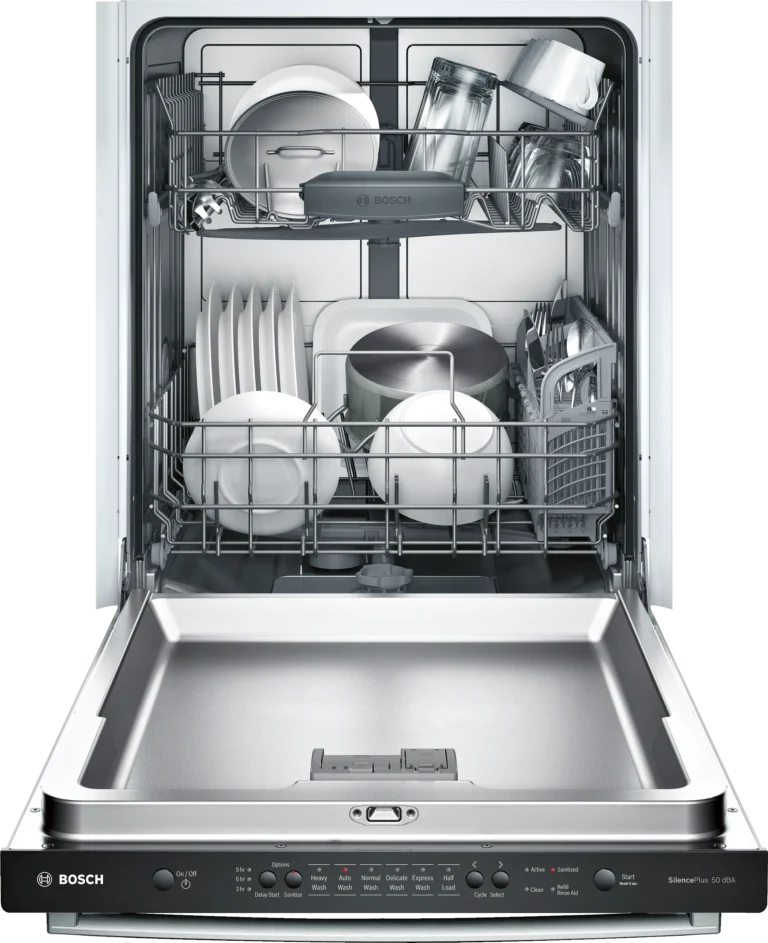
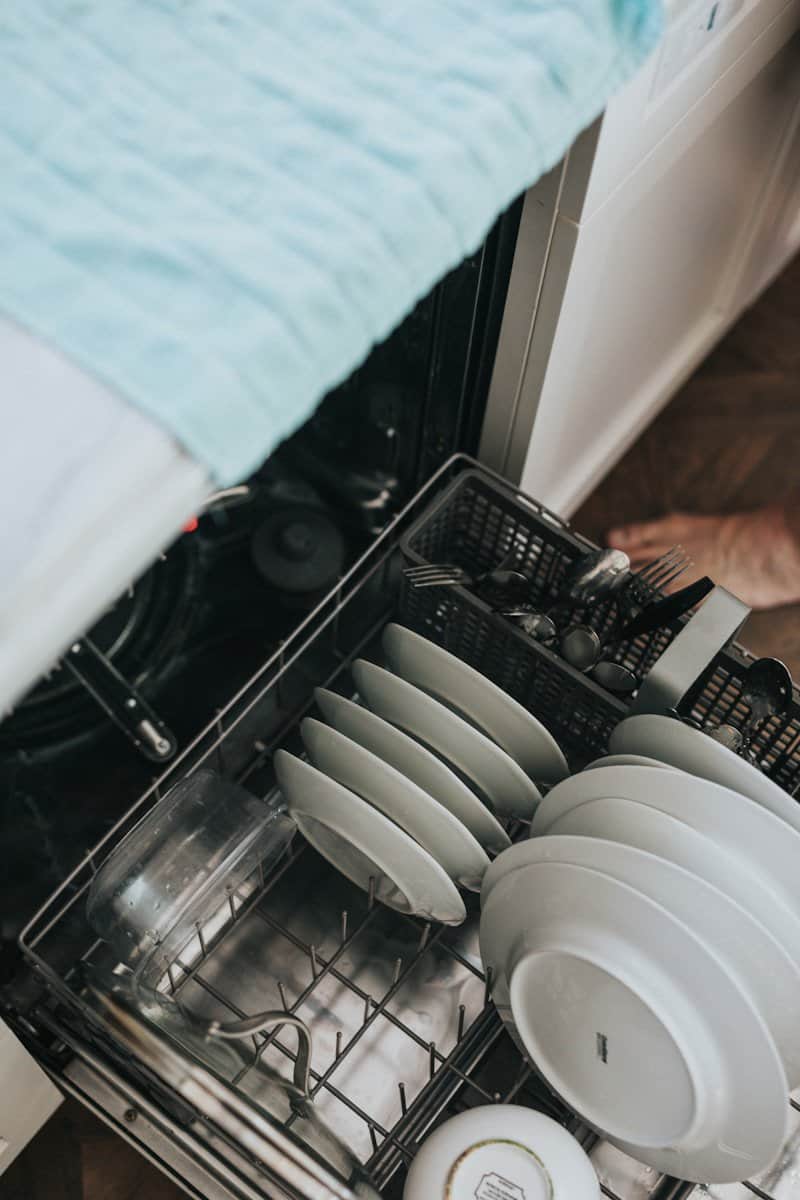
Efficient loading maximizes cleaning performance and protects dishes. Place larger items like pots and pans on the bottom rack, angled downward to allow water to drain. Load plates vertically in the slots provided, with the dirty side facing the center.
Put glasses and cups on the top rack, between the tines rather than on top of them. This prevents water from pooling and leaves more space for other items. Utensils should be placed in the designated basket with handles down for better cleaning.
Avoid overcrowding the dishwasher. Leave space between items to allow water and detergent to circulate freely. Remove large food particles before loading to prevent clogging the filter.
Cleaning Agents and Their Effects
Choosing the right detergent is crucial for clean dishes and a well-maintained dishwasher. Powdered, liquid, and tablet detergents are all effective, but tablets often contain additional rinse aids and salt for hard water areas.
Avoid using regular dish soap, as it creates excessive suds that can damage the dishwasher. Bleach should never be used in stainless steel dishwashers, as it can corrode the interior.
For cleaning the dishwasher itself, run an empty cycle with a cup of white vinegar in the top rack. This removes odors and mineral buildup. Baking soda can also be sprinkled in the bottom of the dishwasher before running an empty cycle to freshen and deodorize.
Best Practices for Hand-Washing Items
Hand-washing delicate items requires care and proper techniques. Using the right cleaning solutions can protect items while ensuring cleanliness.
Techniques for Hand-Washing Delicate Items
To hand-wash delicate items, fill a sink with lukewarm water and add a small amount of gentle detergent. Submerge the item and gently agitate it to remove dirt and food particles. Avoid scrubbing vigorously, as this can damage delicate surfaces.
For items with seasoning, like cast iron pans, use hot water without soap to preserve the coating. Scrub gently with a soft brush or sponge to remove food residue.
Rinse items thoroughly under running water to remove all soap. For glassware and measuring cups, use a lint-free cloth to dry and prevent water spots.
Alternative Cleaning Solutions
For tough stains or stuck-on food, create a paste using baking soda and water. Apply the paste to the affected area and let it sit for 15 minutes before rinsing.
White vinegar can be used as a natural disinfectant for kitchen tools and cutting boards. Mix equal parts water and vinegar in a spray bottle and apply to surfaces.
For stoneware, avoid harsh chemicals. Instead, soak in warm water and use a plastic scraper to remove food particles. Dry thoroughly to prevent moisture absorption.
To clean graters, use a brush with stiff bristles to remove food debris. Soak in hot, soapy water if needed, then rinse and dry immediately to prevent rusting.
Frequently Asked Questions
Certain materials and items should not be placed in dishwashers due to potential damage. Proper care and awareness of dishwasher-safe indicators can help protect kitchenware.
Which materials should be avoided when loading items into a dishwasher?
Wood, cast iron, and certain plastics are not suitable for dishwasher cleaning. Wood can warp and crack, while cast iron may rust. Some plastics can melt or deform under high heat.
Are there any risks associated with washing non-dishwasher safe items?
Washing non-dishwasher safe items can lead to damage or destruction. Items may warp, melt, or break. The dishwasher’s interior can also be damaged by loose parts or melted materials.
Can stainless steel utensils be damaged in a dishwasher?
High-quality stainless steel utensils are generally dishwasher safe. However, prolonged exposure to heat and harsh detergents may cause discoloration or pitting over time.
What are the indications that cookware is dishwasher safe?
Dishwasher-safe items often have a symbol on the bottom depicting plates or glasses with water droplets. Some manufacturers clearly label their products as “dishwasher safe” on the packaging or item itself.
Is it safe to wash aluminum items in a dishwasher?
Aluminum items are not recommended for dishwasher use. The harsh detergents and high heat can cause discoloration and pitting. Hand washing is preferable for aluminum cookware and utensils.
Why are some plastics deemed unsuitable for dishwasher cleaning?
Certain plastics are not dishwasher safe due to their low melting points. The high temperatures in dishwashers can cause these plastics to warp, melt, or release harmful chemicals into food.