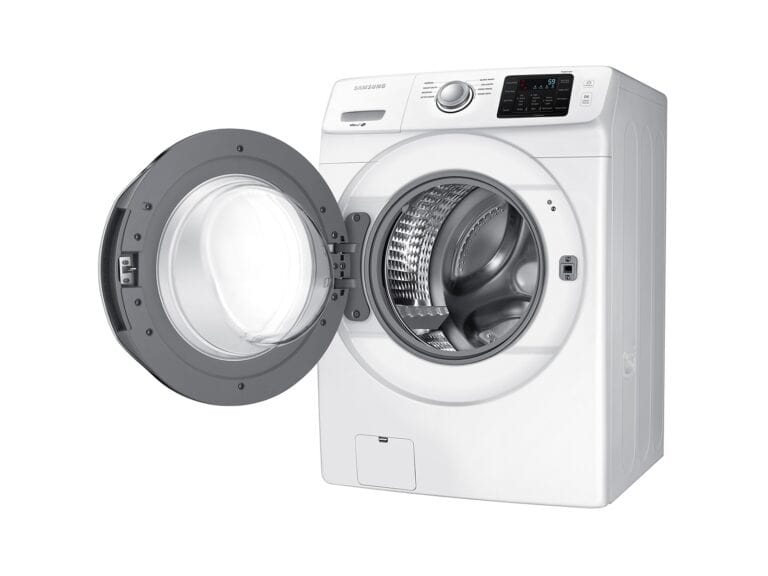
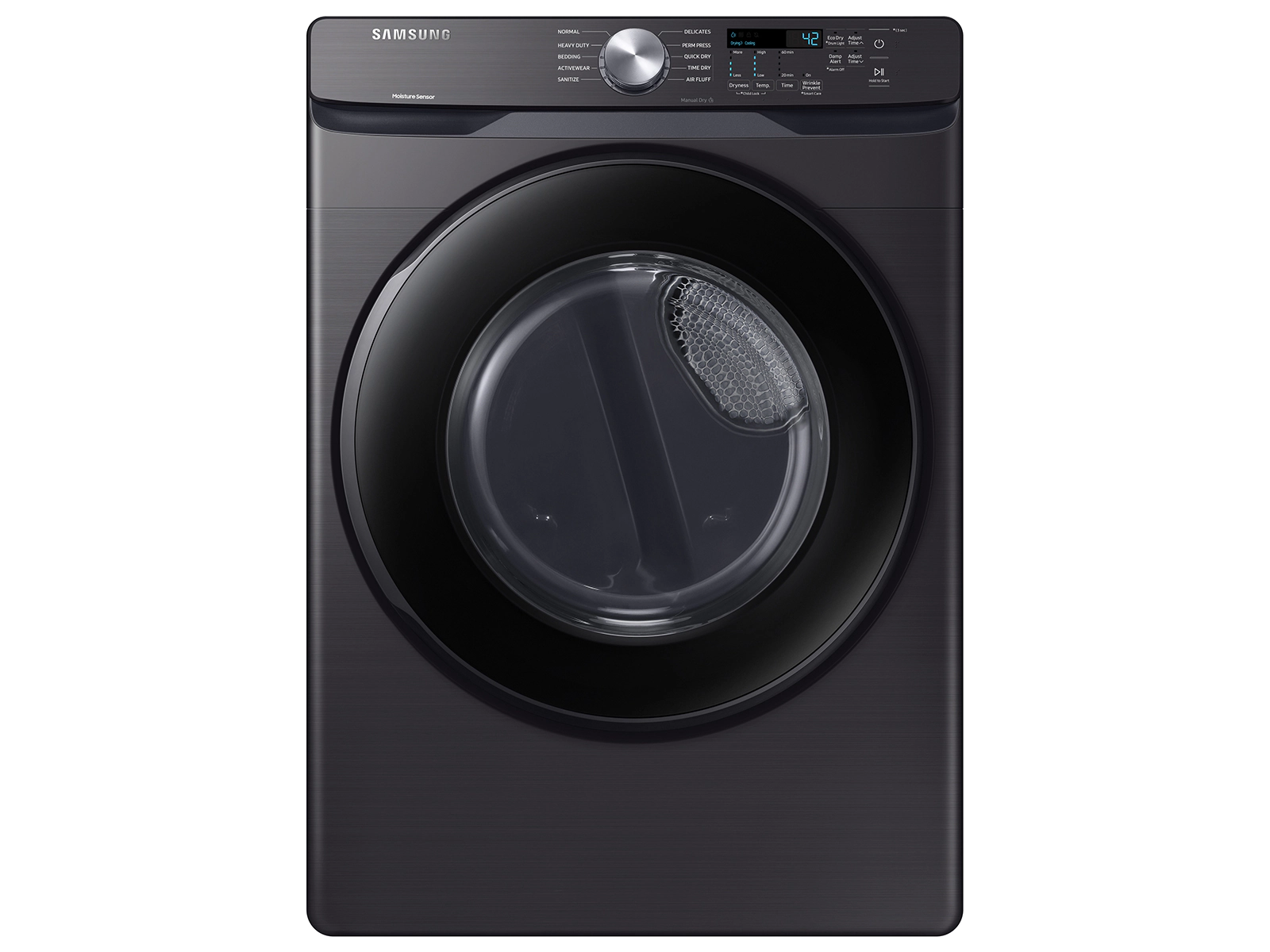
A malfunctioning dryer can disrupt laundry routines and cause frustration. Several common issues can prevent a dryer from spinning properly. The most frequent causes include a broken drive belt, faulty door switch, worn drum rollers, or motor problems.
Identifying the root cause is crucial for effective repairs. Simple fixes like checking the power connection or ensuring the door is fully closed can often resolve the issue. More complex problems may require professional assistance or replacement of specific components.
Regular maintenance and prompt attention to unusual noises or performance changes can help prevent major breakdowns. Understanding the basic mechanics of your dryer can empower you to troubleshoot minor issues and determine when expert help is needed.
Quick Diagnostics
Before diving into repairs, let’s identify the exact problem:
Symptom Checklist
What’s happening with your dryer?
- ✓ Dryer powers on but drum doesn’t spin at all
- ✓ Drum spins but stops after a few seconds
- ✓ Dryer makes humming/buzzing noise but won’t spin
- ✓ Drum spins manually when pushed but not automatically
- ✓ Dryer spins but makes loud squealing/grinding noises
- ✓ Dryer starts, then stops mid-cycle
- ✓ No power, no sound, nothing happens
Important questions:
- Does the dryer turn on? (lights, sounds, display working?)
- Does it heat? (gets warm but doesn’t spin?)
- Can you spin the drum manually? (by hand when door is open)
- Any unusual sounds? (clicking, humming, squealing, grinding)
- When did it stop? (suddenly or gradually?)
- Any recent changes? (power outage, moved dryer, overloaded?)
Quick Tests (30 seconds)
Test 1: Power Check
- Is dryer plugged in completely?
- Check circuit breaker – has it tripped?
- Try another appliance in same outlet
Test 2: Door Latch Check
- Close door firmly – does it click?
- Open and close door several times
- Look for broken door latch or switch
Test 3: Manual Spin Test
- Open door
- Spin drum by hand
- Should rotate smoothly with slight resistance
- If very hard to turn or won’t turn: mechanical problem
- If spins too easily (no resistance): belt likely broken
Test 4: Sound Check
- Start dryer and listen carefully
- Humming = motor runs but drum won’t turn (belt issue)
- Clicking = potential motor or switch issue
- Nothing = electrical/power issue
- Grinding/squealing = bearing or roller problem
Common Causes Overview
Here are the most common reasons dryers stop spinning, listed from most to least common:
| Cause | Likelihood | DIY Difficulty | Est. Repair Cost |
|---|---|---|---|
| Broken Drive Belt | 40% | Easy | $10-20 (DIY) / $150-250 (Pro) |
| Faulty Door Latch/Switch | 15% | Easy | $15-30 (DIY) / $100-150 (Pro) |
| Blown Thermal Fuse | 10% | Easy | $10-20 (DIY) / $100-200 (Pro) |
| Bad Drum Rollers | 10% | Moderate | $20-50 (DIY) / $150-300 (Pro) |
| Worn Motor | 10% | Hard | $100-200 (DIY) / $300-500 (Pro) |
| Broken Idler Pulley | 8% | Easy-Moderate | $15-30 (DIY) / $150-250 (Pro) |
| Seized Drum Bearing | 5% | Hard | $30-80 (DIY) / $250-400 (Pro) |
| Bad Start Switch | 2% | Easy | $20-40 (DIY) / $100-150 (Pro) |
Safety Precautions
⚠️ BEFORE YOU START – READ THIS:
Essential Safety Steps
1. Disconnect Power
- Unplug dryer from wall outlet (electric)
- Turn off gas supply valve (gas dryers)
- Turn off circuit breaker for extra safety
- Never work on a plugged-in dryer
2. Let It Cool
- Wait 30+ minutes after last use
- Heating elements stay hot
- Internal components can burn you
3. Gather Safety Equipment
- Work gloves
- Safety glasses
- Flashlight or headlamp
- Fire extinguisher nearby (for gas dryers)
4. Workspace Preparation
- Clear area around dryer
- Have towels ready (for leveling)
- Ensure good lighting
- Keep phone nearby for emergencies
5. Gas Dryer Warning
- If you smell gas, stop immediately
- Evacuate home
- Call gas company from outside
- Don’t turn lights on/off or use phone inside
6. Know Your Limits
- If uncomfortable at any point, call a professional
- Gas line work requires licensed technician
- Electrical work may require electrician
- Some warranty repairs must be done by manufacturer
Simple Fixes (DIY-Friendly)
These solutions require minimal tools and technical knowledge.
Fix #1: Broken Drive Belt (Most Common)
How to diagnose:
- Drum spins too easily by hand (little resistance)
- Motor runs but drum doesn’t turn
- May have heard a snapping sound before it stopped
Difficulty: Easy
Time: 30-60 minutes
Cost: $10-20
Tools needed:
- Screwdriver (flathead and Phillips)
- Putty knife (for front panel)
- Replacement belt (specific to your dryer model)
Find your model number:
- Look inside door frame
- Or on back/side panel
- Format usually: Brand + Model (e.g., “Whirlpool WED4815EW1”)
- Order belt online using this model number
Step-by-step repair:
Step 1: Access the drum
For front-loading dryers:
- Unplug dryer
- Remove lint filter
- Remove 2 screws holding lint filter housing (usually Phillips)
- Use putty knife to release front panel clips at bottom corners
- Lift and pull front panel forward
- Disconnect door switch wire (note wire position!)
- Set panel aside carefully
For top-loading dryers:
- Unplug dryer
- Remove lint filter
- Remove screws along top edge of front panel
- Lift top panel (it may hinge at back)
- Prop open safely
Step 2: Inspect the belt
- Look for belt around drum
- Check if it’s broken, frayed, or missing
- Examine for cracks or brittleness
Step 3: Remove old belt (if present)
- Release tension by pushing idler pulley
- Slide belt off drum, motor shaft, and idler pulley
- Note the belt routing pattern (take a photo!)
Step 4: Install new belt
Belt routing is critical – follow this pattern:
Motor Shaft → Under Idler Pulley → Around Drum (ribbed side in)
- Loop belt around drum (ribbed side against drum)
- Reach behind drum to bottom
- Loop belt under idler pulley
- Thread belt onto motor shaft
- Rotate drum to seat belt properly
- Ensure belt sits in center of drum (not off to side)
Common routing pattern:
- Belt wraps 2/3 around bottom of drum
- Goes under spring-loaded idler pulley (creates tension)
- Ends at motor shaft pulley
Step 5: Test before reassembly
- Plug in dryer (leave panel off)
- Keep hands clear of moving parts
- Start dryer briefly (5 seconds)
- Watch belt movement – should track smoothly
- Unplug immediately
Step 6: Reassemble
- Reconnect door switch wire
- Align front panel clips
- Push firmly until clips engage
- Replace screws
- Replace lint filter
Video references help tremendously – search YouTube: “[Your dryer model] belt replacement”
Fix #2: Faulty Door Latch or Switch
How to diagnose:
- Dryer won’t start when door is closed
- Dryer starts with door slightly open (dangerous!)
- Door doesn’t click shut
- Door light stays on when closed
Difficulty: Very Easy
Time: 10-20 minutes
Cost: $15-30
What it does:
- Door switch tells dryer “door is closed, safe to run”
- If switch is broken, dryer thinks door is open
- Won’t spin for safety reasons
Testing the door switch:
Test 1: Visual inspection
- Open door
- Look at door latch striker (on door)
- Look at catch mechanism (on dryer frame)
- Check for:
- Broken plastic pieces
- Bent striker
- Misaligned latch
- Worn catch
Test 2: Bypass test (advanced users only)
- Unplug dryer
- Remove front panel to access switch
- Disconnect switch wires
- Touch the two wires together (creating closed circuit)
- Plug in dryer and test
- If dryer spins now: switch is bad
- Unplug immediately and replace switch
⚠️ Warning: Only do bypass test briefly – never run dryer with door open!
Replacing door switch:
- Order replacement switch (use model number)
- Access the switch:
- Usually inside front panel
- Or behind lint filter housing
- May be visible when door is open
- Disconnect wires:
- Take photo of wire connections
- Pull off wire connectors (usually snap-on)
- Remove old switch:
- Usually 1-2 screws or push tabs
- May twist and pull out
- Install new switch:
- Insert and secure with screws/tabs
- Reconnect wires matching photo
- Test door click – should be firm and audible
- Test:
- Plug in dryer
- Close door
- Start dryer
- Should start spinning immediately
Fix #3: Blown Thermal Fuse
How to diagnose:
- Dryer has no power at all (most common)
- Or dryer powers on but won’t heat or spin (some models)
- Often caused by restricted airflow (clogged vent)
Difficulty: Easy
Time: 20-30 minutes
Cost: $10-20
What it does:
- Safety device that blows (opens circuit) if dryer overheats
- Usually located on blower housing or heating element
- Once blown, must be replaced (can’t be reset)
Why it blows:
- Clogged dryer vent (most common)
- Clogged lint filter
- Blocked blower wheel
- Restricted airflow
- Operating thermostat failure
Finding the thermal fuse:
Common locations:
- On the blower housing (most common)
- Near heating element
- On exhaust duct inside dryer
- Look for small cylinder, about 1-2″ long
Testing thermal fuse:
You’ll need: Multimeter ($15-20 at hardware store)
- Unplug dryer
- Locate thermal fuse
- Disconnect wires from fuse
- Set multimeter to Ohms (Ω) or continuity
- Touch probes to fuse terminals
Results:
- 0-1 ohms or beep = Good (fuse is intact)
- OL or infinity = Blown (needs replacement)
Key Takeaways
- Common causes include broken belts, faulty switches, and worn components
- Simple checks and maintenance can prevent many spinning issues
- Professional repair may be necessary for complex motor or electrical problems
Identifying Common Culprits
Several issues can cause a dryer to stop spinning. These problems often involve the drive belt, drum rollers, bearings, motor, or idler pulley.
Drive Belt Issues
The drive belt is a crucial component that wraps around the dryer drum and connects to the motor. When it breaks or becomes loose, the drum won’t spin. Signs of a faulty drive belt include a loud thumping noise or visible wear and tear.
To check the belt:
- Unplug the dryer
- Remove the top or front panel
- Inspect the belt for cracks, fraying, or stretching
If the belt is damaged, replace it promptly. A new belt typically costs $10-$30 and can often be installed without professional help.
Drum Rollers and Bearings
Drum rollers support the weight of the dryer drum as it spins. Over time, these rollers can wear out or become damaged. Worn rollers may cause squeaking noises or prevent the drum from turning smoothly.
To inspect drum rollers:
- Remove the dryer’s front panel
- Locate the rollers at the bottom of the drum
- Check for flat spots or excessive play
Bearings also help the drum rotate. When they fail, you might hear grinding noises. Replacing worn rollers or bearings can restore proper drum rotation.
Motor and Idler Pulley
The dryer motor powers the drum’s spinning motion. A faulty motor can prevent the drum from turning at all. Signs of motor problems include humming noises without drum movement or complete silence when the dryer is turned on.
The idler pulley maintains proper tension on the drive belt. If it breaks or seizes, the belt may slip off, stopping drum rotation. To check the idler pulley:
- Locate it near the motor
- Ensure it moves freely
- Replace if damaged or stuck
Motor or idler pulley issues often require professional repair due to their complexity.
Electrical Malfunctions
Electrical issues often cause dryers to stop spinning. These problems can range from simple switch malfunctions to more complex circuit failures.
Door and Control Switches
Door switches play a crucial role in dryer operation. A faulty door switch prevents the dryer from starting. This safety feature ensures the dryer doesn’t run with an open door.
To check the door switch:
- Unplug the dryer
- Locate the switch near the door frame
- Test it with a multimeter for continuity
Control switches also impact spinning. A broken control lock may keep the dryer from starting. Many modern dryers have electronic control panels. These can malfunction due to power surges or wear.
Circuit and Thermal Issues
Circuit breakers protect dryers from electrical overloads. A tripped breaker cuts power to the appliance. Check your home’s electrical panel if the dryer won’t turn on. Reset any tripped breakers.
Thermal fuses act as safety devices. They prevent overheating by shutting off the dryer. A blown thermal fuse needs replacement. It’s usually located near the heating element.
Faulty cycling thermostats can cause spinning problems. These regulate temperature during drying cycles. When they fail, the dryer may not complete its cycle properly.
Power cords can wear out or become damaged. Inspect the cord for any visible signs of wear. Replace it if you notice fraying or exposed wires.
Handling Appliance Repairs
Addressing dryer issues requires a balance between professional expertise and DIY solutions. Proper handling of appliance repairs can save time, money, and prevent further damage.
Professional Repair Services
Professional repair services offer expertise and peace of mind for complex dryer issues. Certified technicians have the tools and knowledge to diagnose and fix problems quickly. They can handle intricate repairs like motor replacements or electrical system malfunctions.
Many repair companies offer warranties on their work. This protection covers future issues related to the repair. Scheduling is often flexible, with same-day or next-day appointments available.
Professional repairs may cost more upfront but can save money long-term. Technicians can spot potential problems early, preventing costly breakdowns. They also ensure safety by following proper repair protocols.
DIY Troubleshooting
Simple dryer repairs can often be tackled at home. Basic tools and online guides can help diagnose common issues. Start by checking the power supply and ensuring the door is fully closed.
Cleaning the lint filter and exhaust vent can resolve spinning problems. A clogged vent restricts airflow, potentially causing the dryer to stop. Regular maintenance can prevent many issues.
Inspecting the drive belt is another DIY task. A broken belt is a common cause of spinning failures. Replacement belts are affordable and can be installed with basic tools.
Listen for unusual noises. A thumping sound may indicate worn drum rollers. Squealing could mean the idler pulley needs lubrication. These repairs require more skill but are still possible for handy homeowners.
Frequently Asked Questions
Dryer spinning issues can stem from various causes, ranging from simple fixes to more complex repairs. Understanding these common problems can help troubleshoot and resolve issues efficiently.
What causes a Whirlpool dryer drum to cease spinning?
A Whirlpool dryer drum may stop spinning due to a broken drive belt, worn drum rollers, or a faulty motor. The drive belt connects the motor to the drum, and if it snaps, the drum won’t turn. Drum rollers support the drum’s weight and rotation, and when they wear out, the drum may struggle to spin.
How can one troubleshoot a dryer that is heating but not spinning?
First, check if the door switch is functioning correctly. A faulty switch can prevent the drum from spinning. Next, inspect the drive belt for signs of wear or breakage. If the belt is intact, examine the motor and idler pulley for proper operation.
What steps should be taken if a dryer’s drum becomes difficult to turn manually?
Start by unplugging the dryer and removing the front panel. Check for obstructions like small clothing items that might have fallen into the cabinet. Inspect the drum support rollers and axles for wear or damage. Lubricate or replace these parts if necessary.
What are common reasons for a dryer to stop spinning intermittently?
Intermittent spinning issues often result from a worn drive belt that slips occasionally. A failing motor or start capacitor can also cause sporadic spinning problems. Loose wiring connections to the motor or control board may lead to inconsistent operation.
What should be checked if a dryer is not spinning and the belt is intact?
Examine the idler pulley for smooth rotation and proper tension on the belt. Verify that the drum rollers are not seized or excessively worn. Test the door switch and motor for continuity using a multimeter. Inspect the control board for signs of damage or burning.
What are typical repair costs for a non-spinning dryer?
Repair costs vary depending on the issue and the dryer model. Replacing a drive belt typically costs $100-$200. Drum roller replacement ranges from $100-$300. Motor repairs or replacements can run $200-$400. Labor charges often make up a significant portion of these costs.