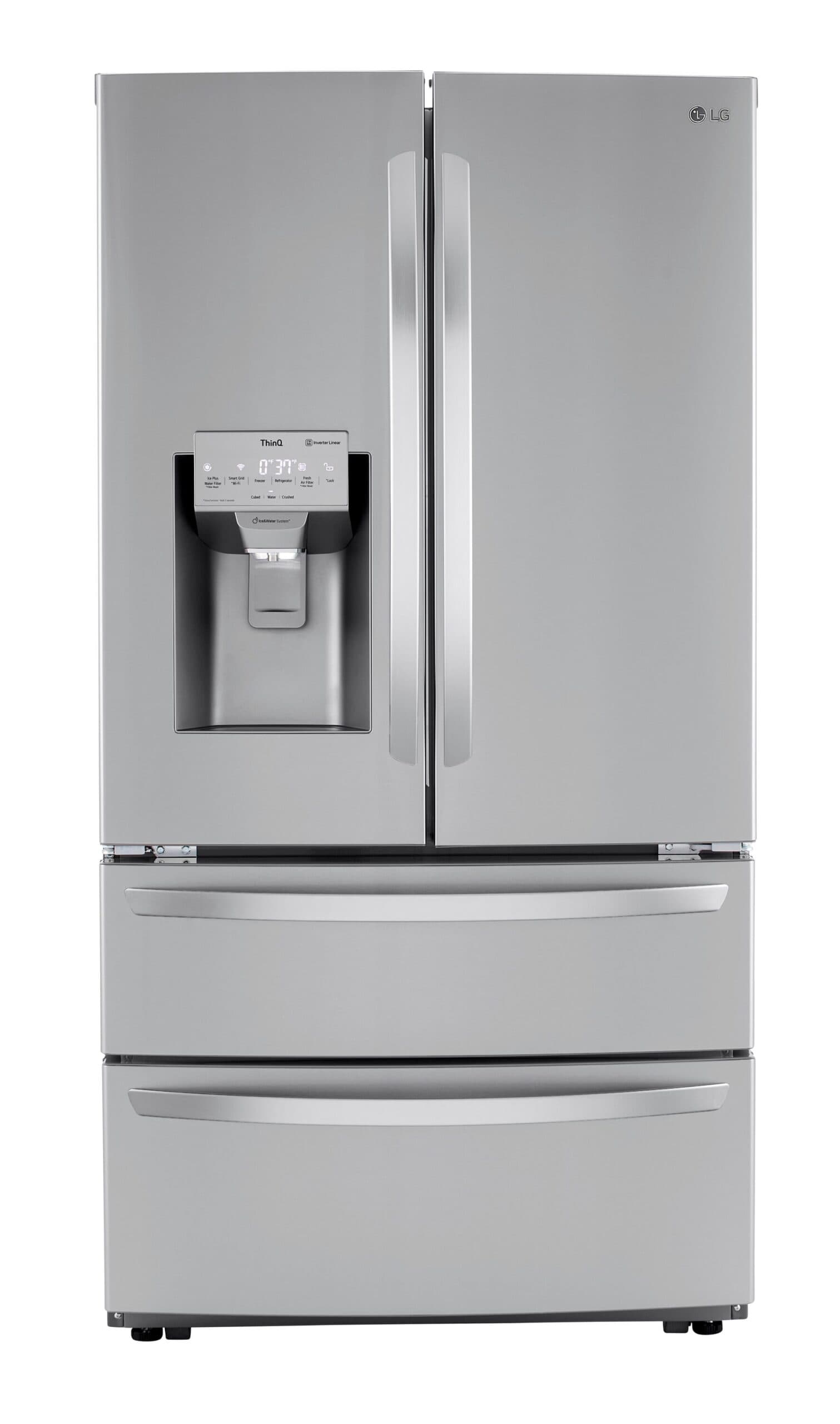
Is your refrigerator water dispenser not flowing properly or producing odd-tasting water? It might be time to clean your water line. Over time, mineral deposits, bacteria, and mold can build up in refrigerator water lines, affecting both the taste of your water and the efficiency of your dispenser. Cleaning your refrigerator water line with vinegar is a simple DIY process that can improve water quality and extend the life of your refrigerator’s water system.
Many homeowners don’t realize they need to clean their refrigerator water lines until problems arise. Regular maintenance prevents buildup that can lead to clogs or contamination. The process involves disconnecting the water supply, flushing the line with vinegar, cleaning the dispenser components, and reassembling everything properly.
How to Clean a Refrigerator Water Line
Cleaning a refrigerator water line helps improve water taste and prevents buildup of mold or bacteria. Start by unplugging the fridge and turning off the water supply. Disconnect the water line and flush it with a mixture of warm water and white vinegar to break down mineral deposits. Let the solution sit for several minutes, then rinse thoroughly with clean water. Reconnect the line, turn the water back on, and run a few glasses of water through the dispenser before use. Regular cleaning every 6 to 12 months keeps your water fresh and your appliance running efficiently.
Key Takeaways
- Disconnecting the refrigerator and using white vinegar provides a safe, effective way to remove mineral deposits and bacteria from water lines.
- Regular maintenance of water lines and timely filter replacement prevents buildup and ensures clean, great-tasting water.
- Thorough cleaning of both the water dispenser and ice maker components eliminates mold and prevents contamination.
Preparation and Safety
Before tackling any refrigerator water line cleaning, proper preparation ensures both safety and success. Having the right tools and understanding your refrigerator’s system will make the process straightforward and trouble-free.
Gathering Necessary Supplies
To clean your refrigerator water line effectively, you’ll need several basic supplies:
- White distilled vinegar – An effective, food-safe cleaning agent
- Bucket or large bowl – For catching water during disconnection
- Clean cloth or towels – For wiping spills and drying components
- Wrench or pliers – To disconnect water line fittings
- Soft-bristled brush or old toothbrush – For cleaning water dispenser parts
- Fresh replacement water filter (if applicable)
- Measuring cup – To track how much water you flush through the system
Having these items ready before starting will prevent interruptions and make the cleaning process more efficient.
Identifying the Water Line Components
Understanding your refrigerator’s water system is crucial before beginning any cleaning process.
Most refrigerators have these key water line components:
- External water supply line – Connects from wall to refrigerator
- Water inlet valve – Usually located at the back of the refrigerator
- Internal water lines – Tubes that carry water to the dispenser and ice maker
- Water filter – Located either in the grille at the bottom or inside the refrigerator
- Water dispenser – The visible part where water comes out
Take a moment to locate these parts on your specific refrigerator model. If needed, consult your owner’s manual to identify the water line components correctly.
Safe Unplugging and Shutting Off Water Supply
Safety should always be your first priority when working with electrical appliances and water systems.
First, unplug your refrigerator from the electrical outlet. This prevents any electrical hazards while working with water lines. If you can’t easily reach the plug, turn off the appropriate circuit breaker.
Next, shut off the water supply to your refrigerator. This is typically done by turning the water shut-off valve located either behind the refrigerator or under the sink. Turn the valve clockwise until it stops.
Place towels or a bucket beneath the connection points to catch any water that may spill when disconnecting lines. Allow 5-10 minutes after turning off the water before disconnecting any lines to let pressure dissipate.
Remember to keep track of how components connect so reassembly will be easier when you’re finished cleaning.
Initial Cleaning Steps
Cleaning a refrigerator water line requires careful preparation before the actual cleaning begins. The process involves several precise steps to ensure safety and effectiveness when dealing with your appliance’s water system.
Disconnecting Water Lines
To start cleaning the refrigerator water line, the water supply must be turned off. Locate the water shut-off valve, usually found behind the refrigerator or under the sink, and turn it clockwise to close it. This prevents water from flowing during the cleaning process.
Next, disconnect the water line from the back of the refrigerator. This often requires loosening the compression fitting using a small wrench. Some models may have quick-connect fittings that can be released by pressing a collar while pulling the tube.
Place a towel under the connection point before disconnecting to catch any water that may spill out. Once loose, carefully pull the water line away from the refrigerator connection. Some water might drip, which is normal.
Draining the Reservoir
After disconnecting, it’s important to drain any remaining water from the system. Place a bucket under the water dispenser and press the dispenser lever until water stops flowing completely. This empties the internal reservoir.
For refrigerators with ice makers, remove any ice from the bin and discard it. The ice maker should be turned off during the cleaning process either through the refrigerator controls or by lifting the ice maker arm if it has one.
Some refrigerators have a dedicated drain plug for the water reservoir. Check your appliance manual to locate this feature if available. If present, remove the plug over a container to catch the remaining water.
Inspecting for Obvious Blockages
Before proceeding with deep cleaning, examine the water line for visible blockages or build-up. Hold the disconnected tube up to a light source to check for sediment, mineral deposits, or mold growth inside.
Check for any kinks, bends, or physical damage to the water line that might restrict water flow. Straighten any bent sections carefully without creating new kinks.
Inspect connection points for mineral deposits, which appear as white or greenish crusty buildup. These areas often need special attention during cleaning. Also check the water filter housing area for any visible debris that might have accumulated.
Look at the water inlet valve on the refrigerator for signs of blockage or damage. This small component can sometimes become clogged with minerals and affect water flow throughout the system.
Deep Cleaning the Water Line
A thorough cleaning of your refrigerator’s water line removes mineral buildup, prevents contamination, and improves water taste. This process requires simple household items and about an hour of your time.
Mixing the Cleaning Solution
The most effective cleaning solution for refrigerator water lines is a mixture of distilled white vinegar and water. Use a 50/50 ratio for standard cleaning or a stronger solution of 70% vinegar for heavily soiled lines.
Required materials:
- 16 ounces of distilled white vinegar
- Clean water
- Mixing container
- Funnel
- Small bucket
- Clean cloths
Pour the vinegar into your container first, then add the appropriate amount of water. The solution should be at room temperature for best results. Avoid using bleach or harsh chemicals as they can damage components and leave harmful residues.
For stubborn buildup, you can use food-grade citric acid (1 tablespoon per quart of water) as an alternative to vinegar.
Flushing the Lines with Vinegar Solution
Before beginning, turn off the water supply to the refrigerator. Disconnect the water line from the back of the unit, typically requiring a wrench to loosen the connection.
Place the disconnected end into a bucket to catch the solution. Using your funnel, carefully pour the vinegar solution into the water line. Some models may require you to remove the water filter first.
Allow the vinegar solution to sit in the lines for 5-10 minutes. For heavily soiled lines, extend this time to 15-20 minutes.
Run the water dispenser until you see the vinegar solution coming through. This confirms the solution has reached all parts of the line. The process may need to be repeated 2-3 times for very dirty systems.
Soaking Components in the Solution
Remove any detachable components like spouts, nozzles, and dispenser trays. These parts often harbor the most buildup and bacteria.
Fill a container with your vinegar solution and submerge these components fully. Let them soak for at least 15 minutes, or up to 30 minutes for heavily soiled parts.
For visible mineral deposits, use an old toothbrush to gently scrub the components while they’re in the solution. Pay special attention to:
- Water dispenser nozzle
- Ice chute
- Connector points
- Filter housing (exterior only)
After soaking, rinse each component thoroughly with clean water. Inspect for any remaining buildup and repeat if necessary.
Rinse Cycle and Final Flushing
After the cleaning process, it’s crucial to flush all vinegar from the system. Reconnect the water line to the refrigerator and turn the water supply back on.
Run the water dispenser continuously for 3-5 minutes. This ensures all cleaning solution is removed from the lines. Discard the first few glasses of water from the dispenser.
Replace the water filter with a new one if it’s been more than six months since the last change. A fresh filter improves water quality and protects your clean system.
Test the water by filling a clear glass and examining it for clarity. The water should be free from particles and odorless. If any vinegar taste remains, continue flushing until the water tastes normal.
Perform this deep cleaning procedure every 3-6 months to maintain optimal water quality and system performance.
Cleaning the Dispenser and Ice Maker Line
Regular maintenance of your refrigerator’s water and ice systems prevents buildup of minerals, mold, and bacteria. A thorough cleaning improves taste, extends equipment life, and ensures safe drinking water.
Scrubbing the Dispenser Exterior
The external dispenser area collects fingerprints, spills, and mineral deposits that can harbor bacteria. To clean this area, unplug the refrigerator first for safety.
Mix a solution of warm water and mild dish soap. For stubborn mineral deposits, use equal parts water and white vinegar instead. This natural solution effectively dissolves calcium buildup without harsh chemicals.
Apply the cleaning solution to a microfiber cloth—never spray directly onto the dispenser panel. Wipe all surfaces including buttons, levers, and the catch tray.
For tight spaces around dispensers, use a clean toothbrush dipped in the cleaning solution. Pay special attention to the area where the water comes out, as this spot often develops mineral deposits.
Finish by wiping everything with a clean damp cloth to remove any soap residue, then dry thoroughly with a fresh towel.
Handling the Ice Maker Line
The ice maker line requires regular cleaning to prevent clogs and contamination. Begin by disconnecting the water line from the back of your refrigerator.
Place the end of the water line in a bucket to catch any drips. For thorough cleaning, create a solution of:
- 1 cup white vinegar
- 1 gallon of warm water
Using a funnel, carefully pour some of this solution into the disconnected water line. Let it sit for 5-10 minutes to dissolve any buildup inside the tubing.
For stubborn blockages, you may need to flush several gallons of the vinegar solution through the system. This can be done by placing the water line in a bucket of the solution and using a small pump.
Reconnect the line once cleaned and run water through to flush out all vinegar.
Rinsing the Dispenser Reservoir
The internal water reservoir collects sediment over time and needs periodic cleaning. First, locate the reservoir—usually found inside the refrigerator near the water filter.
If your model allows reservoir removal, take it out carefully. Wash it with warm, soapy water, paying attention to corners where bacteria may grow. Rinse thoroughly to remove all soap.
For non-removable reservoirs, flush the system by running a vinegar solution through the water line. Mix one part vinegar to three parts water and dispense through the system.
After the vinegar cleaning, it’s crucial to flush with at least 2-3 gallons of clean water. Dispense water in batches until all traces of vinegar taste and smell are gone.
Wipe down any accessible parts of the reservoir with a clean towel. Replace the water filter if it’s been more than six months since the last change.
Reassembling and Testing the Refrigerator Water Line
After thoroughly cleaning your refrigerator water lines, proper reassembly and testing are crucial to ensure everything works correctly. The following steps will help you reconnect components, restore services, and verify your system is functioning without leaks.
Reconnecting Lines and Components
Begin by making sure all parts are completely dry before reconnecting them. Position the water filter properly in its housing, ensuring it clicks into place. If you’re installing a new filter, remove any protective caps first.
For tubing connections, push the water line firmly into the quick-connect fittings until you feel resistance. A proper connection usually requires about ½ inch insertion depth.
When reconnecting the water line to the back of the refrigerator, use a wrench to tighten any compression fittings, but be careful not to overtighten as this can damage the threads or crack plastic components.
For screw connections, use an appropriate screwdriver to secure panels or brackets that were removed during cleaning. Make sure all fasteners are snug but not forced.
Label connections with tape if you’re concerned about forgetting their correct positions during future maintenance.
Restoring Power and Water Supply
Before restoring services, double-check that all connections are secure. Turn the water supply valve slowly to the “on” position. A quarter turn at a time allows for gradual pressure increase.
Plug the refrigerator back into the electrical outlet. Some models may require you to press a reset button on the control panel after a power disconnection.
If your refrigerator has a water line lockout feature, disable it using the control panel. This feature is often activated by pressing a combination of buttons (check your owner’s manual for specific instructions).
Allow the system to run for a few minutes before attempting to dispense water. This gives time for the lines to fill completely and for air to be pushed out of the system.
Checking for Leaks and Water Flow
Inspect all connection points for water leaks. Pay special attention to the inlet valve, filter housing, and any quick-connect fittings. Even small drips can cause damage over time.
Place paper towels below connections and check after 30 minutes to spot slow leaks that might not be immediately visible.
Test the water flow by dispensing several cups of water. The stream should be steady and consistent. If flow is weak, check for kinks in the line or air trapped in the system.
Measure water pressure by timing how long it takes to fill a cup. Most refrigerators should fill an 8-ounce cup in 6-10 seconds. Significantly longer times may indicate a restriction in the freshly cleaned lines.
Discard the first 1-2 gallons of water after cleaning to ensure any remaining cleaning solution is flushed out before consumption.
Maintaining Water Line and Filter Health
Keeping your refrigerator’s water line and filtration system clean ensures safe drinking water and prevents buildup that can affect taste and flow. Regular maintenance extends the life of your system and helps avoid costly repairs.
Regular Maintenance Procedures
Regular cleaning of your refrigerator water line prevents mineral buildup and bacteria growth. Every 3-6 months, flush the water line with a vinegar solution to remove accumulated debris.
To clean the water line:
- Turn off the water supply to your refrigerator
- Disconnect the water line from the back of your fridge
- Place the water line in a bucket of vinegar and run several gallons through the system
- Rinse thoroughly with clean water before reconnecting
Don’t forget to clean the dispenser nozzle too. Use a clean toothbrush dipped in vinegar to scrub away visible buildup around the water outlet.
Inspect connections regularly for leaks or wear. Replace any cracked or damaged tubing immediately to prevent water damage.
Filter Replacement and Care
Water filters need regular replacement to maintain water quality. Most refrigerator manufacturers recommend changing filters every 6 months or after filtering about 200-300 gallons of water.
Signs your filter needs replacement:
- Slow water flow
- Strange taste or odor in water
- Water that appears cloudy
- Filter indicator light (if your model has one)
When installing a new filter, always follow the manufacturer’s instructions. Most systems require flushing 1-2 gallons of water after installation to remove carbon particles.
Keep track of replacement dates by marking your calendar or setting a phone reminder. Using an expired filter can be worse than no filter at all as it may harbor bacteria and contaminants.
Addressing Hard Water Concerns
Hard water contains high mineral content (especially calcium and magnesium) that can damage refrigerator water lines over time. White residue around fixtures indicates hard water problems.
Solutions for hard water issues:
- Install a whole-home water softener
- Use distilled vinegar for more frequent cleaning (every 2-3 months)
- Consider adding an inline water filter before the refrigerator connection
For severe mineral buildup, disconnect the water line and use a cleaning kit with proper tools like a funnel, bucket, and clamps. This deeper cleaning helps remove stubborn deposits.
In areas with extremely hard water, more frequent maintenance is necessary. Check manufacturer recommendations for your specific refrigerator model.
Troubleshooting Tips
Even with regular cleaning, refrigerator water lines can develop issues that affect water quality and flow. These problems usually have straightforward solutions that homeowners can handle without professional help.
Dealing with Persistent Contaminants
If contaminants persist after cleaning, a more intensive approach may be necessary. Check the water filter first—it might be completely clogged or past its replacement date.
For stubborn mold or mildew, create a stronger cleaning solution:
- Mix 1 part bleach with 10 parts water
- Disconnect the water line completely
- Soak the line in this solution for 15-30 minutes
- Rinse thoroughly with clean water
Bacterial growth can be particularly persistent. If regular cleaning doesn’t eliminate contaminants, consider replacing the water line entirely. Most refrigerator water lines are inexpensive and relatively easy to replace.
Prevention is key for long-term success. Install an additional external water filter system before the line enters your refrigerator to reduce future contamination.
Resolving Strange Taste or Odors
Unusual tastes or odors in your refrigerator water often indicate bacterial growth or chemical residues. First, try flushing the system with vinegar as described in the cleaning process.
If the taste problem persists:
- Replace the refrigerator water filter
- Clean the water reservoir and dispenser area
- Check the incoming water supply for issues
For plastic-like tastes (common in new installations), run several gallons of water through the system to flush out manufacturing residues. This may take multiple attempts over several days.
Mineral buildup can create a metallic taste. In this case, flush the line with vinegar and let it sit for 30 minutes before rinsing thoroughly.
Remember that some refrigerator models have multiple water reservoirs. Consult your user manual to ensure you’re cleaning all water-holding components.
Managing Low Water Pressure Issues
Low water pressure from your refrigerator dispenser often indicates a clog somewhere in the system. Start by checking for kinks in the water line behind the refrigerator.
Next, examine these common pressure problem areas:
- Water filter: A clogged filter is the most common cause of pressure issues
- Supply line valve: Ensure it’s fully open
- Line connections: Check for leaks or partial disconnections
If the water line appears clogged with debris, disconnect it and blow compressed air through in the opposite direction of normal water flow.
For stubborn clogs, you may need to remove the refrigerator’s back panel to access additional sections of the water line. Some models have internal filters or flow restrictors that can become blocked.
Check your home’s water pressure as well. If the overall pressure is low, the refrigerator water dispenser will also suffer.
Frequently Asked Questions
Refrigerator water line cleaning involves several techniques depending on your specific model and situation. These common questions address the most effective cleaning methods for different refrigerator brands and scenarios.
What is the best method for cleaning a Whirlpool refrigerator water line?
For Whirlpool refrigerators, the most effective cleaning method starts with shutting off the water supply to the refrigerator. Next, disconnect the water line from the back of the unit.
Create a solution of equal parts white vinegar and warm water. Connect a funnel to the water line and pour this solution through to flush out any buildup.
Allow the solution to sit for 10-15 minutes before flushing the line with clean water. Reconnect everything and run several glasses of water through the dispenser to clear any remaining vinegar.
Can you clean a refrigerator water line without disconnecting it?
Yes, it’s possible to clean a refrigerator water line without disconnecting it completely. One method involves using the existing water dispenser system.
First, shut off the refrigerator’s water supply. Then, locate where the water line connects to your refrigerator and disconnect it at that point only.
Pour vinegar into the line using a funnel. Have someone press the water dispenser while you hold the disconnected end over a bucket. This pushes the vinegar through the system, cleaning as it goes.
Which cleaning solutions are effective for sanitizing a Frigidaire fridge water dispenser?
White vinegar is the most effective and safe solution for sanitizing a Frigidaire refrigerator water dispenser. Its natural acidity helps remove mineral deposits and kill bacteria.
For stubborn buildups, a solution of 1 part hydrogen peroxide to 3 parts water can be used as an alternative. This helps sanitize the system thoroughly.
Avoid using bleach or harsh chemicals as they may damage the plastic components and leave harmful residues.
How can you remove mold from a refrigerator’s water dispenser effectively?
To remove mold from a water dispenser, first shut off the water supply. Remove any detachable parts from the dispenser area and soak them in a solution of equal parts white vinegar and warm water.
For the dispenser itself, use a soft brush dipped in the vinegar solution to scrub visible mold. Pay special attention to corners and crevices where mold tends to grow.
After cleaning, flush the entire system with a vinegar solution followed by clean water. Regular maintenance can prevent future mold growth.
What are the steps to unclog a refrigerator’s water line?
Start by unplugging the refrigerator and turning off the water supply. Locate the clogged section, which is often near connection points or bends in the line.
Disconnect the water line and blow compressed air through it to dislodge any loose debris. For stubborn clogs, soak the line in warm vinegar for 30 minutes.
If the clog persists, try using a refrigerator water line cleaning kit with a small brush designed to reach inside the tubes. After clearing the clog, flush the line thoroughly with clean water before reconnecting.
How to maintain the cleanliness of a Samsung refrigerator ice maker water line?
Regular maintenance of a Samsung refrigerator ice maker water line should occur every 6 months. Begin by turning off the ice maker and emptying the ice bin.
Pour 3-4 cups of vinegar solution into the water reservoir and run 2-3 ice making cycles. Discard the ice produced during this cleaning process as it will contain vinegar.
Installing a quality water filter specifically designed for Samsung refrigerators will help prevent mineral buildup in the water line. Replace the filter according to the manufacturer’s recommendations.