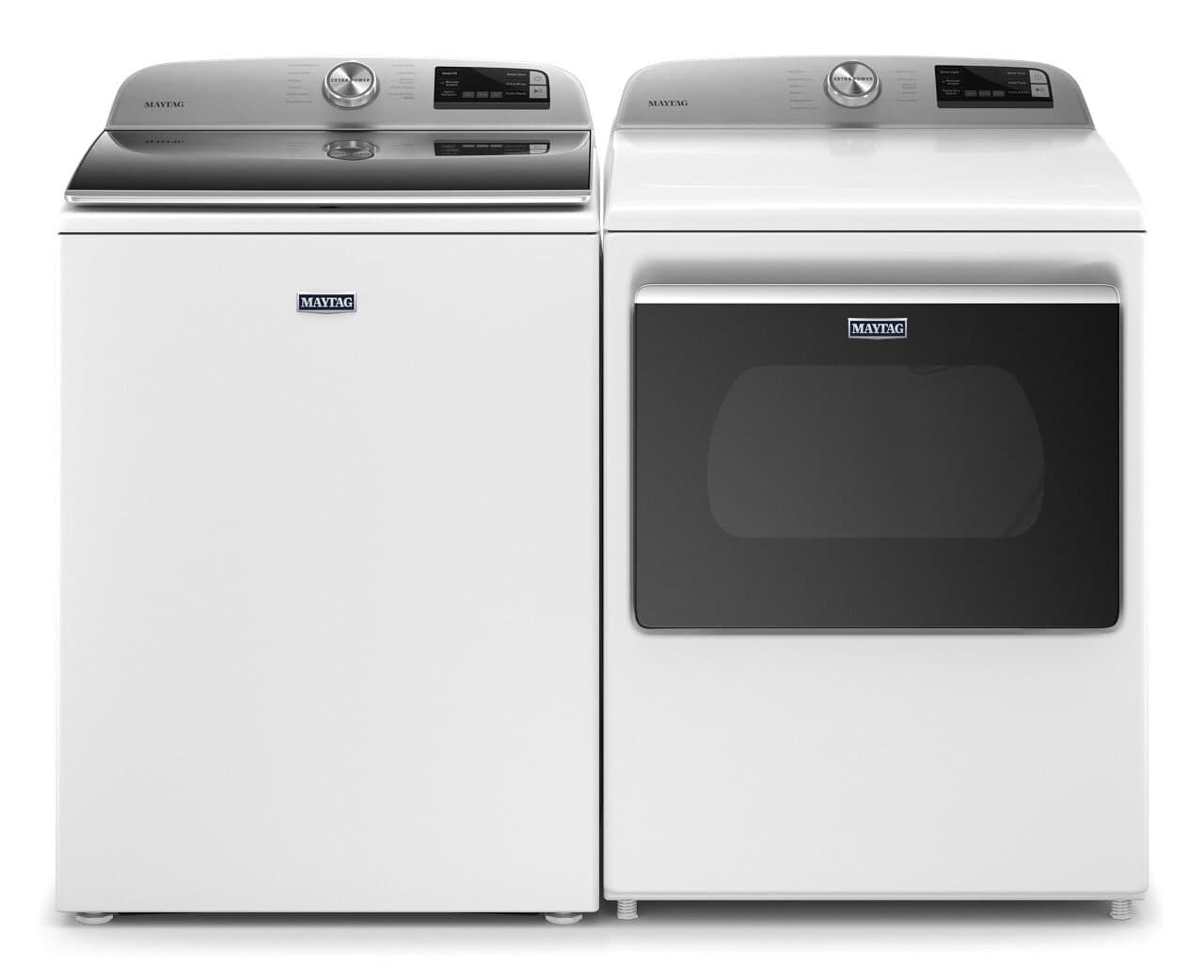
When your dryer stops working, you face a tough choice – fix it or replace it? This decision affects your budget and home routine. The best choice depends on several factors including the age of your dryer, repair costs, and whether a new model would save money over time.
Many dryer problems have simple fixes. If your dryer is less than 10 years old and the repair costs less than half the price of a new one, repairing is often the better option. However, for older models with multiple issues, replacement might make more sense. Today’s energy-efficient dryers can also reduce your utility bills, something to consider when making your decision.
Before deciding, get a proper diagnosis from a professional. Sometimes what seems like a major problem might be a quick, inexpensive fix. Many newer appliances aren’t built to last as long as older models, so repairing a quality older dryer could give you many more years of service.
Should You Repair or Replace a Dryer? A Practical Decision Guide
When your dryer stops working—or starts acting up—the big question is: should you repair it or replace it? The answer depends on cost, age, efficiency, and the type of problem you’re facing.
This guide breaks down when repairing a dryer makes sense, when replacement is the smarter move, and how to decide with confidence.
Start With the Age of Your Dryer
A dryer’s average lifespan is 10–13 years.
- Under 5 years old: Repair is usually worth it
- 5–10 years old: Repair depends on cost and issue
- Over 10 years old: Replacement often makes more sense
If your dryer is nearing the end of its expected life, even a successful repair may only buy limited time.
The 50% Repair Rule
A common rule of thumb:
If the repair cost is more than 50% of the price of a new dryer, replace it.
Example
- Repair cost: $400
- New dryer cost: $700
✅ Replace instead of repair
This rule helps avoid sinking money into an aging appliance.
Common Dryer Problems and What They Mean
Problems Usually Worth Repairing
These are typically low‑to‑moderate cost fixes:
- Broken door switch
- Faulty thermostat
- Worn drum belt
- Clogged vent or airflow issue
- Blown thermal fuse
✅ Repairs often cost $100–$300.
Problems That Suggest Replacement
These indicate major or recurring failures:
- Motor failure
- Control board replacement
- Heating element failure (on older units)
- Multiple issues at once
- Repeated breakdowns
❌ Repairs can cost $400–$700+, especially with labor.
Energy Efficiency Considerations
Older dryers are less efficient and may cost more to run.
Signs Your Dryer Is Inefficient
- Clothes take multiple cycles to dry
- Dryer runs very hot
- Noticeable increase in electricity or gas bills
Newer dryers offer:
- Moisture sensors
- Lower energy use
- Faster, gentler drying cycles
✅ Long‑term savings can justify replacement.
Repair vs Replacement Cost Comparison
| Factor | Repair | Replace |
|---|---|---|
| Upfront cost | Lower | Higher |
| Long‑term reliability | Uncertain | High |
| Energy efficiency | Same | Improved |
| Warranty | Rare | 1–5 years |
| Environmental impact | Lower waste | Higher waste |
Safety Matters
Some dryer issues pose fire or safety risks:
- Burning smells
- Electrical shorts
- Overheating
- Damaged wiring
If safety is involved—especially on older dryers—replacement is often the safer choice.
Availability of Replacement Parts
If parts are:
- Discontinued
- Back‑ordered
- Unusually expensive
…that’s a strong signal it’s time to replace the dryer.
When Repair Is the Right Choice
✅ Dryer is under 7 years old
✅ Repair cost is under 50% of replacement
✅ Issue is minor and isolated
✅ Dryer otherwise works well
When Replacement Is the Better Option
✅ Dryer is over 10 years old
✅ Multiple components are failing
✅ Repair cost is high
✅ Energy bills are rising
✅ You want modern features and warranty coverage
Before You Decide: Smart Next Steps
- Get at least one professional estimate
- Ask if the repair comes with a warranty
- Compare energy costs of new models
- Check rebates or appliance sales
- Consider installation and disposal costs
Final Verdict
There’s no one‑size‑fits‑all answer, but in general:
- Repair makes sense for newer dryers with minor issues
- Replace makes sense for older dryers with costly or recurring problems
Taking a few minutes to weigh age, cost, efficiency, and safety can save you hundreds of dollars—and a lot of frustration.
Key Takeaways
- Consider repair if your dryer is under 10 years old and the fix costs less than 50% of a new model’s price.
- Factor in energy efficiency improvements when calculating the long-term cost benefits of replacement versus repair.
- Get a professional diagnosis first to understand the exact issue and make an informed decision about your specific situation.
Determining the Issue
Before deciding whether to repair or replace your dryer, you need to identify exactly what’s wrong with it. Most dryer problems have specific symptoms that point to particular components.
Common Dryer Problems
If your dryer won’t start, check the door switch first. This safety feature prevents operation when the door is open. A faulty switch is often an easy and inexpensive fix.
When your dryer runs but doesn’t heat, the thermal fuse may have blown. This safety device cuts power when the dryer overheats. Replacing it is simple, but always investigate why it blew to prevent recurrence.
Is your dryer making strange noises? The idler pulley might be worn out. This small wheel maintains proper tension on the drum belt. When it fails, you’ll hear squeaking or grinding.
For dryers that stop mid-cycle or show error codes, the control board could be the culprit. This electronic brain manages all dryer functions and can malfunction due to power surges or age.
Diagnostic Tests
Start with simple tests before calling professionals. Unplug your dryer and check the power cord for damage. Also ensure the outlet works by testing it with another appliance.
For heating issues, inspect the exhaust vent for blockages. Poor airflow causes most overheating problems and can damage components over time.
Listen carefully to your dryer during operation. Different noises indicate specific issues – thumping suggests drum problems, while high-pitched sounds often point to motor or pulley issues.
Use the dryer’s diagnostic mode if available. Many modern dryers have built-in tests accessed through button combinations. Your user manual explains how to run these tests and interpret error codes.
Repair Solutions
Fixing your dryer yourself can save you money and extend the life of your appliance. Most common dryer issues have straightforward solutions that you can tackle with basic tools and careful attention to safety procedures.
Fixing the Heating Element
When your dryer runs but doesn’t heat, the heating element is often the culprit. This essential component typically costs $30-$200 depending on your model.
Before attempting any repair, always unplug your dryer and turn off the gas if applicable. Safety comes first!
To replace the heating element:
- Remove the back panel of your dryer (usually secured with Phillips-head screws)
- Locate the heating element assembly (typically a coiled wire in a metal housing)
- Disconnect the wires connected to it (take photos first to remember placement)
- Remove mounting screws and pull out the old element
- Install the new element in reverse order
Many heating element issues can be diagnosed with a simple multimeter test. If you measure infinite resistance, the element is broken and needs replacement.
Replacing the Idler Pulley
When your dryer makes squealing noises or the drum doesn’t turn properly, the idler pulley might need replacement. This small wheel maintains tension on the drum belt.
The repair typically costs $10-$30 for parts and takes about an hour. You’ll need:
- Screwdrivers (Phillips and flat-head)
- Putty knife
- New idler pulley assembly
To replace it:
- Remove the front panel (disconnect door switch wires carefully)
- Locate the idler pulley at the bottom of the dryer
- Release the tension on the drum belt
- Remove the old pulley and install the new one
- Reposition the belt according to your model’s belt routing diagram
Pay attention to how the belt sits before removal. Taking photos helps ensure correct reinstallation. This repair can significantly reduce noise and improve drying performance.
Troubleshooting the Control Board
The control board is your dryer’s brain, controlling timers, temperature, and cycles. Problems here can cause various symptoms like unresponsive buttons or incorrect cycle operation.
Before replacing this expensive component ($100-$300), try these troubleshooting steps:
- Reset the dryer by unplugging it for 1 minute
- Check for visible damage like burn marks or swollen capacitors
- Test incoming power with a multimeter
- Inspect wire connections for looseness or corrosion
If you need to replace the board:
- Document all wire connections (colored photos help)
- Handle the new board by its edges to avoid static damage
- Connect wires exactly as they were on the old board
- Test operation before reassembling completely
Many control board issues are actually caused by problems elsewhere, so verify other components before replacing this expensive part.
Repairing or Replacing the Door Switch
Your dryer won’t start if the door switch isn’t working properly. This safety feature ensures the dryer only operates when the door is closed.
Testing the switch is simple with a multimeter:
- Unplug the dryer for safety
- Remove the top or front panel to access the switch
- Disconnect the wires from the switch
- Set your multimeter to continuity testing
- Touch the probes to the switch terminals
- Press the switch – you should hear a beep indicating continuity
Replacement is usually straightforward:
- The part typically costs $10-$20
- Simply disconnect the old switch
- Install the new one in the same position
- Reconnect the wires in the same configuration
Door switch problems often manifest as a dryer that won’t start or stops mid-cycle. This inexpensive repair can quickly get your dryer functioning again without professional help.
Replacement Considerations
Deciding whether to replace your dryer involves evaluating multiple factors beyond just the current repair needs. The right choice depends on your specific situation and the condition of your existing appliance.
When to Replace Your Dryer
Your dryer is likely due for replacement if it’s showing multiple signs of decline rather than just one isolated issue. A dryer that’s over 10-12 years old may be at the end of its useful life, even with repairs.
Unusual noises, extended drying times, or clothes remaining damp are warning signs that shouldn’t be ignored. These symptoms often indicate significant problems with the heating element or motor.
If you’ve already made several repairs in the past year, continuing to fix your dryer might be throwing good money after bad. Multiple repairs suggest systemic decline rather than isolated issues.
Safety concerns should trigger immediate replacement. Any signs of burning smells, sparking, or electrical problems pose serious risks to your home and family.
Cost Analysis: Repair vs Replace
The 50% rule provides a useful guideline: if repair costs exceed half the price of a new dryer, replacement is typically the better long-term option. For example, a $400 repair on an $800 dryer doesn’t make financial sense.
Consider the full cost of ownership, not just the immediate repair. Factor in:
- Purchase price of new model
- Installation costs
- Expected energy savings
- Cost of additional repairs
- Value of improved features
DIY repairs using affordable appliance parts can significantly alter this equation. Simple fixes like belt replacements or thermal fuse issues might cost just $20-50 in parts if you handle the labor yourself.
Appliance Lifespan and Efficiency
Most dryers have an expected lifespan of 10-13 years. If yours is approaching this age, repairs become increasingly questionable investments as other components will likely fail soon.
Electric dryers typically maintain similar efficiency levels regardless of age, contrary to popular belief. A 10-year-old electric dryer usually isn’t significantly less efficient than a new model.
However, newer models offer tangible benefits beyond energy usage:
- Moisture sensors that prevent over-drying
- Steam features for wrinkle removal
- Larger capacity for fewer loads
- Smart connectivity for maintenance alerts
Your existing dryer’s energy rating matters too. If you have an older, inefficient model, the energy savings from a newer unit could offset the replacement cost over time, especially if you do multiple loads weekly.
Finding Replacement Parts
When your dryer needs repair, finding the right parts can save you money and extend your appliance’s life. Quality parts that match your specific dryer model are essential for successful repairs.
Sourcing Quality Appliance Parts
Start by checking with the original manufacturer’s website or authorized dealers. These sources often provide genuine dryer parts designed specifically for your model. While manufacturer parts may cost more, they typically offer better reliability and proper fit.
Local appliance repair shops often stock common components and can order specialty items. These businesses may offer helpful advice about your repair project too.
Online marketplaces like Amazon, eBay, and specialized appliance parts websites give you access to a wide selection. Always check seller ratings and return policies before purchasing.
Recommended Sources for Dryer Parts:
- Manufacturer websites
- Authorized dealers
- Local appliance repair shops
- Online appliance part retailers
- Big box home improvement stores
Ensuring Compatibility
Always verify your dryer’s exact model number before ordering parts. This information is typically found on a label inside the door or on the back panel of your dryer.
Take photos of the broken part before removal. This helps with identification and ensures you’re ordering the correct replacement. Some parts may look similar but have slight variations that affect performance.
Consider part warranties when making your purchase. Quality replacement components should come with guarantees against defects.
If you’re unsure about compatibility, contact the seller or manufacturer with your model number. Most reputable parts suppliers can confirm whether a specific component will work with your dryer model.
Professional Repair Services
When your dryer is giving you trouble, professional repair services can offer expertise and peace of mind. Qualified technicians can diagnose issues quickly and provide lasting solutions that might not be possible with DIY approaches.
Hiring Home Improvement Experts
Finding the right repair professional for your dryer can save you time and prevent further damage. You should look for technicians who specialize in appliance repair with specific experience working on dryers. Many cities have dedicated appliance repair companies – for example, in McKinney, TX, there are several professional appliance repair services that offer same-day assistance.
Before hiring, ask about:
- Experience with your dryer model
- Estimated costs (diagnosis fee + repair)
- Warranty on parts and labor
- Availability for emergency service
Many repair companies now offer online scheduling and provide upfront pricing. Some even offer commercial dryer repair if you’re maintaining equipment for a business property.
Verified Experts and Quality Process
Working with verified experts ensures your dryer receives proper care. Many reputable companies employ technicians who have industry certifications and extensive training on different dryer brands and models.
The quality repair process typically includes:
- Thorough diagnosis – identifying the root cause, not just symptoms
- Clear explanation of issues and repair options
- Transparent pricing before work begins
- Quality parts with warranties
- Post-repair testing to ensure everything works properly
Some services offer a JustAnswer membership or similar support plan for ongoing assistance. With these plans, you can access expert advice even before scheduling an in-person visit.
Look for repair companies with positive reviews on platforms like Yelp, where customers share their experiences with local technicians.
DIY Repair Tips
Many common dryer issues can be fixed without calling a professional. With the right tools and knowledge, you can save money by tackling simple repairs yourself.
Safety Precautions
Before attempting any dryer repair, always unplug the appliance from the power source. This is the most important safety step you can take. For gas dryers, turn off the gas supply valve as well.
Wear protective gloves to prevent cuts from sharp metal edges inside the dryer. Make sure to work in a well-lit area so you can see what you’re doing clearly.
Keep track of all screws and parts as you remove them. A magnetic tray or small containers can help organize these items. Take photos with your phone before disconnecting any wires or removing parts to help with reassembly.
Wait at least 30 minutes after unplugging before working on electrical components to allow capacitors to discharge.
Step-by-Step Guides
Start your dryer troubleshooting by checking the lint screen and exhaust vent for blockages. Clogged vents cause most drying problems and can be a fire hazard.
For door issues, examine the door switch and plunger. If the plunger is bent or damaged, you can easily replace it without special tools. Most door switches simply clip into place.
Common heating problems can often be traced to:
- Blown thermal fuses (test with a multimeter)
- Faulty heating elements
- Broken thermostats
When your dryer makes unusual noises, the belt may need replacement. Access the belt by removing the front or top panel (depending on your model). Look for wear or cracks and replace if necessary.
To fix a dryer that won’t tumble, check the drum rollers and axles for wear. Apply a small amount of lubricant to squeaky parts after cleaning.
Frequently Asked Questions
Deciding whether to repair or replace your dryer involves understanding several key factors including repair costs, dryer age, and common issues. Here are answers to the most common questions homeowners have when facing dryer problems.
What are the signs that indicate a dryer needs to be repaired?
Your dryer might need repairs if it’s making unusual noises like thumping, squealing, or grinding. These sounds often indicate worn bearings, drum rollers, or belt issues.
Clothes taking longer than normal to dry is another warning sign. This could mean a clogged vent, broken heating element, or faulty thermostat.
If your dryer stops mid-cycle, doesn’t start at all, or the drum isn’t turning while the motor runs, these are clear indicators that professional attention is needed.
How much does it typically cost to repair a dryer?
Dryer repair costs typically range from $100 to $400 depending on the issue and parts needed. Simple repairs like replacing a thermal fuse or door switch are inexpensive and often worth doing.
More complex problems like control board failures can cost $200-$300, making them less economical for older units.
Labor charges usually run between $50 and $80 per hour, with most repairs taking 1-2 hours to complete.
What factors should be considered when deciding to repair or replace a dryer?
The age of your dryer is crucial – if it’s over 10-12 years old, replacement might make more sense than investing in repairs.
Compare the repair cost to the original price of your dryer. As a rule of thumb, if repairs exceed 50% of a new unit’s cost, replacement is often wiser.
Check if your dryer is still under warranty before making any decisions. Many manufacturers cover parts for 1 year and sometimes longer for major components.
Energy efficiency improvements in newer models might offset the cost of replacement through lower utility bills, especially if your current dryer is over 10 years old.
At what point is it more cost-effective to replace a dryer rather than repair it?
When repair costs exceed 50% of the price of a new dryer, replacement is usually the better financial choice.
If your dryer has needed multiple repairs within a short timeframe, it’s probably time to replace it rather than continue investing in an unreliable appliance.
For dryers older than 13 years, even moderate repair costs justify replacement since the appliance is already past its expected lifespan.
How long does a dryer typically last before it needs to be replaced?
The average lifespan of a clothes dryer is 10-13 years. Higher-end models with better construction may last up to 15 years with proper maintenance.
Gas dryers typically last slightly longer than electric models, often reaching the upper end of the lifespan range.
Regular maintenance such as cleaning lint traps, checking vent hoses, and periodic professional vent cleaning can extend your dryer’s useful life significantly.
What are common issues that can be repaired in dryers, and how are they fixed?
Thermal fuses often blow as a safety measure when dryers overheat. Replacing this part is a simple, inexpensive repair that many homeowners can do themselves by following online tutorials.
Broken belts cause the drum to stop turning. Replacement requires disassembling the dryer cabinet, but the parts themselves are relatively inexpensive.
Heating element failures prevent the dryer from producing heat. While replacement parts cost $40-100, labor can add significantly to the total repair cost.
Malfunctioning door switches prevent the dryer from starting. These are typically easy and affordable to replace, often costing less than $50 including parts and labor.