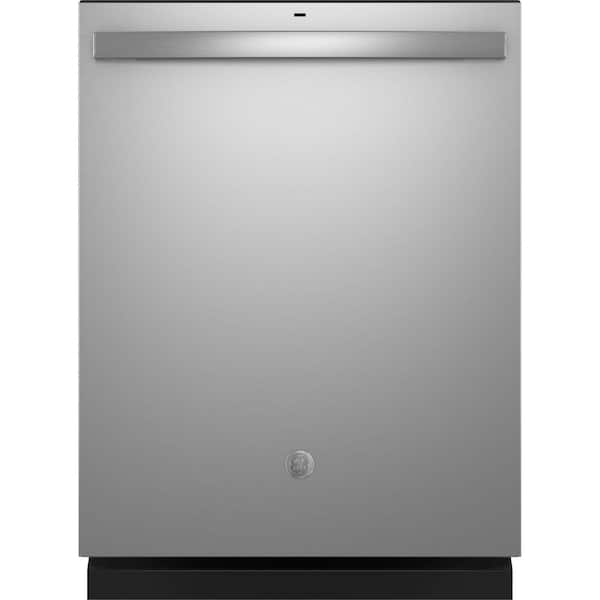
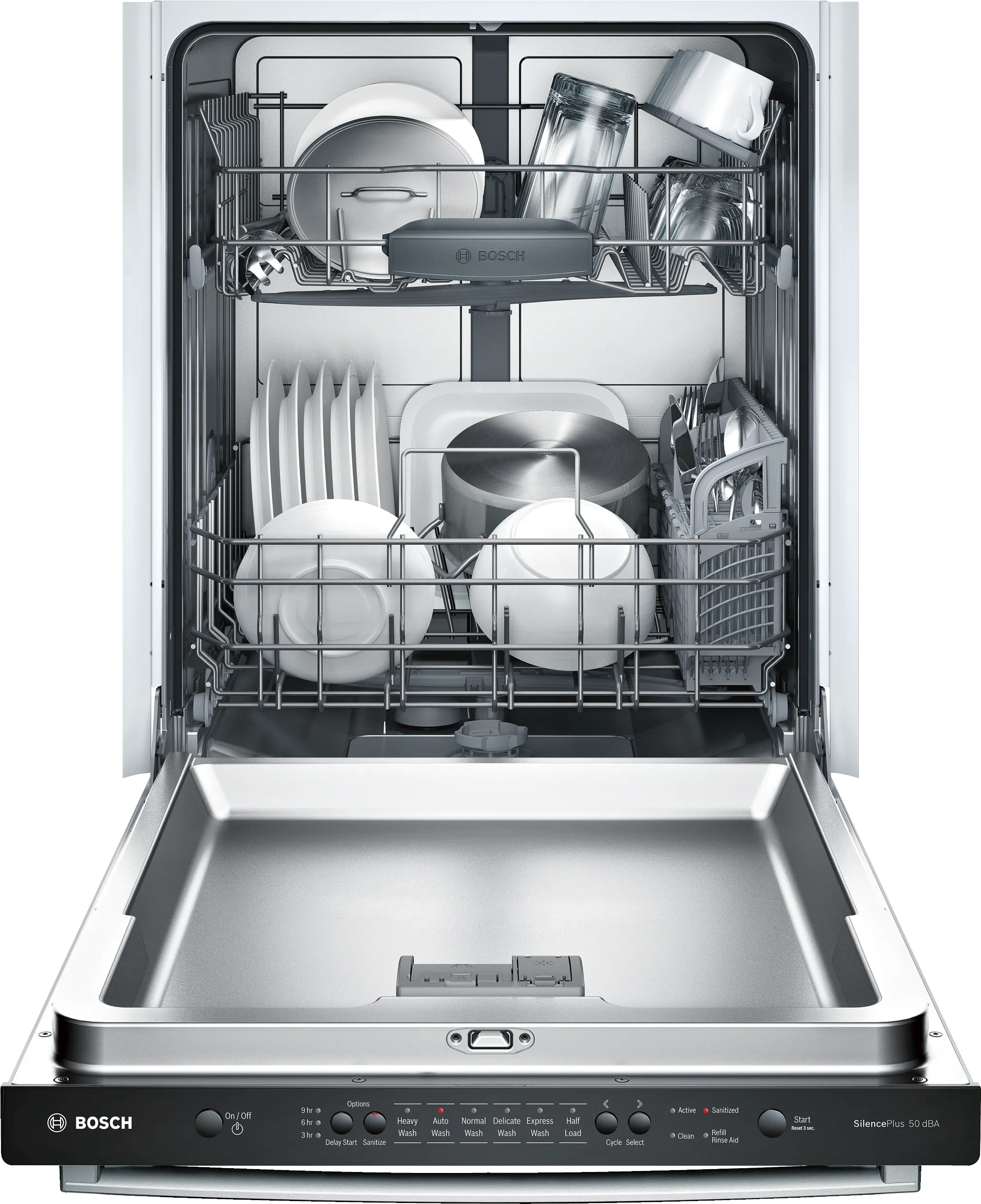
A dishwasher that fails to clean the top rack can be frustrating. Dirty dishes after a full cycle waste time and resources. The most common causes of this issue are clogged spray arms, insufficient water pressure, or faulty components.
Addressing the problem starts with a thorough inspection of the dishwasher’s top rack and spray arms. Users should check for any blockages in the spray arm holes and ensure the rack isn’t overloaded. Proper loading techniques can significantly improve cleaning performance.
If simple fixes don’t solve the issue, it may be time to examine more complex components. The water inlet valve, circulation pump, or wash motor could be malfunctioning. In such cases, professional repair might be necessary to restore the dishwasher’s full cleaning capabilities.
Dishwasher Not Cleaning Top Rack: Troubleshooting Guide
If your bottom rack comes out spotless but the top rack is still dirty, you’re not alone. This is a common dishwasher issue and is usually caused by blocked spray arms, weak water pressure, or circulation problems.
Here’s a step‑by‑step guide to diagnose and fix it.
🔎 Why the Top Rack Stays Dirty
According to appliance repair guides, the most common causes include:
- Clogged or blocked upper spray arm
- Low water pressure
- Faulty circulation pump
- Clogged filter or chopper blade
- Water inlet valve problems
- Diverter motor failure
(Sources: HowToFixIt, Sears PartsDirect, The Nifty House)
✅ Step‑by‑Step Troubleshooting
1️⃣ Check for Blocked Upper Spray Arm (Most Common Cause)
The top rack relies on a rotating spray arm underneath it.
What to do:
- Pull out the top rack.
- Spin the spray arm by hand — it should rotate freely.
- Remove it (if detachable).
- Rinse under warm water.
- Use a toothpick or pin to clear clogged holes.
Clogged spray arms are one of the leading causes of upper rack cleaning failure (source: HowToFixIt).
2️⃣ Make Sure Nothing Is Blocking the Spray
Improper loading can block water flow.
✅ Avoid:
- Tall utensils sticking down
- Large pans blocking the spray arm
- Overcrowding dishes
Water must reach the top rack unobstructed.
3️⃣ Clean the Dishwasher Filter
A clogged filter reduces water pressure.
How:
- Remove the bottom rack.
- Twist and lift out the filter (usually at the bottom center).
- Rinse under warm water.
- Scrub gently with a soft brush.
Sears PartsDirect notes that reduced water flow can prevent proper top rack cleaning (source: Sears PartsDirect).
4️⃣ Inspect the Water Feed Tube
Most dishwashers send water to the top rack through a vertical tube at the back.
- Make sure it aligns properly when the rack slides in.
- Check for cracks or blockages.
- Ensure the rack locks fully into place.
If the feed tube doesn’t seal correctly, the upper spray arm won’t receive enough water.
5️⃣ Check Water Pressure
Low household water pressure can prevent strong spray action.
- Run the kitchen faucet — is pressure weak?
- Make sure the dishwasher valve under the sink is fully open.
Weak pressure is frequently cited as a cause (source: The Nifty House).
6️⃣ Test the Diverter Motor
Many modern dishwashers use a diverter motor to switch water between spray arms.
If it fails:
- The bottom rack may get all the water
- The top rack gets little or none
Sears PartsDirect identifies diverter motor problems as a known cause of uneven rack cleaning (source: Sears PartsDirect).
⚠️ This repair may require a technician.
7️⃣ Check the Circulation Pump
If the circulation pump is weak or failing:
- Spray pressure drops
- Top rack suffers first
HowToFixIt lists circulation pump failure as a possible cause when the upper rack isn’t cleaning (source: HowToFixIt).
Signs include:
- Humming noise
- Poor cleaning on both racks
- Water not spraying forcefully
8️⃣ Run a Cleaning Cycle
Mineral buildup can clog internal components.
- Use a dishwasher cleaner
- Run a hot cycle with vinegar (empty dishwasher)
This can restore spray performance in some cases.
🧪 Quick Diagnostic Test
Try this:
- Run the dishwasher for 2–3 minutes.
- Open the door quickly.
- Check if dishes on the top rack are wet.
- ✅ Wet = water reaching top (likely blockage issue)
- ❌ Dry = water not reaching top (possible pump/diverter issue)
🚨 When to Call a Technician
Consider professional repair if:
- Spray arms are clean but issue persists
- You suspect pump or diverter motor failure
- Dishwasher is making unusual noises
- Unit is over 8–10 years old
✅ Quick Fix Checklist
✔ Clean upper spray arm
✔ Remove loading blockages
✔ Clean filter
✔ Check water pressure
✔ Inspect feed tube alignment
✔ Consider diverter or pump issue
🎯 Final Thoughts
In most cases, a clogged spray arm or filter is the culprit. Start with simple cleaning steps before replacing parts.
Key Takeaways
- Check and clean spray arms to ensure proper water distribution
- Examine water pressure and inlet valve functionality
- Consider professional repair for persistent top rack cleaning issues
Common Issues and Troubleshooting
Dishwashers not cleaning the top rack often face several key challenges. These issues can stem from mechanical problems, water supply concerns, or improper usage.
Clogged or Blocked Spray Arm
A clogged spray arm is a frequent culprit for poor cleaning performance. Food particles, mineral deposits, or debris can obstruct the spray arm holes.
To check for clogs, remove the top rack and inspect the spray arm underneath. Look for visible blockages in the spray holes.
Cleaning methods:
- Use a toothpick to clear individual holes
- Soak the spray arm in vinegar for 30 minutes
- Scrub with a soft brush to remove buildup
Regular cleaning prevents future blockages. Run an empty cycle with vinegar monthly to dissolve mineral deposits.
Water Pressure Problems
Inadequate water pressure can result in ineffective cleaning, especially on the top rack.
Possible causes:
- Kinked or damaged water supply hose
- Partially closed water inlet valve
- Low household water pressure
To troubleshoot:
- Check the water supply hose for kinks or damage
- Ensure the water inlet valve is fully open
- Test household water pressure with a pressure gauge
If pressure is consistently low, consider installing a water pressure booster for the dishwasher.
Detergent and Rinse Aid Usage
Proper detergent and rinse aid use is crucial for effective cleaning.
Detergent tips:
- Use high-quality, fresh detergent
- Measure the correct amount for your load size
- Store detergent in a cool, dry place
Rinse aid helps water sheet off dishes, preventing spots and improving drying. Fill the rinse aid dispenser regularly and adjust the setting as needed.
For hard water areas, use a water softener or specialized detergent to prevent mineral buildup.
Overloading and Incorrect Loading
Improper loading can obstruct water flow and reduce cleaning effectiveness.
Best practices:
- Leave space between dishes for water circulation
- Face dirty surfaces towards spray arms
- Place larger items on the sides and back
- Load cups and glasses at an angle for proper draining
Avoid blocking the detergent dispenser or spray arms with large items. Consult the dishwasher manual for model-specific loading instructions.
Regular maintenance and proper usage significantly improve top rack cleaning performance.
Maintenance to Improve Top Rack Cleaning
Regular maintenance can significantly boost a dishwasher’s top rack cleaning performance. Proper care and attention to key components help ensure dishes come out spotless every time.
Regular Cleaning and Care
Wiping down the top rack weekly removes food debris and prevents clogs. A soft brush can clean spray arm holes, ensuring proper water flow. Inspect the rack for damage or worn parts that may need replacement. Run an empty cycle with vinegar monthly to dissolve soap scum and mineral buildup. This simple routine keeps the top rack functioning optimally.
For stubborn grime, remove the top rack and soak it in warm, soapy water. Scrub gently with a soft brush, paying extra attention to corners and crevices. Rinse thoroughly before reinstalling.
Filter Maintenance
A clean filter is crucial for top rack performance. Most dishwashers have removable filters located at the bottom. Remove and rinse the filter under running water every 1-2 weeks. For thorough cleaning, soak it in warm, soapy water for 10-15 minutes.
Use a soft brush to remove trapped particles. Avoid harsh scrubbing that could damage the filter mesh. Some models feature self-cleaning filters, but these still benefit from occasional manual cleaning.
Check the filter compartment for debris and wipe it clean. Ensure the filter is properly seated when reinstalling to prevent leaks and poor cleaning performance.
Managing Hard Water and Mineral Deposits
Hard water can leave mineral deposits on dishes and dishwasher components. These deposits can clog spray arms and reduce cleaning effectiveness, especially in the top rack.
To combat this:
- Use a rinse aid to prevent water spots and mineral buildup
- Add a cup of white vinegar to the top rack and run an empty cycle monthly
- Consider installing a water softener if hard water is a persistent issue
For severe mineral buildup, use a commercial dishwasher cleaner designed to remove limescale. Follow the product instructions carefully. Regular use of these cleaners can help maintain top rack cleaning performance in areas with hard water.
Technical Issues and Professional Repair
Several complex problems can cause a dishwasher’s top rack to stop cleaning effectively. These issues often require professional diagnosis and repair.
Water Inlet Valve Problems
Water inlet valves control water flow into the dishwasher. A faulty valve can reduce water pressure to the top rack. Signs of valve issues include low water levels and poor cleaning performance.
Inlet valves may become clogged with debris or mineral deposits. This restricts water flow. Electrical problems can also prevent the valve from opening fully.
Replacing a faulty inlet valve requires:
- Disconnecting power
- Removing the lower access panel
- Locating the valve behind the front panel
- Disconnecting water lines and electrical connections
- Installing the new valve
Professional technicians can quickly diagnose and replace malfunctioning inlet valves.
Circulation Pump Failures
The circulation pump moves water through spray arms. A failing pump reduces water pressure throughout the dishwasher. This especially affects the top rack.
Common pump issues include:
- Worn impellers
- Clogged intake screens
- Seized motors
- Electrical failures
Pumps make unusual noises when failing. Water may not drain properly. A professional can test the pump’s performance and replace it if needed.
Pump replacement is complex. It involves:
- Removing the dishwasher from its housing
- Disconnecting plumbing and electrical connections
- Accessing the pump assembly
- Installing the new pump
- Properly resealing all connections
Seal and Component Damage
Damaged seals and components can cause leaks. This reduces water pressure to the top rack. Key areas to check include:
- Spray arm seals
- Water diverter seals
- Upper rack water feed tubes
Broken seals allow water to escape before reaching spray arms. This leaves dishes dirty. Cracks in plastic components have similar effects.
Professional repairs may involve:
- Disassembling the wash system
- Replacing damaged seals or parts
- Reassembling and testing the system
Technicians use specialized tools to access and replace these components. They ensure proper reassembly to prevent future leaks.
Frequently Asked Questions
Dishwasher top rack cleaning issues can stem from various factors. Understanding these problems and their solutions helps maintain effective dishwashing performance.
Why are items on the top shelf of my dishwasher coming out dirty?
Overloading the top rack often leads to dirty dishes. Too many items can block water spray, preventing thorough cleaning. Proper loading allows water and detergent to reach all surfaces.
Clogged spray arms also cause cleaning problems. Food particles or mineral buildup can block water jets. Regular cleaning of spray arms ensures optimal performance.
What causes a dishwasher to fail to clean dishes on the top rack?
A faulty water inlet valve can reduce water flow to the top rack. This valve controls water entry into the dishwasher. If it malfunctions, insufficient water reaches the upper level.
Spray arm issues are another common cause. A damaged or clogged spray arm fails to distribute water effectively. Inspecting and cleaning spray arms can resolve this problem.
How can I troubleshoot a dishwasher that’s not cleaning the top rack properly?
Check for clogs in the spray arm holes. Use a toothpick to clear any blockages. This simple step can significantly improve cleaning performance.
Inspect the water inlet valve for proper function. A malfunctioning valve may need replacement to restore proper water flow.
Are there common problems that prevent dishwashers from cleaning the top rack?
Hard water deposits can accumulate in spray arms and jets. These deposits restrict water flow, reducing cleaning effectiveness. Regular descaling helps prevent this issue.
Improper detergent use affects cleaning quality. Using too little or too much detergent can lead to poor results. Follow manufacturer guidelines for optimal detergent amounts.
What maintenance steps should be taken to ensure the top rack of a dishwasher cleans effectively?
Clean spray arms monthly to prevent clogging. Remove them and soak in vinegar to dissolve mineral deposits.
Check and clean filters regularly. Clogged filters can reduce water pressure, affecting top rack cleaning. Rinse filters under running water to remove debris.
How do I resolve water spray issues affecting the top rack in my dishwasher?
Ensure the spray arm rotates freely. Remove any obstructions that may hinder its movement. A properly rotating spray arm distributes water evenly.
Check for leaks in the water supply system. Leaks can reduce water pressure, affecting top rack cleaning. Inspect hoses and connections for signs of wear or damage.