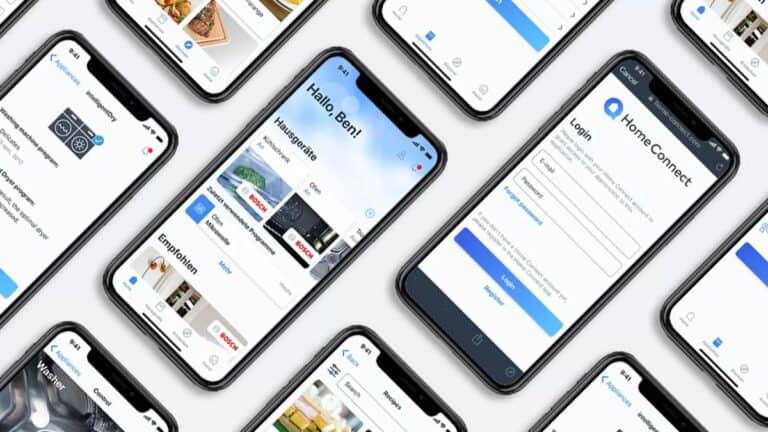
Generation Z, born between 1997 and 2012, is now entering the rental market with specific preferences that set them apart from previous generations. Today’s young renters prioritize tech-enabled living spaces that offer both convenience and connectivity. Gen Z renters want smart home features like keyless entry, programmable thermostats, and high-speed internet above traditional amenities like parking or on-site gyms.
While millennials introduced technology to the rental market, Gen Z was born into it and expects seamless integration in their living spaces. They’re looking for smart locks and thermostats at twice the rate of older generations. The ability to control lighting through smart bulbs and switches is particularly appealing to this demographic that values customization and efficiency in their living spaces.
Beyond technology, practical considerations matter too. A surprising 78% of Gen Z adults list air conditioning as their top priority in a rental home. This generation also demonstrates strong interest in high-speed internet connections, which outrank traditional amenities like laundry facilities in importance.
OK Zoomer: What Gen Z Wants in a Smart Rental (2026 Guide)
The rental market is changing fast—and Gen Z is driving the shift. Born into smartphones, streaming, and social platforms, Gen Z renters expect more than just four walls and decent Wi‑Fi. They want smart, flexible, tech‑enabled homes that match their lifestyle, values, and budget.
If you’re a landlord, property manager, or real estate investor wondering how to attract and retain Gen Z tenants, this guide breaks down exactly what Gen Z wants in a smart rental in 2026—and how to deliver it.
Who Is Gen Z as Renters?
Gen Z (born roughly between 1997 and 2012) now makes up a growing share of renters worldwide. Key characteristics shaping their housing preferences include:
- Digital‑first mindset
- Budget consciousness
- High expectations for technology
- Strong values around sustainability and inclusivity
- Preference for flexibility over long‑term commitments
For Gen Z, a rental isn’t just a place to sleep—it’s a workspace, entertainment hub, and social space.
1. Smart Tech Is a Must, Not a Bonus
For Gen Z, smart home tech isn’t a luxury—it’s the baseline.
Must‑Have Smart Features:
- Smart locks (keyless entry via phone)
- Smart thermostats (app‑controlled, energy-saving)
- Smart lighting (voice or app control)
- High-speed internet readiness (fiber or 5G)
Gen Z expects seamless integration with their devices. If a rental can’t connect easily to their phone, it already feels outdated.
💡 Landlord Tip: Focus on reliable, renter-friendly systems that don’t require complex installations or permanent modifications.
2. Energy Efficiency & Sustainability Matter
Gen Z is the most environmentally conscious generation yet. They actively look for rentals that help reduce their carbon footprint—and their utility bills.
Features That Win:
- Energy-efficient appliances
- Smart meters and usage tracking
- LED lighting
- Water-saving fixtures
- Solar-powered common areas (where possible)
Sustainability isn’t just about saving the planet—it’s about lower monthly costs, which strongly influences rental decisions.
3. Flexible Spaces for Hybrid Living
Remote and hybrid work are now the norm. Gen Z wants rentals that adapt to multiple needs.
Smart Layout Preferences:
- Space for a home office or study nook
- Strong Wi‑Fi coverage in every room
- Soundproofing or noise reduction
- Movable or modular furniture options
Even small apartments can stand out if they’re designed with multi-purpose living in mind.
4. App-Based Everything
Gen Z expects convenience at their fingertips.
Digital Expectations:
- Online rental applications
- App-based rent payments
- Digital maintenance requests
- Smart building access systems
- Package tracking and smart lockers
The fewer phone calls and paper forms, the better. Rentals that operate like a modern app ecosystem feel intuitive and appealing.
5. Security Without the Stress
Security matters—but Gen Z prefers smart security, not intrusive systems.
Popular Security Features:
- Smart doorbells with cameras
- Secure package delivery systems
- Well-lit entrances with motion sensors
- App alerts instead of traditional alarms
Peace of mind is key, especially for first-time renters living alone or with roommates.
6. Community & Shared Amenities
Gen Z values experiences and social connection, even in rental living.
Highly Valued Amenities:
- Co-working lounges
- Shared kitchens or rooftop spaces
- Fitness rooms or wellness areas
- Pet-friendly policies
- Community events or digital notice boards
Smart rentals aren’t just about tech—they’re about building community.
7. Transparent Pricing & No Surprises
This generation is highly budget-aware and distrustful of hidden fees.
What Gen Z Expects:
- Clear rent breakdowns
- Transparent utility costs
- No unexpected add-on fees
- Flexible lease options
Smart budgeting tools or cost dashboards integrated into rental apps are a huge plus.
8. Aesthetic Matters (Yes, Instagram-Ready)
Gen Z cares about how their space looks—especially on social media.
Design Preferences:
- Clean, modern interiors
- Neutral color palettes
- Natural light
- Minimalist finishes
- Thoughtful lighting design
A rental that looks good online gets more attention and higher demand.
What Landlords Gain by Going “Smart”
Investing in Gen Z-friendly smart rentals isn’t just trendy—it’s strategic.
Benefits:
- Higher tenant retention
- Reduced maintenance costs
- Lower vacancy rates
- Stronger online reviews
- Increased property value
Smart upgrades often pay for themselves over time through efficiency and demand.
Final Thoughts: Smart Rentals Are the New Standard
Gen Z isn’t asking for the future—they’re already living in it.
To attract this generation, rentals must be: ✅ Tech-enabled
✅ Energy-efficient
✅ Flexible
✅ Transparent
✅ Community-focused
In 2026 and beyond, the smartest rentals won’t just house Gen Z—they’ll support how they live, work, and connect.
Key Takeaways
- Smart home technology including keyless entry and programmable thermostats ranks among Gen Z’s top priorities when choosing rental properties.
- High-speed internet connectivity outranks traditional amenities like parking and on-site gyms for the digital-native generation.
- Practical comforts like air conditioning remain essential while eco-friendly features appeal to this generation’s environmental consciousness.
Understanding Gen Z
The Zoomer generation brings distinct preferences, values, and nostalgic influences that shape their rental expectations in today’s market. Their unique identity and technological fluency directly impact what amenities they seek when choosing a place to live.
Defining the Zoomer Identity
Generation Z, commonly known as “Zoomers” or sometimes “iGen,” typically includes those born between 1997 and 2012. This demographic has grown up in a fully digital world, making them the most tech-savvy generation yet.
Unlike Millennials who remember life before smartphones, Gen Z has never known a world without instant connectivity. This digital nativity fundamentally shapes their expectations about living spaces.
Tech-savvy renters value convenience and efficiency through technology. They expect seamless integration of digital tools in their daily lives, including their homes.
Zoomers are also characterized by their pragmatism, independence, and entrepreneurial spirit. Many run side hustles or online businesses, requiring home spaces that double as productive work environments.
Values and Expectations of Generation Z
Gen Z places high importance on authenticity, diversity, and social responsibility. These values extend to their housing preferences, where sustainability features rank high on their priority lists.
Energy-efficient appliances and smart home technology appeal strongly to this generation. In fact, studies show Zoomers are twice as likely to prefer smart locks and thermostats compared to older generations.
Key expectations for Gen Z renters include:
- Reliable, high-speed internet connectivity
- Flexible spaces that accommodate work-from-home needs
- Pet-friendly policies as many prioritize animal companionship
- Community amenities that foster social connections
- Safety features including smart security systems
Financial consciousness also defines this generation, who came of age during economic uncertainty and value transparent pricing without hidden fees.
The Impact of Nostalgia on Gen Z
Despite their forward-thinking nature, Gen Z exhibits strong nostalgic tendencies for eras they never experienced firsthand. This “borrowed nostalgia” influences their aesthetic preferences in living spaces.
Many Zoomers display affinity for anime and manga, with classics like Speed Racer and modern series holding equal appeal. This interest extends beyond entertainment to influence interior design choices and decorative elements.
Childhood shows from Cartoon Network and reimagined Disney content create reference points for their aesthetic sensibilities. The bold character designs from Japanese cartoons like G-Force (based on Science Ninja Team Gatchaman) influence color preferences and artistic choices.
This nostalgia manifests in rental homes through vintage-inspired décor paired with modern technology—creating spaces that feel both timeless and cutting-edge. Rental property owners who understand these influences can better market to Gen Z tenants.
Smart Rentals for the Tech-Savvy Generation
Gen Z renters are reshaping the rental market with their strong preference for tech-integrated living spaces. Property owners who understand these digital expectations are better positioned to attract and retain this growing demographic of renters.
High-Tech Amenities and Internet Access
Today’s Gen Z renters prioritize smart home technology as a fundamental necessity rather than a luxury. Smart thermostats and locks rank high on their wish lists, with surveys showing Gen Z prefers these features more than twice as much as older generations.
Lighting control through smart bulbs and switches gives tech-savvy renters the ability to customize their environment. These young adults appreciate the convenience of adjusting lighting through smartphone apps or voice commands.
Managed WiFi has become particularly essential for this demographic. Unlike previous generations, Gen Z considers reliable, high-speed internet access as important as any other utility. Property owners who include internet in rental packages can gain a significant competitive advantage.
Top Tech Amenities Gen Z Seeks:
- Smart thermostats for climate control
- Keyless entry systems
- App-controlled lighting
- High-speed internet included with rent
Securing Rentals through Innovative Technology
The rental process itself has evolved to meet Gen Z expectations. This generation prefers a digital-first experience when searching for and securing rental properties.
Virtual tours using advanced photography or even drone footage allow prospective tenants to view properties remotely. This technology-driven approach aligns with Gen Z’s digital habits and saves time for both renters and property owners.
Online application processes, digital lease signing, and electronic payment systems are no longer optional but expected features. Property management platforms that streamline these processes appeal strongly to young renters.
Smart security features like doorbell cameras and monitoring systems provide peace of mind. Gen Z tenants value the ability to check on their homes remotely and receive security alerts on their devices.
Homeowners adapting to these preferences find they can command premium rents while attracting reliable, tech-savvy tenants who appreciate and properly utilize these technological investments.
The Economics of Renting to Zoomers
Understanding the financial aspects of catering to Generation Z renters requires landlords to balance modern amenities with affordable pricing strategies. Smart investments in tech upgrades can yield significant returns while addressing unique economic challenges.
Navigating Rent and Utilities in Times of Inflation
Generation Z renters face unique economic challenges as they enter the rental market during high inflation periods. They typically allocate 30% of their income to housing, making rent affordability a top priority.
Unlike previous generations, Gen Z often expects utilities to be bundled with rent for predictable monthly expenses. High-speed internet is considered an essential utility, not a luxury.
Energy-efficient features like LED lighting and smart thermostats appeal strongly to this demographic for both environmental and economic reasons. These technologies reduce utility costs by 15-30% on average.
Property owners can command premium rates by installing:
- Smart thermostats ($200-300 investment)
- Water-saving fixtures ($50-150 per bathroom)
- Energy-efficient appliances ($2,000-5,000 per unit)
These investments typically pay for themselves within 2-3 years through higher rents and lower vacancy rates.
Grants and Funding Opportunities for Landlords
Multiple financial resources exist for property owners seeking to upgrade rentals to meet Gen Z preferences. Federal energy efficiency tax credits can offset 10-30% of qualifying improvement costs.
The Department of Energy’s Building Technologies Office offers grants specifically for implementing smart home technologies and energy-efficient systems. Application deadlines typically fall quarterly.
Local utility companies frequently provide rebates for property owners installing energy-saving appliances. These programs can reduce upfront costs by $500-1,500 per unit.
Some municipalities offer property tax incentives for “green” rental upgrades that appeal to environmentally-conscious Gen Z renters. Requirements vary by location but typically include:
- Minimum energy efficiency standards
- Smart home integration
- Water conservation features
- Renewable energy components
Return on investment calculations should factor in these financial incentives, which can reduce payback periods by 25-40%.
Cultural and Lifestyle Considerations
Generation Z brings unique cultural values and lifestyle preferences that shape their rental decisions. Smart property owners who understand these priorities can create spaces that genuinely appeal to this tech-savvy demographic.
Incorporating Spaces for Work and Creative Passions
Gen Z renters seek flexible living environments that accommodate both their professional and creative endeavors. Many work remotely or have side hustles, making dedicated workspace essential.
Smart rentals should feature:
- Multi-purpose areas that transform from workspaces to entertainment zones
- Strong Wi-Fi coverage throughout the property
- Built-in desk nooks or convertible furniture
- Adequate power outlets with USB ports
Lighting is crucial for these spaces. Natural light improves productivity, while adjustable smart lighting systems allow customization for different activities—from video calls to artistic pursuits.
Property owners might consider offering communal creative spaces in multi-unit buildings. Art studios, music rooms, or podcast recording booths can be powerful differentiators that attract creativity-minded Gen Z tenants.
Supporting Independence and Agency
Gen Z values autonomy and wants rental experiences that respect their independence. Smart home technology plays a significant role in delivering this sense of control.
Tech-savvy management is essential, with features like:
- Digital lease signing and rent payment options
- App-based maintenance requests
- Virtual property tours
- Smart locks for keyless entry
These renters appreciate transparent policies and clear communication. They expect quick responses through text or apps rather than phone calls or in-person visits.
Energy efficiency also matters to this environmentally conscious generation. Smart appliances that help reduce utility costs while supporting sustainability goals demonstrate respect for their values and financial independence.
Appreciation for Action and Adventure in Design
Gen Z gravitates toward living spaces that feel dynamic and experiential. Their design preferences often reflect their desire for action and adventure.
Rental properties can incorporate this through:
- Bold accent walls or statement fixtures
- Interactive elements like climbing walls or hammock spaces
- Outdoor areas designed for activities rather than just relaxation
- Community features that promote social experiences
Smart home features should enhance these experiences—voice-activated assistants that control music, lighting that changes for different moods, or projection systems for immersive entertainment.
Storage solutions for adventure gear (bikes, camping equipment, sports gear) are highly valued. Providing secure, accessible storage shows understanding of their active lifestyles and helps accommodate their pursuit of experiences over possessions.
Leveraging Pop Culture and Media Influences
Gen Z’s rental preferences are heavily shaped by the media they consume and the pop culture they embrace. Smart property owners who understand these influences can create more appealing living spaces that resonate with this tech-savvy generation.
The Resurgence of Classic Cartoons and Media
Nostalgia plays a significant role in Gen Z’s interests despite their young age. Many classic media properties have experienced revivals that resonate with this generation. Shows from the 80s and 90s have found new life through streaming platforms, influencing aesthetic preferences.
Property managers can incorporate subtle nods to these cultural touchpoints in common areas or marketing materials. For example, vintage-inspired game rooms with classic arcade machines or wall art referencing beloved shows can create immediate connection.
Even older properties like the 1960s American cult classic Speed Racer (originally “Mach Go Go Go” by Tatsuo Yoshida) have found new audiences through modern adaptations and streaming availability. The distinctive style of these classics creates visual references that Gen Z appreciates.
Rentals That Reflect Anime and Manga Interests
Anime and manga have moved firmly into mainstream popularity with Gen Z. Smart rental properties can incorporate these influences through design elements and amenities that appeal to fans of Japanese animation and comics.
Media rooms equipped with streaming services that feature anime content can be a significant draw. Properties might consider creating themed common spaces with subtle design elements inspired by popular series.
Color schemes and architectural choices that reflect the clean, modern aesthetic often seen in manga can make spaces feel more contemporary and appealing. Bold colors, minimalist furniture, and distinctive lighting choices align with these visual preferences.
Smart home features can be marketed with terminology and visual cues that reference tech-forward anime worlds, making the digital convenience that Gen Z seeks feel more culturally relevant and engaging.
Smart Rentals as Settings for Social Sharing
Gen Z views their living spaces as potential content for social media platforms. Properties that create “Instagrammable” moments or TikTok-worthy features gain additional marketing value through tenant sharing.
Key features that encourage social sharing include:
- Distinctive lighting that photographs well
- Unique architectural elements that serve as backgrounds
- Smart home features that demonstrate tech-savviness
- Communal spaces designed for group activities and gatherings
Gen Z renters actively look for properties that will impress their online followers. Smart property managers can create designated photo areas with good natural lighting or interesting backdrops that encourage positive sharing about the property.
Digital amenities like smart locks and thermostats not only provide practical benefits but also serve as visual evidence of a forward-thinking living environment worth sharing online.
A Shift from Helicopter Parenting to Autonomous Living
Generation Z’s desire for independence is reshaping how they approach rental living. This transition reflects their need to break free from overprotective parenting while creating spaces that support their autonomy.
The Role of Helicopter Parents in Gen Z Independence
Many Gen Z renters have grown up with helicopter parents who closely monitored their activities and decisions. This overprotective approach has created a strong desire for independence among Zoomers as they enter adulthood.
Despite being heavily supervised throughout childhood, Gen Z now seeks spaces where they can exercise autonomy. They’re motivated by making a difference and want their living environments to reflect this value.
The shift away from parental oversight is particularly evident in their housing choices. Many Gen Z adults are choosing rentals explicitly designed to foster independence, even as they maintain healthy relationships with parents.
This generation is redefining the balance between family connection and personal freedom. They value belonging while establishing boundaries that prevent isolation or unwanted parental interference in their daily lives.
Designing Rentals for Self-Sufficient Zoomers
Smart rentals for Gen Z incorporate features that support autonomous living while addressing their desire for connectivity. Tech-enabled appliances and home gadgets allow them to manage their spaces efficiently without relying on others.
Property managers are responding by installing smart security systems that residents can control independently. These systems provide peace of mind without the constant oversight they experienced in childhood.
Energy management tools give Gen Z renters complete control over their utilities and environmental impact. This appeals to their desire to create inclusive, diverse environments aligned with their values.
Communal spaces within rental properties are being redesigned to balance privacy with opportunities for social connection. These areas allow Zoomers to combat isolation while maintaining their independence.
Key Features for Self-Sufficient Gen Z Rentals:
- Smart home security systems with remote access
- Energy-efficient appliances with mobile controls
- Flexible layouts supporting both work and leisure
- Communal spaces for optional social interaction
Environmental Concerns and Sustainable Living
Generation Z renters prioritize eco-friendly living spaces that align with their environmental values. Their awareness of climate issues translates into specific rental preferences that property owners should consider when creating appealing smart rental spaces.
Climate Change and Eco-Friendly Renting Solutions
Gen Z has grown up during a time when climate change has reached a critical point. This experience has shaped their values and rental priorities. They are more environmentally conscious than previous generations and actively seek rentals that reflect these values.
Smart appliances appeal to this demographic not just for convenience but because they often reduce energy consumption. Energy-efficient refrigerators, washing machines, and cook tops are particularly attractive as they help save energy while offering modern functionality.
Property owners should consider these eco-friendly upgrades:
- Energy Star certified appliances
- Smart thermostats for efficient climate control
- LED lighting throughout the property
- Water-saving fixtures and appliances
- Solar panels or renewable energy options
Rental Spaces that Promote Sustainable Habits
Gen Z renters are not just looking for eco-friendly features—they want spaces that enable sustainable living habits. Research shows they are willing to pay more for rentals that align with their sustainability values.
Smart home technology plays a crucial role in sustainable living spaces. Features like programmable thermostats reduce unnecessary energy use, while water monitoring systems help conserve resources. These technologies appeal to Gen Z’s dual interest in cutting-edge tech and environmental responsibility.
Practical sustainability features to include:
- Recycling stations and compost bins
- Bike storage and EV charging stations
- Community gardens or green spaces
- Natural lighting to reduce electricity needs
- Smart meters to track and manage resource usage
Gen Z renters also appreciate spaces that use sustainable building materials and non-toxic finishes that improve indoor air quality while reducing environmental impact.
The Professional Advancement of Gen Z
Generation Z approaches career development differently than previous generations, emphasizing flexibility, technology integration, and purpose-driven work. Their rental preferences directly connect to their professional aspirations and work habits.
Accommodating Remote Work and Study Areas
Gen Z renters prioritize spaces that support their hybrid work lifestyles. Tech-savvy management and high-speed internet are non-negotiable features for this demographic.
Dedicated workspaces have become essential rather than optional. Property owners who create built-in desk nooks, provide good lighting for video calls, or designate multipurpose areas see higher interest from Gen Z renters.
Sound isolation features help immensely with productivity. Simple additions like:
- Acoustic panels
- Room dividers
- Noise-canceling design elements
Smart home technology plays a crucial role in work efficiency too. Voice-activated assistants help manage schedules, while smart lighting systems adjust to optimal working conditions throughout the day.
Facilitating Career Development and Job Applications
Gen Z seeks rental environments that support their professional growth. They value properties near networking hubs, innovation centers, or educational institutions that offer career advancement opportunities.
Strong digital infrastructure goes beyond basic internet. Multiple charging stations, reliable cell reception, and smart home features that facilitate virtual interviews create appealing environments for job seekers.
Gen Z approaches education with a practical mindset. They want relevant skills for their jobs and focus on “sensible” careers. Rentals near skill-building workshops, co-working spaces, or business centers appeal to this pragmatic approach.
Property managers who provide digital resources like online community boards for job postings or resident networking events demonstrate understanding of Gen Z’s career-focused mindset.
Mobility and Transportation Options for Urban Dwellers
Transportation access ranks high on Gen Z’s priority list when choosing rental properties in urban environments. Young renters seek convenient ways to navigate their cities without necessarily owning vehicles.
The Importance of Reliable Transportation Access
Gen Z renters prioritize locations with strong public transportation connections. Properties near bus stops, subway stations, or light rail access points have significant appeal to this demographic.
Gen Z wants options for transportation, not just a single solution. They prefer having multiple mobility choices at their fingertips. This generation appreciates rentals that offer:
- Proximity to public transit lines
- Access to bike paths and pedestrian-friendly areas
- Integration with rideshare services like Uber
- Nearby car-sharing options
Many Gen Z renters check transit scores before committing to a rental. Property managers can highlight transit accessibility in marketing materials to attract these potential tenants.
Zillennials and early Gen Z members are actively redefining transit culture, showing stronger support for public and shared transportation options than previous generations.
Incorporating Parking and Accessibility for New Mobility Services
Smart rental properties are adapting to changing transportation preferences by modifying traditional parking arrangements. While some parking remains essential, Gen Z renters look for:
- Dedicated rideshare pickup zones that make Uber and Lyft access more convenient
- Electric vehicle charging stations in parking areas
- Secure bike storage facilities that protect their eco-friendly transportation
- Scooter parking areas for popular rental services
Property owners can capitalize on Gen Z’s interest in app-based amenity reservations by integrating transportation features into property apps. This might include real-time transit tracking, rideshare credits, or bike-sharing membership benefits.
Offering these mobility amenities isn’t just about convenience—it demonstrates environmental consciousness and tech-forward thinking that appeals strongly to Gen Z renters in urban settings.
Frequently Asked Questions
Generation Z renters have unique preferences for their living spaces that differ from previous generations. Their desire for technology integration, sustainability, and convenience shapes modern rental markets.
What amenities are most important to Gen Z in a smart rental property?
Gen Z values technology-focused amenities above all else. Smart locks and thermostats rank particularly high on their priority list, with studies showing they prefer these features more than twice as much as older generations.
High-speed internet is non-negotiable for this demographic. Many Gen Z renters consider reliable WiFi as essential as running water or electricity.
Smart appliances like refrigerators, washing machines, and cooktops appeal to Gen Z because they often provide energy savings. These tech-savvy renters appreciate the convenience of appliances that can be controlled remotely.
Communal spaces with tech integration are also highly valued. This includes charging stations, smart TVs, and automated systems in shared areas.
How does Gen Z’s preference for technology integration impact smart rental designs?
Property designers now prioritize built-in tech infrastructure from the planning stages. Homes are increasingly designed with integrated smart home hubs that control multiple devices through a central system.
Voice-activated assistants have become standard features in many new rental developments. These systems allow tenants to control lighting, temperature, and entertainment without lifting a finger.
Charging stations and USB ports are being built directly into walls and furniture. This eliminates the need for adapters and creates a more seamless living experience.
Security systems now feature smartphone integration as standard. Gen Z renters expect to control and monitor their home security remotely.
What are the key factors that influence Gen Z’s choice of rental accommodation?
Sustainability ranks extremely high for environmentally conscious Gen Z renters. Properties with energy-efficient features and green certifications attract more interest from this demographic.
Affordability remains critical as many Gen Z individuals enter the market with student debt. They seek value but aren’t willing to sacrifice technology and convenience features.
Flexibility in lease terms appeals to this generation’s desire for mobility. Short-term leases or the ability to sublet can be significant deciding factors.
Social media influence cannot be underestimated in rental decisions. Properties that photograph well for platforms like Instagram may have an edge with Gen Z renters.
How can landlords cater to the unique housing needs of Gen Z tenants?
Landlords should invest in smart home technology to attract Gen Z tenants. Upgrading to smart thermostats, doorbell cameras, and keyless entry systems provides immediate appeal.
Digital communication channels are essential for property management. Text messaging, apps, and online portals for maintenance requests align with Gen Z’s preference for digital interaction.
Transparent pricing and policies help build trust with Gen Z renters. Hidden fees or complicated lease terms can quickly drive away this market segment.
Sustainability initiatives demonstrate values alignment. Simple changes like energy-efficient appliances or recycling programs can make a property more attractive.
What location characteristics are vital for Gen Z when choosing a rental property?
Proximity to public transportation is crucial as many Gen Z individuals prefer not to own cars. Properties within walking distance of transit options have a significant advantage.
Walkable neighborhoods with nearby amenities rank highly. Access to coffee shops, grocery stores, and entertainment within walking distance is a major selling point.
Young adult renters prioritize locations with employment opportunities. Many will choose to live close to technology hubs or areas with strong job growth in their fields.
Cultural diversity and inclusive communities matter to this generation. Neighborhoods known for their progressive values often attract more Gen Z renters.
What strategies can property managers use to attract and retain Gen Z renters?
Digital marketing through platforms popular with Gen Z is essential. Instagram, TikTok, and YouTube can reach potential renters more effectively than traditional advertising.
Virtual tours and online leasing streamline the rental process. Gen Z appreciates the convenience of viewing properties and completing paperwork digitally.
Building community through events and shared spaces helps retention. Gen Z values authentic connections and may stay longer in properties that foster community.
Regular technology upgrades demonstrate commitment to modern living. Property managers who continually improve tech amenities show they understand Gen Z priorities.