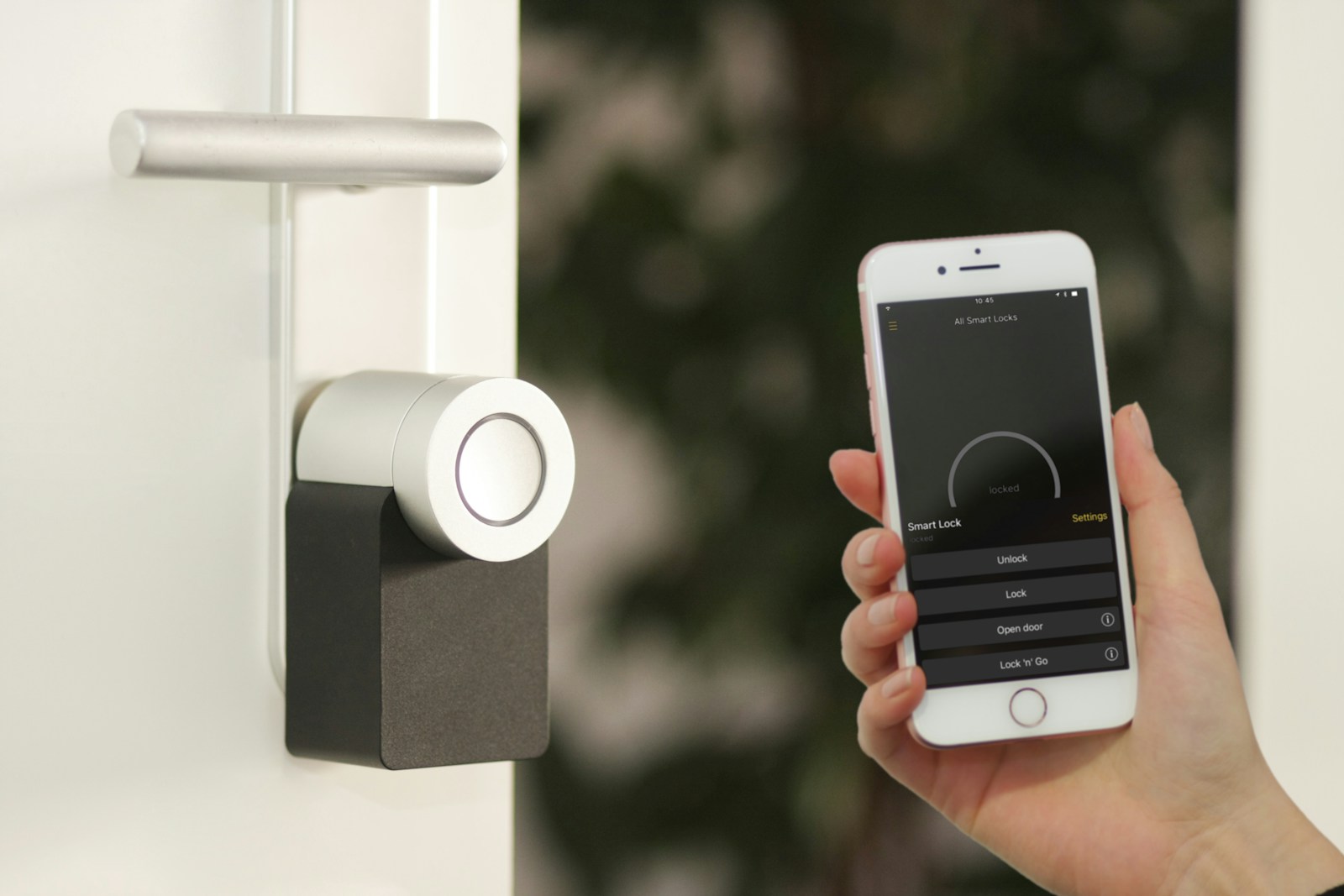
Transforming your regular house into a smart home doesn’t have to be complicated or expensive. With the right devices, you can create a connected living space that improves convenience, security, and energy efficiency. The five most popular smart home devices that experts recommend for beginners include video doorbells, smart thermostats, smart speakers with virtual assistants, smart lighting, and smart security cameras.
Getting started is easier than ever with user-friendly systems that work together seamlessly. Smart speakers like Amazon Echo and Google Nest Hub serve as control centers for your growing smart home ecosystem. These devices not only play music but also help manage other connected products throughout your home with simple voice commands.
Before diving in, it’s helpful to consider which smart home platform will work best for your needs. Some homeowners prefer Hubitat for its straightforward interface and local mesh connectivity, while others choose systems compatible with Apple HomeKit, Google Home, or Amazon Alexa depending on their existing devices and preferences.
Must‑Have Smart Home Devices to Start Building Your Dream Smart Home (2026 Guide)
Building a smart home no longer means futuristic luxury—it’s about comfort, security, efficiency, and convenience. Whether you’re upgrading one room or planning a fully connected house, choosing the right devices from the start makes all the difference.
This guide breaks down the essential smart home devices you should prioritize in 2026, helping you build a smart home that’s practical today and future‑ready tomorrow.
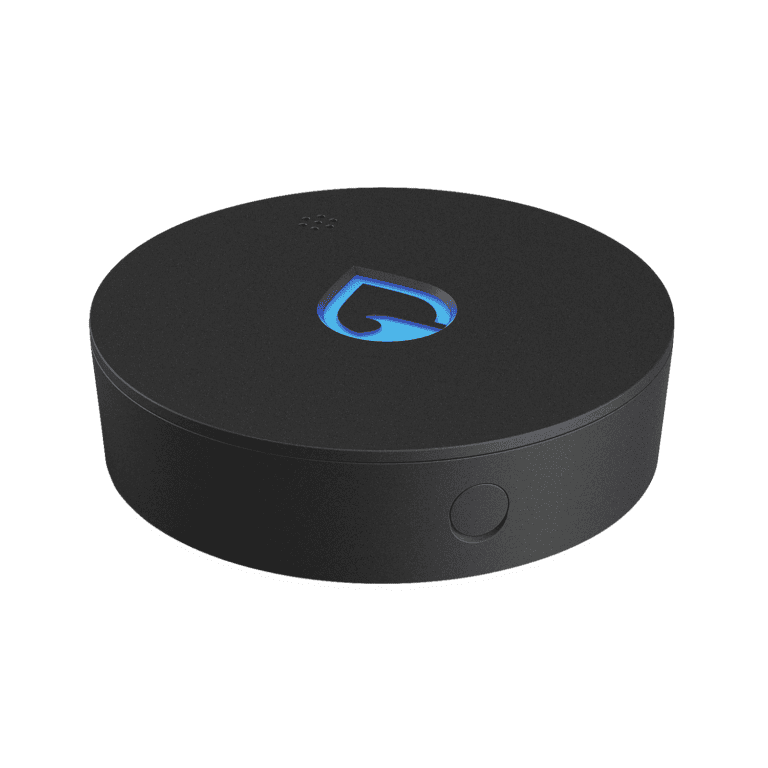
1. A Smart Home Hub (Your Control Center)
Before adding devices, you need a way to control them all.
Why It Matters
A smart home hub connects your devices into one ecosystem so they can communicate and automate together.
Popular Options:
- Voice assistants (Alexa, Google Assistant)
- Matter‑compatible hubs
- Smart displays for centralized control
✅ Pro Tip: Choose Matter‑supported devices to avoid brand lock‑in and ensure future compatibility.
2. Smart Lighting (The Easiest First Upgrade)
Smart lighting is often the gateway into smart homes—and for good reason.
Key Benefits:
- Control lights via app or voice
- Schedule lighting automatically
- Adjust brightness and color temperature
- Save energy
Where to Start:
- Living room
- Bedroom
- Entryways
Smart bulbs or smart switches both work—switches are ideal if multiple people use the home.
3. Smart Thermostat (Comfort + Energy Savings)
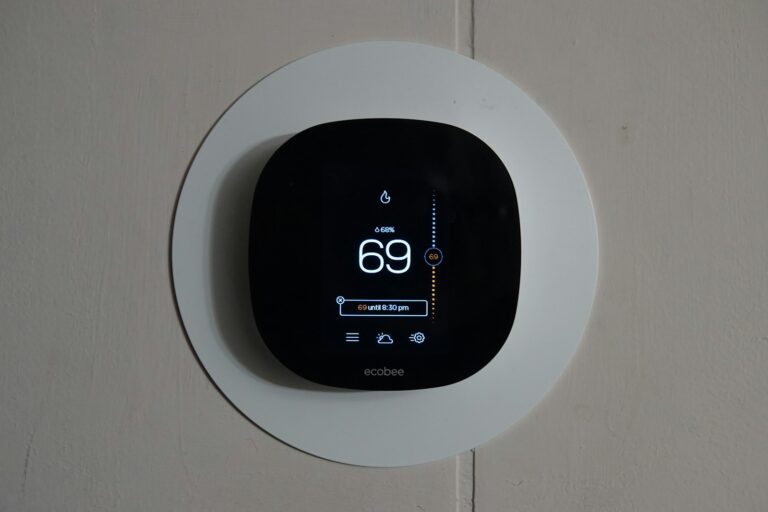
A smart thermostat learns your habits and adjusts temperature automatically.
Why It’s Essential:
- Reduces energy bills
- Remote control from your phone
- Works with sensors and schedules
- Environmentally friendly
In 2026, smart thermostats are among the highest ROI smart upgrades for homeowners and renters alike.
4. Smart Security Cameras & Doorbells
Security is one of the most popular reasons people go smart.
Must‑Have Features:
- HD or 2K video
- Motion alerts
- Night vision
- Two‑way audio
- Cloud or local storage options
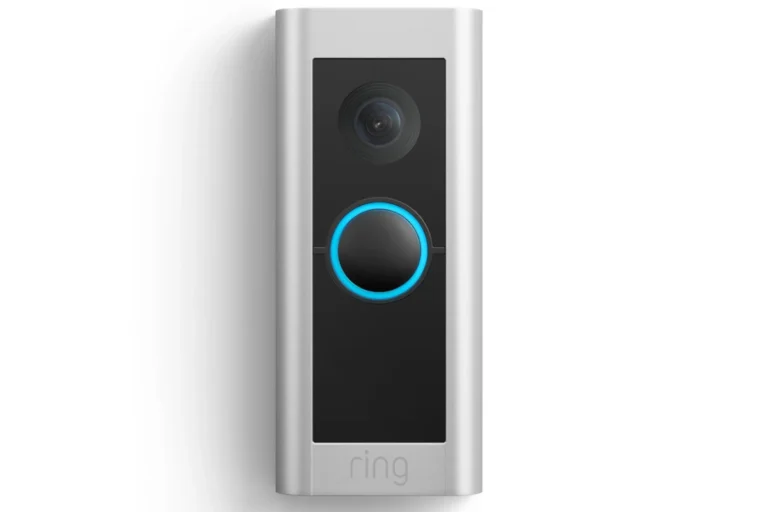
A smart video doorbell adds instant peace of mind—especially for package deliveries.
5. Smart Locks (Keyless Convenience)
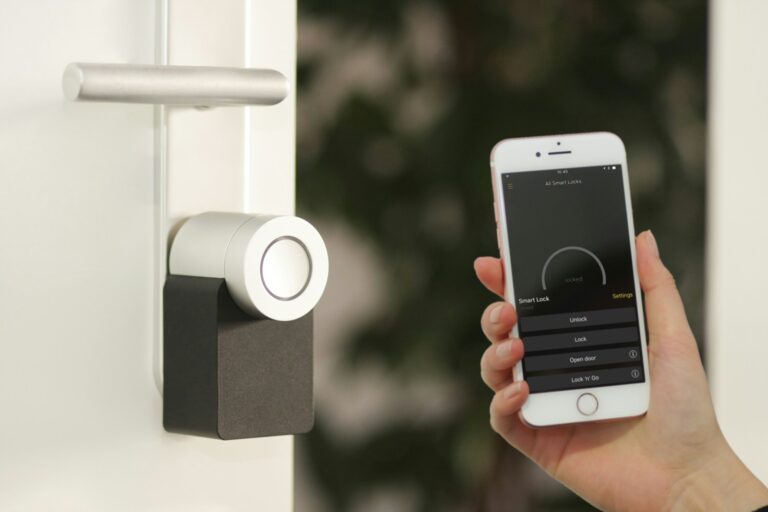
Smart locks make everyday life easier and safer.
What You’ll Love:
- Unlock with phone, code, or fingerprint
- Temporary access for guests or deliveries
- Auto‑lock features
- Activity logs
Perfect for families, renters, and anyone tired of losing keys.
6. Smart Plugs (Small Devices, Big Impact)
Smart plugs turn regular devices into smart ones.
Use Them For:
- Lamps
- Coffee makers
- Fans
- Holiday lights
They’re affordable, easy to install, and great for beginners.
7. Smart Speakers & Displays
Voice control ties your smart home together.
What They Do:
- Control smart devices hands‑free
- Set reminders and timers
- Play music and podcasts
- Act as smart home dashboards
Smart displays are especially useful in kitchens and home offices.
8. Smart Sensors (Automation Magic)
Sensors are what make a home truly “smart.”
Popular Sensor Types:
- Motion sensors
- Door and window sensors
- Temperature and humidity sensors
- Leak detectors
These allow automations like turning on lights when you enter a room or alerting you to water leaks before damage occurs.
9. Smart Wi‑Fi System (The Backbone)
A smart home is only as good as its internet connection.
Why Mesh Wi‑Fi Matters:
- Strong signal in every room
- Supports many connected devices
- Faster speeds and fewer dropouts
In 2026 homes, mesh Wi‑Fi systems are essential, especially for multi‑story houses.
10. Smart Appliances (Upgrade Over Time)
You don’t need to replace everything at once—but smart appliances add major convenience.
Popular Smart Appliances:
- Smart washers and dryers
- Smart refrigerators
- Smart ovens and air fryers
- Robot vacuums and mops
Start small and upgrade as your budget allows.
Recommended Smart Home Starter Setup
| Category | Best First Device |
|---|---|
| Control | Smart Hub or Voice Assistant |
| Lighting | Smart Bulbs or Switches |
| Climate | Smart Thermostat |
| Security | Smart Doorbell |
| Access | Smart Lock |
| Automation | Motion Sensors |
| Connectivity | Mesh Wi‑Fi System |
Smart Home Tips for Beginners
✅ Start with one ecosystem
✅ Prioritize Matter‑compatible devices
✅ Focus on daily convenience, not gimmicks
✅ Build slowly—automation comes later
✅ Secure your network with strong passwords
Final Thoughts: Build Smart, Not Complicated
Your dream smart home doesn’t need to be built overnight. Start with essential devices that improve daily life, then expand as your needs grow.
In 2026, the best smart homes are:
- Easy to use
- Secure
- Energy‑efficient
- Future‑proof
With the right foundation, your smart home will grow with you—room by room, device by device.
Key Takeaways
- Start with essential devices like smart speakers, video doorbells, and thermostats to build a foundation for your connected home.
- Choose compatible products that work with a single ecosystem to ensure seamless integration and simpler control.
- Focus on devices that improve everyday convenience, enhance security, and help manage energy usage for the best return on investment.
Fundamentals of Smart Home Technology
Smart home technology transforms ordinary houses into efficient, responsive living spaces through interconnected devices. At its core, a smart home uses the Internet of Things (IoT) to create systems that can be controlled remotely or work automatically.
The foundation of any smart home setup begins with a reliable Wi-Fi network. This network serves as the nervous system that allows devices to communicate with each other and with the homeowner.
A central hub or controller acts as the brain of the system. Popular options include smart speakers like Amazon Echo, Google Nest, or Apple HomePod that can manage multiple devices through voice commands.
Compatibility between devices is crucial when building a smart home. Many homeowners choose to stay within one ecosystem (Apple HomeKit, Google Home, Amazon Alexa) to ensure seamless integration.
Home automation relies on three key components:
- Sensors that detect changes in the environment
- Controllers that process information and send commands
- Actuators that perform physical actions like turning on lights
Modern smart homes can learn from user habits and adjust automatically. This means lights might dim at bedtime or the thermostat can adjust when it detects nobody is home.
Privacy and security deserve special consideration when setting up IoT devices. Each connected device represents a potential entry point for unauthorized access, making strong passwords and regular updates essential.
Starting with Smart Home Hubs and Assistants
Smart home control centers serve as the foundation of any connected home system, allowing devices to work together seamlessly and respond to your commands efficiently.
Smart Home Hubs
A smart home hub acts as the central command center for your connected devices. These hubs enable different products from various manufacturers to communicate with each other, even when they use different wireless protocols.
Hubitat is an excellent choice for beginners due to its straightforward interface and support for both ZWave and Zigbee local mesh networks. This means your devices will continue working even if your internet goes down.
Other popular hubs include Samsung SmartThings and Amazon’s Echo devices with built-in hub functionality. These systems allow users to create automated routines, such as having lights turn on when motion is detected or adjusting the thermostat at specific times.
When selecting a hub, consider:
- Compatibility with existing and planned devices
- Local processing capabilities
- User-friendly interface
- Reliability record
Voice Assistants
Voice assistants transform how people interact with their smart homes by enabling hands-free control through simple spoken commands.
The most popular options include Amazon Alexa and Google Assistant, with Apple’s HomeKit ecosystem (using Siri) gaining ground for those invested in Apple products.
The Amazon Echo Show 10 and Google Nest Hub Max are top recommendations for living room use. These devices combine voice assistant functionality with screens that display information, video calls, and smart camera feeds.
Voice assistants can:
- Control lights, thermostats, and other connected devices
- Answer questions and provide information
- Play music and podcasts
- Set timers and reminders
For beginners, starting with a basic Echo Dot or Nest Mini offers an affordable entry point to voice control before expanding to more advanced devices.
Smart Climate Control Devices
Managing your home’s temperature and air quality is easier than ever with smart climate control devices. These tools help save energy and keep your home comfortable year-round.
Smart Thermostats
Smart thermostats are the cornerstone of any climate-smart home. These devices learn your schedule and preferences to automatically adjust temperature settings for comfort and energy savings.
The Nest Learning Thermostat stands out with its ability to program itself after just one week of use. It tracks when you’re home or away and adjusts accordingly.
Ecobee models offer room sensors that detect occupancy and temperature in specific areas. This helps eliminate hot or cold spots throughout the house.
Most smart thermostats connect to voice assistants like Alexa or Google Home. This allows for hands-free temperature control with simple commands.
Energy savings are significant with these devices. Users typically save 10-15% on heating and cooling costs annually. Many utility companies even offer rebates for installing them.
Smart Fans and Air Conditioners
Beyond thermostats, smart fans and air conditioners provide targeted cooling solutions. These devices integrate with your home network for remote control and automation.
Smart ceiling fans can be programmed to adjust speed based on room temperature. Some models even reverse direction automatically for winter circulation.
Portable smart air conditioners offer flexibility for cooling specific rooms. Many include air quality monitoring and humidity control features for complete climate control.
Setting up schedules for these devices helps maximize efficiency. They can power down when nobody’s home and start cooling before you return.
Smart window AC units often include geofencing capabilities. This turns them off automatically when you leave a certain perimeter around your home, preventing wasted energy.
Most work with the same apps as your thermostat, creating a cohesive system for managing home climate from anywhere.
Smart Security for Peace of Mind
Modern home security technology offers powerful protection while being easier to use than ever before. Today’s smart security devices give homeowners control and awareness whether they’re in the bedroom or across the country.
Security Cameras and Systems
Smart security cameras have transformed home monitoring with features that go far beyond basic recording. Most modern cameras offer motion detection that sends instant alerts to your phone when movement is detected. Many models include two-way audio, allowing homeowners to speak with visitors or potential intruders.
For comprehensive protection, smart security systems often integrate multiple components:
- Indoor/outdoor cameras
- Motion sensors
- Window/door sensors
- Professional monitoring options
Video doorbells have become especially popular, allowing homeowners to see and speak with visitors without opening the door. These devices typically record all activity, creating a valuable security record.
Many systems now work with voice assistants like Alexa or Google Home, enabling commands like “show me the backyard camera” for quick status checks.
Smart Locks and Access Control
Smart locks eliminate fumbling for keys and provide flexible access options for family members and trusted visitors. Most models offer multiple entry methods, including:
- Keypad codes (customizable for different users)
- Smartphone proximity unlocking
- Voice assistant control
- Traditional key backup
Many smart locks track who enters and when, maintaining a digital log of all activity. Parents can receive notifications when children arrive home from school, and temporary access codes can be created for service providers.
For enhanced security, look for models with auto-locking features that secure the door after a set period. Integration with other smart devices allows for powerful automations, such as lights turning on when the door unlocks after dark.
Lighting and Energy Management
Modern smart homes shine brightest when they efficiently manage both lighting and energy consumption. These technologies not only enhance comfort but also help reduce utility bills through intelligent automation.
Smart Bulbs and Lighting Systems
Smart lighting transforms how homeowners interact with their living spaces. Products like Philips Hue and LIFX offer color-changing capabilities that can set the perfect mood for any occasion.
Most smart bulbs connect via WiFi or Bluetooth, allowing control through smartphone apps or voice assistants. Users can adjust brightness levels, change colors, and create custom lighting scenes for different activities.
The real magic happens with automation. Smart lights can be programmed to:
- Turn on gradually in the morning as natural alarm clocks
- Automatically activate when someone enters a room
- Dim in the evening to signal bedtime
- Flash when the doorbell rings or when weather alerts occur
Many systems also support geofencing, turning lights off when everyone leaves the house and on when the first person returns.
Energy Monitoring and Smart Plugs
Smart plugs convert ordinary appliances into intelligent devices by controlling their power supply. These small adapters fit between wall outlets and appliance plugs, enabling remote control and automation.
Beyond convenience, smart plugs track energy consumption, helping homeowners identify power-hungry devices. Many provide detailed reports showing electricity usage patterns and estimated costs.
Popular features include:
- Scheduling to turn devices on/off at specific times
- Away modes that randomly control lights to simulate occupancy
- Overload protection to prevent electrical issues
- Voice control integration with Alexa, Google Assistant, or Siri
Advanced energy monitoring systems can track whole-home electricity usage in real-time. These devices detect patterns and anomalies, alerting homeowners to potential issues like a refrigerator running inefficiently or a space heater left on accidentally.
When paired with smart thermostats, these systems create comprehensive energy management solutions that significantly reduce utility costs.
Entertainment and Convenience Devices
Modern smart home technology transforms entertainment experiences and adds convenience to daily life. These devices connect seamlessly with other smart home systems to create integrated experiences that save time and enhance enjoyment.
Smart TVs and Streaming Devices
Smart TVs have revolutionized how people consume content at home. Unlike traditional televisions, these internet-connected screens offer direct access to streaming services without additional hardware. Many newer models include voice control capabilities, allowing users to search for shows or adjust settings hands-free.
For older TVs, streaming sticks and boxes provide smart functionality at affordable prices. Popular options include:
- Amazon Fire TV Stick
- Roku Streaming Stick
- Apple TV
- Google Chromecast
These devices enable content casting from phones and tablets to the big screen. Some advanced models support 4K resolution and HDR content for superior picture quality.
Integration with other smart home devices allows for interesting automation possibilities. Users can create routines that dim lights when starting a movie or have the TV turn on automatically when arriving home.
Smart Speakers and Displays
Smart speakers serve as central command points for entertainment and home control. The Amazon Echo family and Google Nest speakers provide voice-activated assistance for playing music, answering questions, and controlling other smart devices.
Smart displays like the Echo Show and Google Nest Hub add visual elements to this experience. They shine in the kitchen for following recipes or in living areas for:
- Video calling with family
- Viewing security camera feeds
- Displaying photo slideshows
- Watching video content
Many users find these devices particularly useful for quick information like weather updates or calendar appointments. Their small footprints make them perfect for nightstands or countertops.
The best smart displays include motion sensors that can detect when someone enters a room, automatically adjusting their interfaces. This intelligent responsiveness makes them feel more intuitive than traditional devices.
Enhancing Home Living with Automation and Customization
Smart home automation transforms everyday routines into seamless experiences. Modern systems allow homeowners to create personalized environments that respond to their unique needs and preferences.
The foundation of an effective smart home ecosystem relies on compatible communication protocols. Z-Wave and Zigbee are two industry standards that enable devices to communicate without overwhelming your WiFi network.
Customization options extend beyond basic scheduling. Advanced platforms allow users to create conditional automations such as:
- Lights that adjust based on time of day
- Temperature changes triggered by occupancy
- Security systems that arm automatically when everyone leaves
- Entertainment settings that activate with voice commands
IFTTT (If This Then That) connects different smart devices and services through simple “recipes.” These connections enable cross-platform functionality even between normally incompatible brands.
Homeowners can now personalize environments for different family members. Children’s rooms might have simplified controls while tech-savvy adults can access more complex features.
The true value of home automation lies in its invisibility. When properly configured, a seamless smart home experience means systems anticipate needs without requiring constant input.
Energy efficiency improves dramatically with customized automation. Smart thermostats learn household patterns, while automated lighting ensures energy isn’t wasted in empty rooms.
Voice assistants serve as convenient control hubs, allowing natural language commands to trigger complex automation sequences throughout the home.
Additional Smart Home Considerations
Building a smart home goes beyond just selecting devices. You need to think about how everything fits together visually, ensures reliable connections, and keeps your family safe.
Design and Aesthetics
Smart home technology doesn’t have to clash with your interior design. Many manufacturers now offer devices in various finishes and styles to match your home’s aesthetic.
Blending Technology with Decor:
- Choose smart switches and outlets that match existing fixtures
- Look for fabric-covered speakers that complement furniture
- Consider recessed or flush-mounted options for a cleaner look
Hidden technology is becoming a luxury trend in smart homes. TV screens disguised as artwork, in-wall speakers with paintable covers, and under-cabinet lighting provide functionality without visual clutter.
Smart lighting can enhance your home’s ambiance dramatically. Color-changing bulbs and light strips can transform spaces for different activities or moods without requiring renovation.
Networking and Connectivity
A reliable network forms the backbone of any smart home setup. Without proper connectivity, even the most advanced devices become frustrating paperweights.
Network Requirements:
- Mesh Wi-Fi systems for whole-home coverage
- Dedicated 2.4GHz and 5GHz networks
- Wired ethernet connections for critical devices
Consider future-proofing with CAT6 wiring to every room when building or renovating. This provides flexibility for adding devices later without wireless congestion.
Smart hubs that support multiple protocols (Zigbee, Z-Wave, Matter) allow diverse devices to work together seamlessly. This prevents being locked into a single ecosystem and expands your options.
Backup power solutions like UPS (Uninterruptible Power Supplies) keep critical smart home infrastructure running during outages.
Safety and Health Devices
Smart safety devices provide protection and peace of mind beyond what traditional systems offer.
Smart smoke and carbon monoxide detectors send alerts to your phone when triggered, even when you’re away from home. Some can also identify which room detected the problem.
Essential Safety Devices:
- Smart smoke/CO detectors
- Water leak sensors
- Temperature monitors for freezing pipes
- Air quality monitors
Smart environmental monitors track indoor air quality, humidity, and temperature. They can trigger air purifiers or adjust HVAC systems automatically to maintain healthy living conditions.
Water leak detectors placed near appliances, water heaters, and bathrooms can detect leaks early and shut off water automatically. This prevents costly water damage and reduces insurance premiums for many homeowners.
Frequently Asked Questions
Smart homes offer convenience, efficiency, and security through interconnected devices. Many homeowners have questions about getting started with the right equipment and systems.
What are the essential devices needed to begin a smart home setup?
To start building a smart home, you’ll need a few fundamental devices. A smart speaker or hub serves as the command center for your system, allowing voice control and device management.
Smart lighting is another must-have element, offering convenience and energy savings. Smart thermostats rank high on the essentials list as they learn your preferences and help reduce energy bills.
Security devices like doorbell cameras and smart locks provide peace of mind. These allow homeowners to monitor and control access to their homes remotely.
Which smart home system is considered the best for new users?
For beginners, systems with user-friendly interfaces and simple setup processes excel. Amazon Alexa and Google Home offer accessible entry points with extensive device compatibility.
Apple HomeKit provides a seamless experience for those already in the Apple ecosystem. Home Assistant appeals to more technically inclined users seeking customization options.
The best system ultimately depends on existing devices and specific needs. Most beginners find success with mainstream options that offer straightforward mobile apps and voice control.
Which smart home automation devices offer the most value to homeowners?
Devices that enhance security, save energy, and increase convenience typically deliver the most value. Smart thermostats often pay for themselves through energy savings within two years.
Motion-activated lighting and automated blinds contribute to both security and efficiency. Smart speakers serve multiple functions including entertainment, information access, and device control.
Water leak detectors can prevent costly damage by alerting homeowners to problems early. These practical devices address real needs rather than just offering novelty.
What are the top-rated smart devices for home automation currently on the market?
The Nest Learning Thermostat consistently receives high ratings for its intuitive design and energy-saving features. Philips Hue lighting systems offer reliability and versatility for smart illumination.
Ring and Arlo security cameras lead in the video monitoring category. For smart speakers, the Amazon Echo and Google Nest Hub maintain strong reputations for performance and compatibility.
Smart locks from brands like August and Schlage combine security with convenience. These highly-rated products balance functionality, reliability, and user experience.
How can a smart home app enhance the functionality of my smart home devices?
A quality smart home app centralizes control of all connected devices through a single interface. This eliminates the need to switch between multiple manufacturer apps for different devices.
Apps enable custom automation routines that trigger multiple actions with a single command. For example, a “goodnight” routine might lock doors, turn off lights, and adjust the thermostat simultaneously.
Remote access through apps allows monitoring and control from anywhere with internet access. Users can make their homes more secure and efficient through thoughtful app configuration.
Can you provide examples of smart home technology that can be integrated into a beginner’s smart home?
Video doorbells represent an accessible entry point, offering security benefits with straightforward installation. Smart plugs transform ordinary appliances into connected devices without requiring replacement.
Voice-controlled assistants like Amazon Echo or Google Nest Mini provide an intuitive way to manage other devices. Smart lighting systems with color-changing capabilities add both functionality and ambiance.
Robotic vacuums automate cleaning tasks while integrating with voice assistants and home routines. These technologies introduce automation benefits without overwhelming technical complexity.