
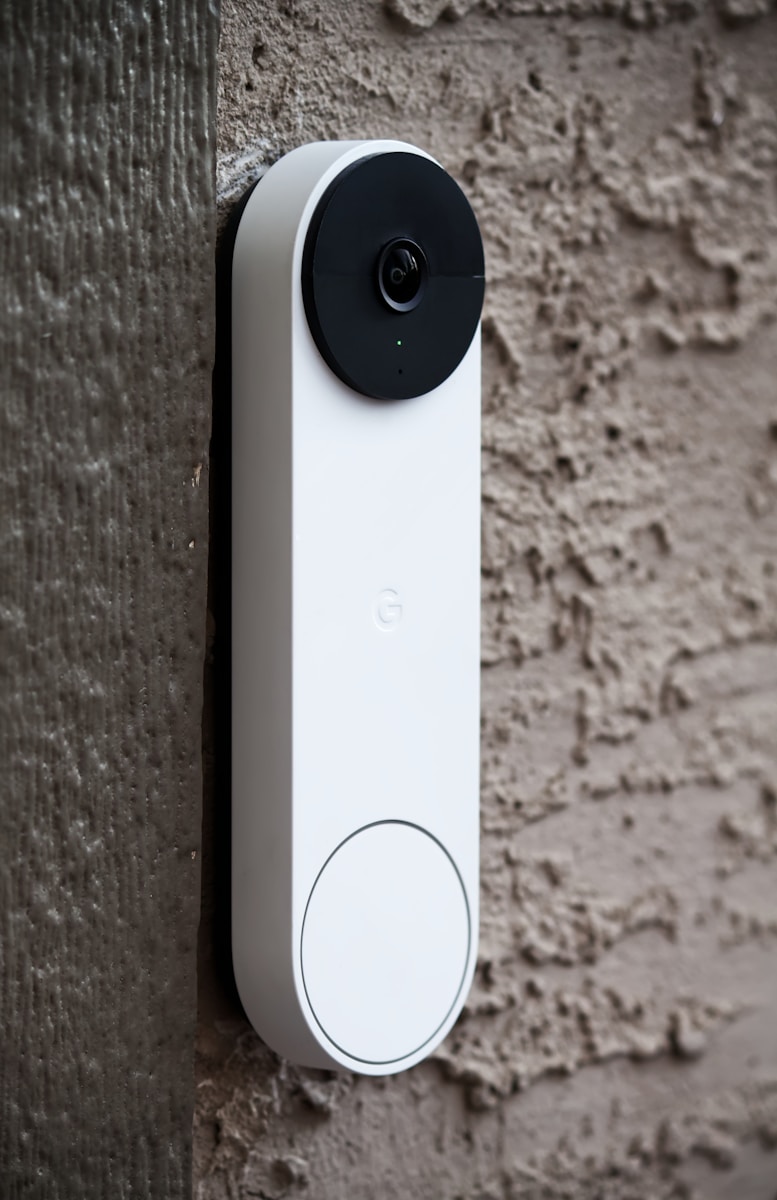
Choosing between Ring and Nest for your home security needs can feel overwhelming with so many features to consider. Both systems offer video doorbells and cameras that help protect your property, but they differ in important ways that might make one a better fit for your specific situation. While Ring offers a more complete home security system with various sensors and monitoring options, Nest excels with superior camera quality and smart features for those primarily focused on video surveillance.
When comparing these popular smart home platforms, it’s worth noting that Google Nest no longer offers a full security system like Ring does. However, Nest cameras are often praised for their excellent video quality and advanced AI capabilities. Ring, owned by Amazon, provides more affordable options and seamless integration with Alexa devices, making it appealing for those already invested in the Amazon ecosystem.
Nest vs Ring: Homeowner Comparison Guide (2026)
Choosing between Google Nest and Ring can be challenging for homeowners looking to improve security, convenience, and smart‑home automation. Both brands offer video doorbells, security cameras, alarms, and subscriptions—but they differ in ecosystem, pricing, privacy approach, and long‑term value.
This guide breaks everything down clearly and includes a side‑by‑side comparison table to help you decide which system is best for your home.
Overview: Nest vs Ring
Google Nest (by Google)
Nest focuses on smart automation, AI‑powered alerts, and deep Google ecosystem integration. It’s ideal for homeowners already using Google Assistant, Android phones, or Google Home devices.
Ring (by Amazon)
Ring is centered around home security and affordability, with strong Amazon Alexa integration and a broad range of budget‑friendly devices.
Nest vs Ring Comparison Table
| Feature | Google Nest | Ring |
|---|---|---|
| Parent Company | Amazon | |
| Best For | Smart home automation | Home security on a budget |
| Video Doorbells | Yes | Yes |
| Indoor Cameras | Yes | Yes |
| Outdoor Cameras | Yes | Yes |
| Battery Options | Limited | Extensive |
| Smart Assistant | Google Assistant | Amazon Alexa |
| Cloud Storage | Google Nest Aware | Ring Protect |
| Local Storage | ❌ No | ❌ No |
| Facial Recognition | ✅ Yes (Nest Aware) | ❌ No |
| Motion Detection | AI‑based | Motion zones |
| Professional Monitoring | ✅ Yes | ✅ Yes |
| Monthly Cost | Higher | Lower |
| Privacy Controls | Strong | Moderate |
| Ease of Setup | Very easy | Very easy |
| Best Mobile App | Clean & smart | Feature‑rich |
Camera and Video Quality
Nest
- High‑quality video (up to 1080p HDR)
- Superior AI‑based detection (people, animals, vehicles)
- Familiar face recognition with Nest Aware
- Fewer battery‑powered options
Ring
- 1080p video across most devices
- Good night vision
- Wide selection of battery‑powered cameras
- No facial recognition
✅ Winner: Nest (better AI and smarter alerts)
Smart Home Integration
Nest
- Seamless with Google Home
- Excellent for Android users
- Integrates with Nest Thermostat, displays, and speakers
Ring
- Best with Amazon Alexa
- Strong Echo Show integration
- Limited support outside Amazon ecosystem
✅ Winner: Tie (depends on your smart assistant preference)
Security and Monitoring
Nest Secure
- Professional monitoring available
- Works well with Google ecosystem
- Fewer hardware options
Ring Alarm
- One of the most affordable monitored systems
- Includes motion sensors, contact sensors, keypad
- Simple DIY installation
✅ Winner: Ring (better value and expandability)
Subscription Plans Compared
Nest Aware
- Starts higher monthly
- Includes intelligent alerts
- Familiar face detection
- Event history and video clips
Ring Protect
- Lower monthly cost
- Covers unlimited Ring devices at one location
- Includes professional monitoring option
✅ Winner: Ring (lower cost, better coverage)
Privacy and Data Handling
Nest
- Strong encryption
- Advanced privacy controls
- Clear data usage policies
- Facial recognition can be disabled
Ring
- Past concerns over data sharing
- Improved privacy settings
- End‑to‑end encryption available (optional)
✅ Winner: Nest (better overall privacy transparency)
Ease of Installation and Use
Both systems:
- Are DIY‑friendly
- Offer step‑by‑step mobile setup
- Require no professional installation
Nest’s app feels cleaner, while Ring’s app offers more control options.
✅ Winner: Tie
Pricing and Value
Nest
- Higher upfront device cost
- Higher subscription fees
- Premium features and AI
Ring
- Lower device pricing
- Frequent discounts
- Budget‑friendly subscriptions
✅ Winner: Ring (better affordability)
Pros and Cons Summary
Google Nest Pros
- Smarter alerts and AI
- Strong Google ecosystem
- Excellent app experience
- Better privacy controls
Google Nest Cons
- Higher cost
- Limited battery options
- Subscription required for full features
Ring Pros
- Affordable devices
- Excellent battery‑powered options
- Cheap monitoring plans
- Ideal for renters and DIY users
Ring Cons
- No facial recognition
- Weaker AI detection
- Privacy concerns (improving)
Which Is Better for Homeowners?
Choose Nest If You:
- Use Google Home or Android
- Want intelligent alerts and AI
- Value privacy and automation
- Prefer a premium smart home experience
Choose Ring If You:
- Want affordable home security
- Use Alexa devices
- Need battery‑powered cameras
- Prefer lower monthly fees
Final Verdict: Nest vs Ring
There is no universal winner—only the best choice for your home.
- Nest excels at smart features, AI, and automation
- Ring wins on price, flexibility, and security value
Key Takeaways
- Ring provides more comprehensive home security with complete systems, while Nest offers superior video quality for those primarily interested in cameras.
- The choice between platforms often depends on which smart home ecosystem you already use—Amazon (Ring) or Google (Nest).
- Both systems offer video doorbells with two-way communication, but differ in storage options, subscription costs, and installation requirements.
Understanding Smart Home Security
Smart home security has transformed how homeowners protect their properties, offering convenience and peace of mind through connected devices. These systems provide real-time monitoring and alerts, making home protection more accessible than ever before.
Evolution of the Smart Home
The concept of smart homes has evolved dramatically over the past decade. What began with simple programmable thermostats has expanded into fully integrated security ecosystems. Early systems were expensive and required professional installation, limiting their adoption to tech enthusiasts and luxury homeowners.
Today’s smart home security is more accessible and user-friendly. The technology has become mainstream with the introduction of DIY options like Ring and Nest doorbell cameras. These systems connect to home WiFi networks and allow homeowners to monitor their properties from anywhere.
The industry has seen rapid growth as more consumers recognize the benefits of connected security devices. Integration with voice assistants like Alexa and Google Home has further simplified how people interact with their security systems.
Key Features of Smart Home Security Systems
Modern smart home security systems offer several essential features that distinguish them from traditional alarm systems:
Remote Monitoring: View live camera feeds and receive alerts on smartphones or tablets no matter where you are.
Motion Detection: Advanced sensors can distinguish between people, animals, and vehicles, reducing false alarms.
Two-way Communication: Many devices like video doorbells allow homeowners to speak with visitors without opening the door.
Smart Integration: Systems connect with other devices like smart locks, lights, and thermostats for comprehensive home automation.
Cloud Storage: Video footage is securely stored online for later review, though subscription plans may be required for extended storage.
Customizable Alerts: Receive notifications for specific events such as package deliveries or unexpected motion in designated areas.
Unlike traditional security systems, smart home security doesn’t require complex wiring or professional monitoring services, though these options are available for homeowners seeking additional protection.
Comparing Nest and Ring Platforms
When choosing a smart security system, understanding the platforms behind Nest and Ring can help homeowners make better decisions. These two giants offer different ecosystems with unique strengths tied to their parent companies and integration capabilities.
Company Backgrounds: Google Nest and Amazon Ring
Google purchased Nest in 2014 for $3.2 billion, integrating it into their growing smart home strategy. Nest began with smart thermostats but expanded to include security cameras, doorbells, and complete home security systems. The company focuses on sleek design and advanced AI features.
Amazon acquired Ring in 2018 for approximately $1 billion. Ring started with video doorbells and grew to offer a comprehensive security lineup including cameras, alarm systems, and lighting products. Ring products typically emphasize neighborhood security features and community alerts.
Both companies leverage their parent corporations’ vast resources and technological capabilities. Google’s AI expertise shows in Nest’s smart detection features, while Amazon’s logistics network helps Ring offer competitive pricing and fast shipping options.
Smart Ecosystem Compatibility: Google Home vs. Amazon Alexa
Nest devices integrate seamlessly with Google Assistant and the Google Home app. This connection lets users control devices with voice commands through Google speakers, display camera feeds on Nest Hubs, and create routines combining multiple smart home actions.
Ring products work perfectly with Amazon’s Alexa ecosystem. Users can view Ring camera feeds on Echo Show devices, receive announcements through Echo speakers when someone rings the doorbell, and control their security system with voice commands.
Cross-platform compatibility exists but is limited. Some Ring devices work with Google Assistant for basic functions, while certain Nest products offer minimal Alexa support. For the best user experience, homeowners should consider which voice assistant they prefer.
Smart home integration extends beyond voice assistants. Nest connects well with Google’s broad partner network, while Ring integrates with Amazon’s growing selection of smart home products and Works with Ring certified devices.
Video Doorbell Technologies
Modern video doorbells combine security features with smart home convenience, transforming how homeowners monitor their entrances. These devices offer varying levels of video quality, night vision capabilities, and detection features that can significantly impact your home security experience.
Understanding Video Quality in Doorbell Cameras
Video quality is a crucial factor when choosing between doorbell cameras like Ring and Nest. The resolution determines how clear and detailed your footage will be. Most doorbell cameras offer 1080p HD resolution, while premium models may provide 2K or even 4K quality.
The field of view also matters significantly. Ring doorbell cameras typically offer horizontal fields of view between 150-180 degrees, while Nest doorbells feature a 145-degree diagonal view. This difference affects how much of your porch area the camera can capture.
HDR video capabilities are another important consideration. Nest doorbell cameras excel with HDR technology that helps balance lighting in challenging conditions like bright sunlight or shadows. This prevents overexposure and ensures faces remain identifiable even in difficult lighting.
Aspect ratio differs between brands as well. Nest’s 4:3 aspect ratio shows more vertical space (helpful for seeing packages), while Ring’s 16:9 provides a wider but shorter view.
The Importance of Night Vision Capabilities
Night vision functionality ensures your doorbell camera remains effective around the clock. Most video doorbells use infrared night vision with LED illuminators that capture black and white footage in darkness.
The Nest video doorbell offers color night vision on some models, providing more detail than standard infrared imaging. Ring doorbell cameras primarily use infrared night vision, though newer models incorporate color night vision with sufficient ambient lighting.
The effective range of night vision varies between models. Premium doorbell cameras typically provide clearer images at greater distances than budget options. This range can be particularly important for homes with larger front areas.
Light sensors in these devices automatically switch between day and night modes. The transition quality affects how smoothly your doorbell adapts to changing light conditions at dusk and dawn.
Motion Detection and Package Detection Features
Advanced motion detection capabilities help reduce false alerts while ensuring you capture important activity. Ring doorbells offer customizable motion zones, allowing you to focus detection on specific areas like your walkway while ignoring busy streets.
Nest doorbell cameras include sophisticated package detection that can specifically identify when deliveries arrive and remain on your porch. Some Nest models can even distinguish between people, vehicles, animals, and packages without requiring subscription services.
Response time varies between brands. According to some users, Nest cameras respond faster than Ring models, beginning recording more quickly when motion is detected. This can be crucial for capturing package thieves who might grab items quickly.
Pre-buffered recording is another valuable feature. Some video doorbells capture several seconds before motion triggers an alert, ensuring you don’t miss the beginning of an event. This feature typically requires a paid subscription with both Ring and Nest systems.
Integration with Additional Security Features
Both Ring and Nest systems extend beyond doorbell functionality to create comprehensive home security ecosystems. These integrations work together to provide homeowners with enhanced protection and convenience.
The Role of Security Cameras Beyond the Doorbell
Security cameras form the backbone of both Ring and Nest ecosystems, offering surveillance beyond your front door. Ring provides a wider variety of camera options, including indoor cameras, outdoor cameras, and spotlight cameras that activate when motion is detected.
Nest cameras generally offer more advanced features and technology, including superior video quality and intelligent alerts that can distinguish between people, animals, and vehicles. This reduces false notifications and makes monitoring more efficient.
Both systems allow users to view multiple camera feeds from a single app, creating a unified security experience. Camera footage can be stored in the cloud, though both companies require subscription plans for extended storage capabilities.
Ring cameras tend to be more affordable initially, but Nest’s advanced AI capabilities might justify the higher price point for those seeking smarter security monitoring.
Smart Locks and Access Control
Smart locks integrate seamlessly with both Ring and Nest systems, enabling homeowners to control access remotely. Ring’s compatible smart locks work through the Ring app, allowing users to lock or unlock doors from anywhere.
Nest integrates with the Yale x Nest lock, creating a smooth experience within the Google Home ecosystem. This integration offers benefits like controlling the doorbell through Google Assistant and managing access through the same interface as other Nest devices.
Both systems provide:
- Remote locking/unlocking capabilities
- Temporary access codes for visitors or service providers
- Activity logs to track entries
- Notifications when doors are locked or unlocked
These smart lock integrations enhance convenience while maintaining security, eliminating concerns about lost keys or forgetting to lock up when leaving home.
Smoke Detectors and Carbon Monoxide Alarms
Safety monitoring extends to environmental hazards through specialized devices. Nest Protect stands out as an advanced smoke and carbon monoxide detector that integrates directly with the Nest ecosystem.
Nest Protect offers:
- Voice alerts that specify the type and location of danger
- Mobile notifications when smoke or CO is detected
- Self-testing capabilities to ensure proper functioning
- Pathlight feature that illuminates walkways at night
Ring offers fewer direct options in this category but works with third-party smoke and CO detectors through Ring Alarm integration. The Ring Alarm Smoke and CO Listener can detect standard alarm sounds and send alerts through the Ring system.
Integrating these smart features enhances your home’s safety by providing immediate alerts about potential dangers, even when homeowners are away. This comprehensive approach creates a more complete security system beyond just intrusion prevention.
Options for Video Storage and Retrieval
Video storage is a critical aspect when choosing between Ring and Nest security systems. The way your footage is stored affects both accessibility and additional costs beyond the initial device purchase.
Cloud Storage Solutions: Benefits and Drawbacks
Both Ring and Nest rely primarily on cloud storage for video recordings. Ring’s subscription plan provides comprehensive video storage options, while Nest offers similar cloud-based solutions through Nest Aware.
With cloud storage, footage is automatically uploaded to secure servers. This provides several advantages:
- Remote access to footage from anywhere
- Backup protection if your device is damaged or stolen
- Advanced AI features like person detection and activity zones
However, cloud storage comes with ongoing costs. Ring and Nest have different pricing tiers based on how long you want to store footage. Without a subscription, most Ring and Nest devices offer only limited live viewing with no recording capabilities.
Nest typically provides higher video quality storage, especially in low-light conditions, but this quality comes at a premium price point.
Local Storage Alternatives: MicroSD and Beyond
While both systems emphasize cloud storage, local storage options exist, particularly for budget-conscious homeowners. These solutions store video directly on the device or a connected storage unit.
Some key local storage options include:
- MicroSD cards: Not natively supported by Ring or standard Nest cameras
- Network Attached Storage (NAS): For more tech-savvy users
- Third-party adapters: That enable local storage on otherwise cloud-only systems
The main benefits of local storage include:
- One-time cost rather than recurring subscriptions
- Privacy control as footage stays within your home
- No internet dependency for basic recording functions
The downside is limited remote access and fewer smart features. Ring has been slower to adopt local storage options compared to some competitors in the market.
For homeowners concerned about subscription costs, checking for local storage compatibility before purchase is essential.
Enhancing Communication with Two-Way Audio
Both Ring and Nest doorbells offer two-way audio features that transform how homeowners interact with visitors. This technology enables real-time conversations whether you’re home or away.
Benefits of Two-Way Talk in Video Doorbells
Two-way audio in video doorbells creates a seamless communication channel between homeowners and visitors. This feature allows users to speak with delivery personnel, friends, or unexpected visitors without opening the door, enhancing convenience and security.
Ring cameras provide clear two-way audio that lets homeowners give specific instructions to delivery drivers or greet guests from anywhere. The audio quality is designed to work well even in noisy outdoor environments.
Nest doorbells feature advanced two-way talk capabilities with noise cancellation technology that helps filter out background sounds like traffic or wind. This makes conversations clearer and more natural.
Both systems send immediate notifications when someone rings the doorbell, allowing homeowners to quickly respond through their smartphone app. This functionality is particularly valuable for:
- Instructing package deliveries
- Deterring potential intruders
- Communicating with visitors when you’re unavailable
- Managing home services remotely
The audio feature works through Wi-Fi connectivity, ensuring homeowners can communicate with visitors from anywhere with internet access.
Considerations for Power and Connectivity
The functionality of your smart doorbell depends greatly on its power source and network connection. These technical aspects determine reliability, installation complexity, and maintenance requirements for both Ring and Nest devices.
Wired vs. Battery-Powered Doorbells
Ring offers more flexibility with power options compared to Nest. The Ring Battery Doorbell Plus can run exclusively on battery power, making it ideal for homes without existing doorbell wiring. Its battery typically lasts 3-6 months between charges, depending on usage and settings.
Nest doorbells generally require hardwiring, though they now offer a battery model. Wired doorbells provide these advantages:
- Continuous recording without power interruptions
- No need to recharge batteries
- Faster wake-up and notification times
Battery-powered options offer:
- Easier installation without electrical work
- Placement flexibility anywhere around your home
- Power during outages (though Wi-Fi may still be affected)
Ensuring Reliable Wi-Fi and Connectivity
Both Ring and Nest doorbells require strong Wi-Fi signals to function properly. A weak connection leads to delayed notifications, poor video quality, and missed events.
Ring doorbells connect to 2.4GHz networks only, while Nest supports both 2.4GHz and 5GHz bands. The 5GHz option provides faster data transmission when the signal is strong, but 2.4GHz offers better range.
For optimal performance:
- Position your router centrally in your home
- Consider a Wi-Fi extender if your doorbell is far from the router
- Check signal strength using the Ring or Nest app before installation
Network speed requirements vary based on video quality settings. Higher resolution videos (1080p or above) require faster internet speeds, typically at least 2 Mbps upload speed for reliable performance.
Enhanced Features for Homeowner Convenience
Both Ring and Nest offer advanced features that make home security more manageable and effective for everyday use. These smart doorbells integrate seamlessly with other home devices while providing robust protection against various environmental conditions.
Smart Alerts and Facial Recognition
Nest doorbell cameras excel with their facial recognition technology, identifying familiar faces and sending personalized alerts when specific people approach your door. This feature reduces false notifications and helps homeowners know exactly who’s visiting.
Ring focuses on customizable motion sensors with adjustable zones that let users define specific monitoring areas. This prevents unnecessary alerts from passing cars or swaying trees. Both systems send instant smartphone notifications, but Nest’s ability to distinguish between people, packages, and animals gives it an edge in intelligent detection.
The Nest video doorbell Pro offers continuous 24/7 recording options with a subscription, while Ring provides event-based recording. For families wanting to monitor deliveries or children arriving home, these smart alerts provide peace of mind and practical convenience.
Weather-Proofing and Durability Concerns
Both Ring and Nest doorbells are designed to withstand various weather conditions, but their durability features differ slightly. Ring doorbells typically operate in temperatures ranging from -5°F to 120°F, making them suitable for most North American climates.
Nest doorbells feature slightly better weather-proofing with operating temperatures from -4°F to 122°F and higher water-resistance ratings. This makes them marginally more suitable for extremely humid or rainy environments.
Construction quality also varies between models. Higher-end versions from both brands utilize weather-resistant materials like reinforced plastics and metal casings that protect against:
- UV damage from direct sunlight
- Heavy rain and snow exposure
- Dust and debris infiltration
For coastal areas or regions with extreme weather, investing in protective faceplates or shelters can extend the lifespan of either doorbell system.
Brand-Specific Offerings
Both Nest and Ring provide unique product ecosystems with distinct features that appeal to different homeowner needs. Their specialized offerings address various aspects of home security and automation.
Exploring Unique Features of Nest Products
The Nest Hello video doorbell stands out with its facial recognition technology that can identify familiar faces and announce visitors by name when paired with Google speakers. This doorbell offers 24/7 continuous recording with a Nest Aware subscription, unlike Ring’s motion-based recording.
The Nest Protect smoke and carbon monoxide detector brings innovation to a traditionally basic home device. It performs self-tests, distinguishes between fast and slow-burning fires, and sends alerts to your phone with specific information about the emergency.
Google Nest Cam products feature superior image quality with HDR capabilities for clearer footage in varying light conditions. These cameras integrate seamlessly with Google’s ecosystem, allowing voice control through Google Assistant.
Nest devices generally offer more advanced AI features but typically come at a higher price point than comparable Ring products.
Ring’s Exclusive Devices and Services
The Ring Video Doorbell series offers more variety in price points and installation options than Nest, with both hardwired and battery-powered models available. This flexibility makes Ring doorbells accessible for different home setups and budgets.
Ring’s Neighbors app creates a community security network where users can share and view local safety alerts. This unique social component extends the value of Ring devices beyond individual property monitoring.
The Ring Floodlight Cam combines powerful LED floodlights with a security camera and siren, creating an all-in-one deterrent system. These devices feature customizable motion zones and schedules to reduce false alerts.
Ring also offers more affordable professional monitoring services compared to most competitors. Their Ring Protect plans start at lower price points while still providing essential security features.
Ring products especially excel in outdoor security applications with weather-resistant designs and specialized features for perimeter protection.
Aesthetics and Design Elements in Choice
The look and feel of your smart doorbell can significantly impact your home’s curb appeal. Both Ring and Nest offer distinct design approaches that cater to different homeowner preferences.
Matching Doorbells with Home Exteriors
Ring doorbells feature a more utilitarian design with rectangular shapes and practical finishes. They come in various colors including Venetian Bronze, Satin Nickel, and classic Black, making it easier to match with existing door hardware. The Ring Video Doorbell Pro has a slimmer profile that works well with narrower door frames.
Nest doorbells, on the other hand, offer a more aesthetically pleasing design with curved edges and premium materials. The Nest Hello (now Google Nest Doorbell) has a sleeker, more modern appearance that many homeowners find attractive. Its oval shape and minimalist approach blend well with contemporary home exteriors.
When selecting between the two, consider your home’s architectural style. Traditional homes often pair better with Ring’s classic designs, while modern homes complement Nest’s minimalist approach.
Customization and Accessories
Ring offers more customization options overall. Homeowners can purchase:
- Interchangeable faceplates
- Angle mounts for better viewing
- Solar chargers for battery models
- Protective cases and weather shields
These accessories allow Ring users to adapt their doorbells to specific installation challenges or personal style preferences without replacing the entire unit.
Nest provides fewer accessories but focuses on quality of design in their core products. Their limited customization options include:
- Decorative trim plates
- Wedge mounts for angled installations
- Wired and battery-powered options
While Nest may offer fewer add-ons, their products are designed with attention to detail that many homeowners appreciate. The built-in quality often means less need for additional accessories to improve appearance.
Frequently Asked Questions
Homeowners comparing Ring and Nest security systems often have specific questions about features, costs, and performance. These popular smart home security brands differ in several key areas that can impact your decision.
What are the main differences between Ring and Nest home security systems?
Ring and Nest offer different approaches to home security. Ring focuses on affordable DIY solutions with flexible equipment options and professional monitoring starting at $20 per month.
Nest provides more advanced features and better integration with Google products. While Ring is owned by Amazon, making it ideal for households using Alexa devices.
Nest systems are generally considered more premium with higher quality components, but at a higher price point than Ring’s more budget-friendly options.
What are the subscription costs associated with Ring and Nest?
Ring offers subscription plans starting at around $4/month for basic video recording for a single device, with their comprehensive protection plan at approximately $20/month which includes professional monitoring.
Nest Aware subscriptions begin around $6/month for basic video history. Unlike Ring, Nest does not offer professional monitoring services directly, though they previously partnered with Brinks for this service.
Both companies require subscriptions to access recorded video history and advanced features, though basic live viewing is available without a subscription.
How do Ring and Nest doorbells compare in terms of installation and features?
Both Ring and Nest offer wired and battery-powered doorbell options. Ring doorbells tend to be easier to install, especially the battery-powered versions which require no wiring.
Nest doorbells generally provide superior video quality and more advanced AI features such as package, person, and familiar face detection. Some users report that Nest is significantly better at capturing important events like package deliveries or potential theft.
Ring doorbells excel with their wider range of models at various price points and better integration with Amazon’s ecosystem.
What are the advantages and disadvantages of wired vs wireless options for Ring and Nest?
Wired doorbells and cameras from both brands provide constant power without battery concerns, allowing for continuous recording and more consistent performance. Installation is more complex and may require professional help.
Wireless battery-powered options offer easier installation and flexibility in placement. They can be installed almost anywhere without wiring constraints.
Battery-powered devices require regular recharging (typically every few months) and may have limitations on recording duration to preserve battery life.
How do the Ring and Nest outdoor cameras differ in functionality and performance?
Nest outdoor cameras typically offer higher video quality with clearer 4K options and more sophisticated AI detection features. They integrate seamlessly with other Google smart home products.
Ring cameras provide more affordable options with decent quality video and simpler motion detection. Their integration with Amazon devices makes them appealing for Echo users.
Weather resistance is comparable between the brands, but Nest generally offers better night vision capabilities and more accurate alerts.
What are the considerations when choosing between the Ring Floodlight Cam and the Nest equivalent?
The Ring Floodlight Cam typically costs less than Nest’s floodlight options, making it more budget-friendly for homeowners concerned about price. It offers customizable motion zones and works well within the Ring ecosystem.
Nest’s floodlight cameras provide more intelligent detection capabilities, distinguishing between people, animals, and vehicles with greater accuracy. The lighting is often brighter and more adjustable.
Installation complexity is similar for both, requiring existing wiring for proper function. Consider which smart home ecosystem (Google or Amazon) you primarily use when making this decision.