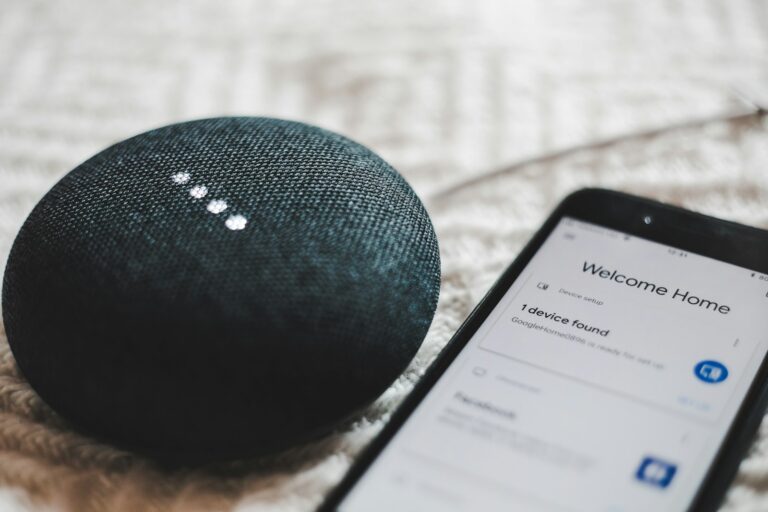
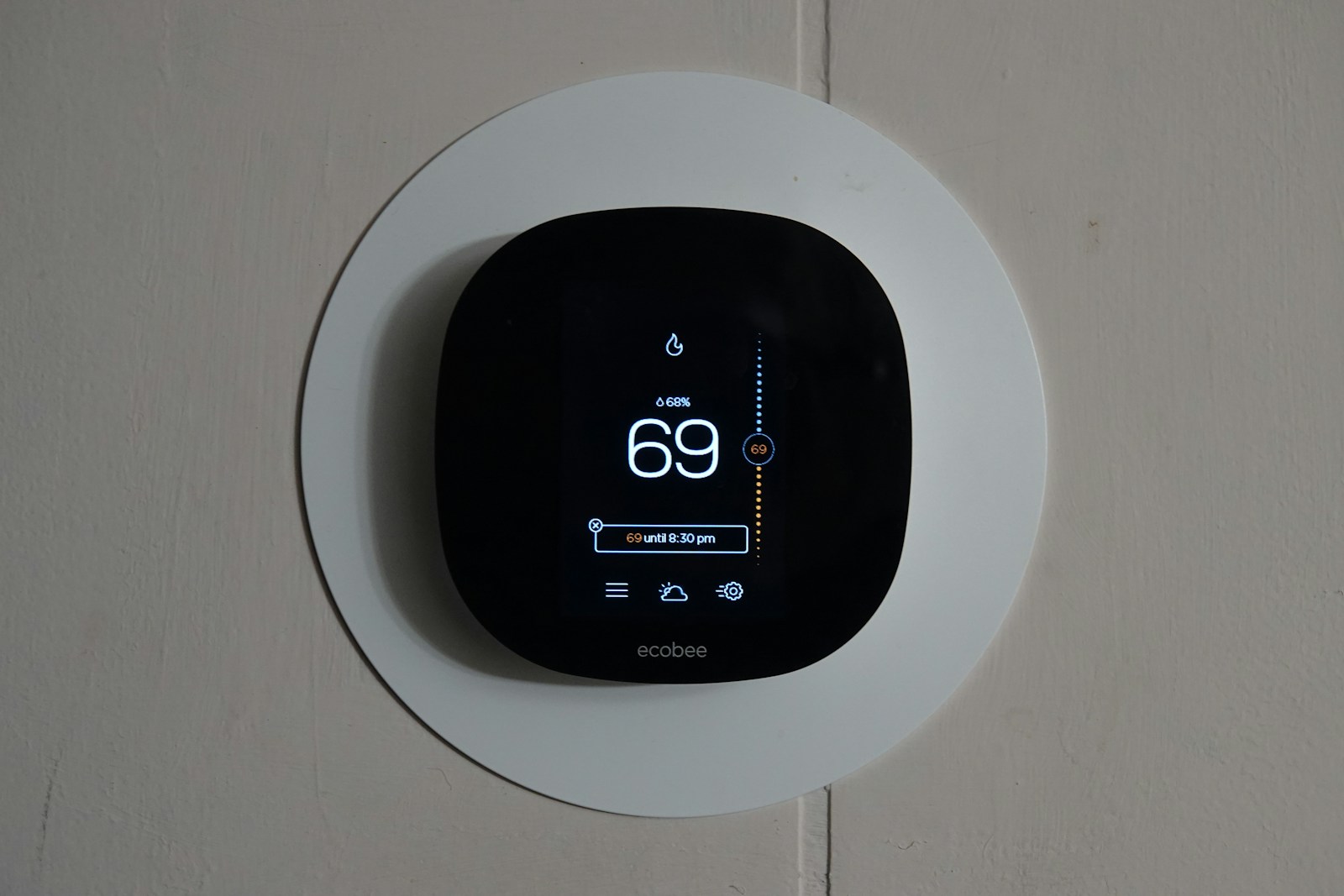
Smart thermostats have evolved far beyond simple temperature control devices. These smart home gadgets can now talk to voice assistants, play music, and even use smart cameras as sensors to adjust your home’s comfort. Smart thermostats offer intelligent features that monitor your HVAC system 24/7, sending alerts when problems arise and optimizing energy usage based on your habits and preferences.
Many homeowners are surprised to learn their smart thermostat can catch intruders and save energy automatically while they’re away. These devices learn family routines and adjust temperatures accordingly, without requiring constant manual adjustments. Some models can even detect which rooms are occupied and adjust cooling or heating patterns based on sun exposure throughout the day.
Surprising Things a Smart Thermostat Can Do Beyond Just Temperature Control
Most people think of smart thermostats as glorified temperature dials, but these intelligent devices have evolved far beyond their basic function. If you’re only using yours to heat and cool your home, you’re missing out on a wealth of features that can save money, improve comfort, and even enhance your home’s intelligence. Here’s what your smart thermostat can really do.
1. Learn Your Schedule and Preferences Automatically
Modern smart thermostats use AI and machine learning to study your behavior patterns. After a few weeks, they’ll know:
- When you typically wake up and go to bed
- When you usually leave for work and return home
- Your preferred temperatures for different activities
- Seasonal adjustments you tend to make
This means you’ll eventually stop programming it altogether—it programs itself based on your lifestyle.
2. Detect When You’re Home or Away Using Geofencing
Using your smartphone’s location, smart thermostats can automatically adjust temperatures when you leave or approach home. This feature:
- Saves energy by reducing heating/cooling when nobody’s home
- Ensures your home is comfortable by the time you arrive
- Works with multiple family members’ phones simultaneously
- Can create custom “zones” for when you’re nearby but not quite home yet
3. Monitor and Report on Air Quality
Many smart thermostats include sensors that track:
- Indoor humidity levels
- Air quality indicators
- VOC (volatile organic compound) levels
- Temperature differentials between rooms
They’ll alert you when it’s time to change filters, when humidity is too high (mold risk), or when air quality drops, prompting you to ventilate.
4. Provide Detailed Energy Reports and Cost Savings
Your thermostat becomes an energy analyst, offering:
- Monthly energy usage breakdowns
- Comparisons to similar homes in your area
- Specific recommendations for saving money
- Historical data showing how changes affected your bills
- Real-time energy consumption tracking
Some models even show you how much money you saved compared to keeping a constant temperature.
5. Integrate with Your Entire Smart Home Ecosystem
Smart thermostats serve as central hubs that can:
- Trigger lights to turn off when you leave home
- Work with smart blinds to block heat during summer
- Coordinate with smart vents for room-by-room control
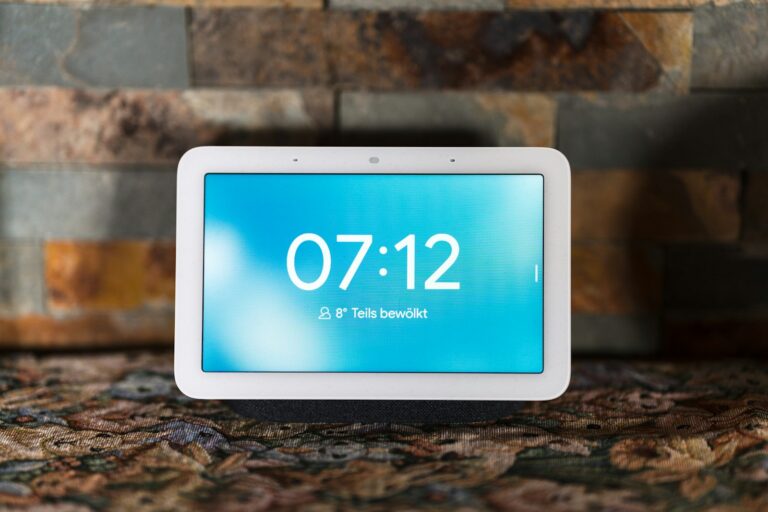
- Integrate with voice assistants (Alexa, Google Home, Siri)
- Connect with smart ceiling fans for improved circulation
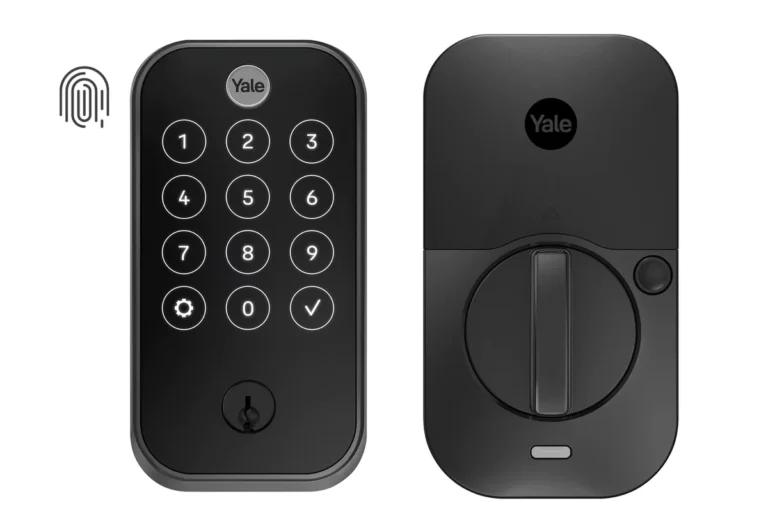
- Link with smart locks to adjust temperature when doors are locked
6. Alert You to HVAC Problems Before They’re Expensive
Advanced diagnostics can detect:
- When your system is running inefficiently
- Potential equipment failures before they happen
- Unusual cycling patterns that indicate problems
- When components are working harder than normal
Early warnings can save you thousands in emergency repairs by catching issues early.
7. Provide Weather-Based Adjustments
By connecting to local weather data, your thermostat can:
- Pre-cool your home before a heatwave
- Adjust for incoming cold fronts
- Account for humidity in comfort calculations
- Use outdoor temperature to optimize efficiency
- Suggest when to open windows instead of using AC
8. Monitor Room-by-Room Temperatures
With remote sensors (sold separately for most models), you can:
- Balance temperatures across multiple rooms
- Prioritize specific rooms at different times
- Identify drafts or insulation problems
- Ensure bedrooms are perfect for sleeping while living areas stay comfortable during the day
9. Participate in Energy-Saving Programs
Many utilities offer:
- Demand response programs that pay you to reduce usage during peak times
- Rush hour rewards for slight temperature adjustments
- Rebates for participating in grid-balancing initiatives
- Credits that can add up to $50-100+ annually
Your thermostat automatically participates without discomfort, making tiny adjustments you barely notice.
10. Offer Vacation and Sleep Modes
Specialized modes include:
- Vacation mode: Maintains minimal heating/cooling to prevent pipe freezing or excessive humidity
- Sleep mode: Gradually adjusts temperature for optimal sleep conditions
- Morning boost: Warms the house before your alarm goes off
- Eco mode: Prioritizes savings over comfort when you’re flexible
11. Provide Voice and Touch-Free Control
Beyond smartphone apps, control your climate via:
- Voice commands through smart speakers
- Voice control built into the thermostat itself
- Motion detection that wakes the display as you approach
- Scheduling through calendar apps
- IFTTT automation recipes
12. Display Useful Information
Your thermostat’s screen can show:
- Weather forecasts
- Indoor and outdoor temperatures
- Humidity levels
- Time and date
- Calendar reminders
- Even photos in some models
It becomes an information center, not just a control panel.
13. Create Custom Comfort Profiles
Different family members can have:
- Personal temperature preferences
- Individual schedules
- Specific room priorities
- Custom voice commands
The thermostat can recognize who’s home and adjust accordingly.
14. Track and Reduce Your Carbon Footprint
Environmentally conscious features include:
- Carbon footprint calculations
- Renewable energy usage tracking (if you have solar)
- Suggestions for reducing environmental impact
- Reports showing how your efficiency compares to targets
15. Provide Remote Monitoring for Vacation Homes or Elderly Relatives
You can:
- Check in on properties remotely
- Receive alerts if temperature drops dangerously low (pipe freeze risk)
- Monitor elderly family members’ homes for unusual patterns
- Adjust settings for caretakers or guests
- Ensure homes are ready before you arrive
Making the Most of Your Smart Thermostat
To unlock these features:
- Complete the full setup process – Don’t skip the additional sensors, app connections, or account creation
- Grant necessary permissions – Location services, calendar access, and notifications enable the best features
- Explore your app regularly – Manufacturers add new features via updates
- Install remote sensors – These dramatically improve multi-room control
- Connect to other smart devices – The ecosystem effect multiplies benefits
- Review energy reports monthly – Learn from patterns and adjust accordingly
The Bottom Line
Smart thermostats have evolved from simple programmable devices into sophisticated home management systems. They’re energy analysts, maintenance monitors, air quality trackers, and smart home hubs all in one. If you bought one just for remote temperature control, dive deeper into the settings—you’ll likely discover features that pay for the device several times over while making your home more comfortable and efficient.
Key Takeaways
- Smart thermostats can save money through energy efficiency by learning household patterns and optimizing temperature settings automatically.
- Advanced models offer security features like occupancy detection and can send alerts when unusual activity is detected in the home.
- These devices integrate with other smart home technology to provide remote access and control of your home’s climate from anywhere.
Evolution of Thermostats
Temperature control technology has undergone remarkable advancement over the decades, transforming from simple mechanical devices to sophisticated digital systems that learn our preferences and habits.
From Traditional to Programmable Thermostats
The earliest thermostats were basic manual devices with simple on-off mechanisms. Users had to physically adjust a dial or lever whenever they wanted to change the temperature. These thermostats had no memory and required constant attention to maintain comfort.
In the 1970s and 1980s, programmable thermostats emerged as a significant innovation. These devices allowed homeowners to set temperature schedules for different times of the day. This advancement meant you could program temperatures to fit your work schedule and no longer had to leave heating or cooling running all day.
Key benefits of programmable thermostats included:
- Scheduled temperature changes
- Energy savings through automated setbacks
- Different programs for weekdays and weekends
Despite these advantages, many users found programming complex and didn’t fully utilize the features.
Rise of Smart Thermostats
Smart thermostats entered the market in the 2010s, with brands like Nest, Ecobee, and Honeywell leading innovation. Unlike their predecessors, smart thermostats connect to home Wi-Fi networks and can be controlled remotely via smartphones.
These devices do more than follow programs – they actively learn about when you’re coming and going and adjust temperatures automatically. Some models use motion sensors to detect occupancy or geofencing to track when your phone leaves or enters your home.
Smart thermostats offer numerous advanced features:
- Remote access through mobile apps
- Learning capabilities that adapt to your schedule
- Voice control integration with systems like Alexa and Google Assistant
- Energy usage reports to help identify savings opportunities
The evolution continues as manufacturers add features like humidity control, air quality monitoring, and integration with other smart home systems.
Fundamentals of Smart Thermostat Technology
Smart thermostats revolutionize home temperature control through advanced technology and connectivity features. These devices offer precise climate management while helping homeowners reduce energy consumption.
How Smart Thermostats Work
Smart thermostats function as the brain of your home’s heating and ventilation system. Unlike traditional thermostats that simply react to manual adjustments, smart thermostats communicate constantly with your heating system to optimize performance.
These devices connect to your Wi-Fi network, allowing remote control through smartphone apps or voice assistants. Many models use machine learning algorithms to analyze patterns in your schedule and preferences.
When the temperature falls below or rises above your desired setting, the thermostat signals your HVAC system to activate. What sets smart models apart is their ability to make intelligent adjustments automatically.
For instance, they can detect when nobody is home using motion sensors or geofencing. The system can then switch to energy-saving mode, reducing unnecessary heating or cooling while you’re away.
Key Components and Sensors
Smart thermostats incorporate several essential components that enable their advanced functionality:
- Temperature Sensors: Multiple precision sensors monitor current conditions throughout your home
- Motion Detectors: Track occupancy to determine when spaces are in use
- Microprocessors: Process data and execute programmed instructions
- Wi-Fi Modules: Enable internet connectivity and remote access
The temperature sensor is particularly sophisticated in modern systems. Rather than a single reading point, many smart thermostats support multiple sensors placed in different rooms to create temperature zones.
Some models include humidity sensors that help maintain optimal comfort levels. These can be especially valuable in areas prone to excessive dryness or moisture.
The display interface combines touchscreens with intuitive controls, making adjustments simple. Many units also feature voice control capabilities, eliminating the need to physically interact with the device for common adjustments.
Installation and Setup
Setting up a smart thermostat is straightforward but requires attention to detail for optimal performance. Most modern devices offer user-friendly installation processes and seamless integration with existing home systems.
Initial Configuration
Before installing a smart thermostat, homeowners should check compatibility with their HVAC system. Most systems work with popular brands like Google Nest, Ecobee, and Honeywell.
The installation process typically involves:
- Turning off power to the HVAC system at the breaker box
- Removing the old thermostat after taking a photo of the wiring
- Labeling wires according to the manufacturer’s guide
- Mounting the baseplate of the new thermostat
- Connecting wires to the appropriate terminals
Many smart thermostats include thorough installation guides that walk users through the process step by step. Some manufacturers also offer installation videos on their websites.
After physical installation, users follow on-screen prompts to connect the device to Wi-Fi and download the companion app.
Integrating with a Smart Home
Smart thermostats truly shine when integrated with other smart home components. Most premium models connect seamlessly with popular ecosystems like Amazon Alexa, Google Home, and Apple HomeKit.
Integration enables voice control capabilities, allowing users to adjust temperature by simply speaking commands. This feature proves especially useful when hands are occupied or when users are in another room.
Beyond voice assistants, smart thermostats can work with:
- Motion sensors to detect occupancy
- Smart vents for room-specific temperature control
- Window/door sensors to conserve energy
- Smart lighting for coordinated scenes and routines
The remote functionality of connected thermostats lets homeowners adjust settings from anywhere using their smartphones. This capability ensures comfort upon arrival home and helps monitor energy usage when away.
Users can create automated routines that coordinate multiple devices. For example, a “Good Night” routine might lower the temperature, lock doors, and turn off lights simultaneously.
Smartphone Integration and Remote Control
Smart thermostats shine when paired with your smartphone, giving you complete control over your home’s climate no matter where you are. Modern systems connect seamlessly to home Wi-Fi networks, putting temperature management at your fingertips.
App Features and Accessibility
Most smart thermostat manufacturers offer dedicated mobile applications with user-friendly interfaces. These apps provide a command center for your home’s heating and cooling system. Users can easily navigate through temperature controls and scheduling options.
The apps typically include:
- Dashboard views showing current temperature and humidity
- Energy usage reports tracking consumption patterns
- Scheduling wizards for creating automatic temperature adjustments
- User permission settings for family members or guests
Many applications also offer voice control integration with virtual assistants like Alexa, Google Assistant, and Siri. This makes adjusting the temperature as simple as saying “lower the thermostat by two degrees.”
Accessibility features such as large text options and high-contrast modes ensure everyone in the household can operate the system comfortably.
Real-Time Temperature Adjustments
The ability to control home temperature remotely represents one of the most practical benefits of smart thermostats. Homeowners can adjust settings while away, ensuring comfort upon arrival.
This feature proves invaluable in various scenarios:
- Extending a vacation? Postpone your “return home” temperature schedule.
- Coming home early from work? Pre-cool or pre-heat your house.
- Unexpected weather changes? Respond instantly without being physically present.
Some advanced systems can even send alerts when temperatures fall outside normal ranges. This notification system helps identify potential HVAC issues before they become serious problems.
The real-time adjustment capability typically operates with minimal delay—usually under a minute between command and execution. This responsiveness ensures precise climate control regardless of the user’s location.
Advanced Features for Convenience and Safety
Smart thermostats go far beyond just temperature control to offer features that enhance both convenience and safety in your home. They use advanced sensors and connectivity to protect your family and simplify your life.
Motion and Proximity Detection
Many smart thermostats come equipped with built-in motion sensors that can detect when someone is home. This feature allows the thermostat to automatically adjust temperatures based on occupancy, saving energy when no one is around.
Some models use geofencing technology through your smartphone to know when you’re approaching home. The system can start warming or cooling your house before you arrive, ensuring comfort the moment you walk in.
Motion detection also serves as a security feature. Homeowners can receive alerts when movement is detected during times when the house should be empty, adding an extra layer of home security without installing separate systems.
Advanced models can even adjust room-by-room temperatures based on which areas of the house are currently occupied, maximizing both comfort and efficiency.
Integrations with Other Security Devices
Smart thermostats excel at connecting with other home safety devices. Many can integrate with smoke detectors and carbon monoxide alarms to provide comprehensive protection.
In case of a fire, integrated systems can automatically shut down HVAC equipment to prevent smoke circulation throughout the home. This critical safety feature could help limit smoke damage and provide clearer evacuation paths.
Carbon monoxide detection becomes more robust when paired with smart thermostats. The system can trigger immediate notifications to homeowners’ phones if dangerous levels are detected, even when they’re away from home.
Many smart thermostats now work with:
- Video doorbells
- Security cameras
- Smart locks
- Water leak detectors
These integrations create a unified home safety network that homeowners can monitor and control from anywhere through a single app, offering both convenience and peace of mind.
Energy Management and Savings
Smart thermostats transform how homeowners control their heating and cooling systems, offering powerful tools for reducing energy consumption. These devices go beyond simple temperature control to provide data-driven insights that lead to meaningful cost reductions.
Learning User Behaviors and Preferences
Modern smart thermostats use sophisticated algorithms to track when you’re home, away, or sleeping. After just a few days of operation, they begin to recognize patterns in your daily routine. This learning capability allows the system to automatically adjust temperatures without requiring manual programming.
Many models include motion sensors that detect when rooms are occupied. This feature prevents wasting energy on empty spaces while maintaining comfort in areas where people are present.
The detailed energy usage reports generated by smart thermostats give homeowners insights into their consumption patterns. These reports highlight peak usage times and suggest optimization opportunities.
Some advanced systems even factor in local utility rates, adjusting usage to minimize costs during peak pricing periods.
Automatic Energy Efficiency Adjustments
Smart thermostats make micro-adjustments throughout the day that humans typically wouldn’t bother with. These small changes add up to significant energy savings without sacrificing comfort.
Many units integrate with local weather forecasts to optimize heating and cooling cycles. For example, they might reduce AC usage when a cool front is approaching or increase heating before a predicted cold snap.
Some models include features that analyze your HVAC system’s performance. They can detect inefficiencies and send maintenance alerts before minor issues become major problems.
The eco-mode found in most smart thermostats balances comfort with energy efficiency. This setting makes subtle temperature adjustments that most people don’t notice but that can reduce utility bills by 10-15% annually.
Interactions with Other Smart Devices
Smart thermostats can connect with other devices in your home to create a more integrated living environment. These connections allow for enhanced automation and control beyond just temperature management.
Compatibility with Home Assistants
Smart thermostats work seamlessly with popular home assistants like Amazon Alexa, Google Assistant, and Apple HomeKit. This integration enables you to control your temperature settings using voice commands.
Users can adjust the temperature by simply saying phrases like “Alexa, set the thermostat to 72 degrees” or “Hey Google, lower the temperature by 2 degrees.”
Most leading smart thermostat brands offer compatibility with multiple assistant platforms. This flexibility allows homeowners to choose devices that work with their existing setup without having to replace everything.
Home assistants can also help create temperature routines. For example, the system can automatically adjust temperatures based on when people wake up, leave for work, or go to bed.
Unified Smart Home Control
Smart thermostats can function as part of a connected home ecosystem that works together for enhanced convenience and efficiency. These integrations create automated sequences that respond to various triggers.
When paired with a video doorbell, the thermostat can receive signals about visitors or deliveries. Some systems can even adjust temperature settings when the doorbell detects that someone has arrived home.
Smart thermostats can also connect with:
- Motion sensors to detect home occupancy
- Smart lighting systems for coordinated energy savings
- Window/door sensors to pause heating/cooling when windows are open
- Smart blinds to work together managing home temperature
These integrations allow for sophisticated scenarios. For example, when your security system is armed in “away” mode, your thermostat can automatically switch to energy-saving settings.
Challenges and Considerations
While smart thermostats offer many benefits, they come with several important challenges that homeowners should understand before installation. These technologies require careful consideration of both privacy implications and technical limitations.
Privacy and Data Security
Smart thermostats constantly collect data about home occupancy patterns and temperature preferences to optimize performance. This data collection raises legitimate privacy concerns for many homeowners.
Most smart thermostats connect to the internet and share information with manufacturers. This information might include when you’re home, your daily routines, and even when you’re on vacation. Before purchasing, it’s essential to review the privacy policy of the device manufacturer.
Some devices offer options to limit data collection or store information locally rather than in the cloud. Creating strong passwords for your smart home devices and keeping firmware updated helps protect your information.
Regular security updates are crucial as older devices may become vulnerable to hacking if manufacturers stop supporting them with security patches.
Smart Technology Limitations
Smart thermostats may not be compatible with all heating and cooling systems, particularly older or complex ones. Before purchasing, check compatibility with your specific HVAC configuration to avoid costly upgrades.
Installation issues can arise when homes lack a C-wire (common wire), which provides consistent power to the thermostat. Without this, some smart thermostats may cause problems like short cycling your furnace through parasitic power draw.
Connectivity problems can also hamper performance. Intermittent Wi-Fi issues may prevent the thermostat from functioning properly or create gaps in temperature control.
The complexity of smart thermostats presents a learning curve for some users. While interfaces have improved, some homeowners may find programming schedules and adjusting settings unnecessarily complicated compared to traditional thermostats.
Frequently Asked Questions
Smart thermostats offer numerous capabilities beyond basic temperature control. These intelligent devices can optimize home comfort, save energy, and integrate with other smart technologies in ways many homeowners don’t fully realize.
How can a smart thermostat optimize HVAC performance for energy savings?
Smart thermostats are designed to maximize efficiency by learning and adapting to your heating and cooling needs. They detect patterns and adjust temperatures automatically based on factors like your schedule and outdoor temperature.
These devices can switch to energy-saving modes when no one is home. Some models analyze your HVAC system’s performance data and suggest maintenance or adjustments to improve efficiency.
Many smart thermostats provide detailed energy usage reports, allowing homeowners to identify peak usage times and adjust settings accordingly for maximum savings.
What advanced features do some smart thermostats offer for remote control?
Modern smart thermostats allow users to control home temperature from anywhere using smartphone apps. This means homeowners can adjust settings while at work or traveling.
Voice command compatibility with systems like Amazon Alexa and Google Home enables hands-free temperature control. Some advanced models even offer geofencing capabilities that detect when residents are approaching home and adjust the temperature accordingly.
The most sophisticated options include room-specific sensors that can prioritize temperature control in occupied areas of the home.
Can a smart thermostat detect and report equipment problems in an HVAC system?
Many smart thermostats monitor system performance and can alert homeowners to potential issues before they become major problems. They track metrics like runtime, cycling frequency, and temperature differential.
Some models can detect irregular patterns that might indicate failing components or maintenance needs. These early warnings can help prevent complete system failures and expensive emergency repairs.
Advanced smart thermostats may also remind homeowners about regular maintenance like filter changes based on actual system usage rather than a calendar schedule.
In what ways can a smart thermostat contribute to a smart home ecosystem?
Smart thermostats often serve as hub devices that can connect with other smart home technologies. They can work with smart vents to create zone-based temperature control throughout the home.
Integration with smart lighting and window coverings allows for comprehensive climate management beyond just HVAC control. Some thermostats connect with home security systems to adjust temperatures based on security modes or occupancy detection.
Smart thermostats make it easier to control multiple aspects of home comfort through a single interface or voice command system.
How do smart thermostats adjust settings based on user behavior over time?
Advanced smart thermostats employ machine learning algorithms to study household patterns and preferences. They observe when people are typically home, away, asleep, or active and adjust temperatures accordingly.
Over time, these devices become more accurate at predicting needs and can make micro-adjustments that maximize both comfort and efficiency. Some models can even account for seasonal changes in behavior or preferences without manual reprogramming.
The learning capabilities mean less manual adjustment is needed as the thermostat becomes better at anticipating household needs.
Are there any compatibility considerations when installing a smart thermostat with existing home systems?
Before purchasing a smart thermostat, homeowners should verify electrical compatibility with their HVAC system. Most systems require a C-wire (common wire) for power, though some newer models offer alternative solutions.
Wireless network reliability is crucial since smart thermostats rely on consistent connectivity for remote features. Homeowners should also consider compatibility with existing smart home platforms like Apple HomeKit, Google Home, or Amazon Alexa.
The physical installation location matters too – the thermostat should be placed away from direct sunlight, drafts, or heat sources that could affect its temperature readings.