Setting up a smart home used to be frustrating. Different devices worked with different apps and voice assistants, creating a messy experience. This changed with the arrival of Matter, a breakthrough standard that’s transforming how our smart homes function.
Matter is an open-source connectivity standard that allows smart home devices from different manufacturers to work together seamlessly, regardless of which ecosystem or voice assistant you prefer. Created through collaboration between major tech companies like Apple, Google, and Amazon, Matter ensures your smart lights, thermostats, and locks can communicate with each other using a single protocol based on proven Internet Protocol (IP) technology.
The days of checking if a device works with your preferred system are ending. With Matter-certified devices, you can mix brands and control everything through your favorite platform. This means more choices, simpler setup, and a smarter home that actually works the way you want it to.
What Is Matter?
Matter is a universal smart home standard designed to make connected devices from different brands work seamlessly together. It’s an open-source protocol developed by major tech companies including Apple, Google, Amazon, Samsung, and the Connectivity Standards Alliance (CSA) (formerly the Zigbee Alliance).
Matter’s goal is simple:
To ensure that your smart home devices communicate reliably, securely, and easily—no matter who makes them.
Key Features:
- Interoperability: Devices from different brands work together without compatibility issues.
- Local control: Devices communicate directly over your home network (Wi-Fi, Thread, or Ethernet), reducing cloud dependency.
- Security: End-to-end encryption and secure onboarding.
- Open-source: Built on open standards and supported by hundreds of manufacturers.
(Sources: WIRED, PCMag, MatterDevices)
How Matter Works
Matter operates as a communication layer that allows smart home devices—lights, locks, thermostats, sensors, and more—to talk to each other and to your chosen smart home platform.
Supported Network Technologies
- Wi-Fi: For high-bandwidth devices like cameras and speakers.
- Thread: A low-power mesh network ideal for sensors and lighting.
- Ethernet: Used by hubs or bridges for stable connectivity.
- Bluetooth LE: Used for initial device setup (commissioning).
Matter Controllers
A Matter controller is the brain of your system—it connects, manages, and automates your devices. Examples include:
- Apple HomePod or Apple TV (for Apple Home)
- Google Nest Hub or Nest Mini (for Google Home)
- Amazon Echo (for Alexa)
- Samsung SmartThings Hub
You only need one controller, but you can use multiple platforms simultaneously thanks to Matter’s multi-admin feature.
Setting Up a Matter Smart Home (Step-by-Step)
- Choose Your Ecosystem
Pick your preferred platform (Apple Home, Google Home, Alexa, or SmartThings). - Get a Matter Controller
This device will manage your Matter network. - Add Matter-Compatible Devices
Look for the Matter logo on packaging. Many newer smart bulbs, plugs, and locks support Matter natively. - Connect Devices
Use your platform’s app to scan the Matter QR code or NFC tag on the device. - Automate Your Home
Once connected, create automations—like turning on lights when you arrive home, or adjusting the thermostat when you leave.
(Source: Matter Smart Home Guide)
Benefits of Matter
✅ Simplified setup: One standard for all devices.
✅ Cross-platform control: Mix and match brands freely.
✅ Offline reliability: Works even if your internet goes down.
✅ Enhanced security: Uses modern encryption and authentication.
✅ Future-proof: Supported by major tech companies and continuously updated.
Limitations and Challenges
- Not all devices are Matter-ready yet. Some older products may need firmware updates or new hubs.
- Feature gaps: Certain advanced functions (like camera streaming) aren’t yet standardized under Matter.
- Thread network complexity: Requires a Thread border router (often built into smart speakers).
The Future of Matter
Matter continues to evolve rapidly. The Matter 1.3 update (2025) adds improved energy management, appliance support, and better multi-admin synchronization. Expect broader adoption across security systems, appliances, and entertainment devices in the next few years.
(Source: The Ambient)
🔗 In Summary
Matter is transforming the smart home landscape by eliminating compatibility barriers. With it, you can confidently mix devices from different brands—knowing they’ll just work together.
If you’re building or upgrading your smart home in 2025 and beyond, Matter is the foundation you’ll want to build on.
Key Takeaways
- Matter unifies smart home devices across different brands, eliminating compatibility issues and allowing control through any Matter-supported platform.
- The standard uses secure IP-based technology to connect devices locally, improving reliability and privacy in smart home networks.
- Matter certification is rapidly becoming essential for new smart home products, creating a more user-friendly Internet of Things ecosystem.
Understanding Matter and Its Importance
Matter represents a significant shift in home automation by creating a universal standard that allows devices from different manufacturers to work together seamlessly. This unified protocol addresses fragmentation issues that have long plagued smart home technology while providing enhanced security and simplified user experiences.
Evolution of Matter
Matter began as Project Connected Home over IP (CHIP) in 2019 before being renamed to Matter in 2021. It evolved from the Zigbee Alliance, which later became the Connectivity Standards Alliance (CSA). This transformation wasn’t merely a name change but represented a fundamental shift in approach to smart home connectivity.
The protocol was developed through collaboration between major tech companies including Apple, Google, Amazon, and Samsung. These companies recognized that the smart home industry was suffering from compatibility problems.
Before Matter, consumers faced a complex web of competing standards. Smart devices often only worked within their own ecosystems, forcing users to juggle multiple apps and hubs.
Goals of Matter in Home Automation
Matter aims to solve several critical problems in the smart home landscape:
- Universal Compatibility: Enabling devices from different manufacturers to communicate seamlessly
- Simplified Setup: Reducing the complexity of adding new devices to a smart home
- Enhanced Security: Implementing robust security measures across all compatible devices
- Local Control: Allowing devices to function even without internet connection
- Reduced Fragmentation: Eliminating the need for multiple hubs and ecosystems
The standard focuses on creating a reliable foundation for home automation that benefits both consumers and manufacturers. For users, it means greater freedom to choose devices based on features rather than ecosystem compatibility.
Matter Protocol and Connectivity Standards Alliance
The Connectivity Standards Alliance oversees Matter’s development and certification process. The CSA ensures that all Matter-certified devices meet specific technical requirements and security standards.
Matter uses IPv6-based networking to enable direct communication between devices. It supports various connection methods including:
- Wi-Fi (for high-bandwidth devices)
- Thread (for low-power devices)
- Ethernet (for wired connections)
- Bluetooth LE (primarily for device setup)
The protocol is open-source, allowing manufacturers to implement it without paying licensing fees. This accessibility encourages wider adoption across the industry.
Device certification is rigorous, requiring compliance with Matter’s core standards. This certification process ensures that consumers can trust the “Matter-certified” label when purchasing new smart home products.
Core Technologies Behind Matter
Matter combines several key technologies to create a unified smart home ecosystem. The standard builds upon established protocols while adding new security layers and interoperability features.
Wireless Communication Standards
Matter relies on multiple wireless protocols to ensure devices can connect in various home environments. Thread stands out as a primary protocol, offering low-power mesh networking that extends range and reliability.
Wi-Fi serves as another foundation, enabling higher bandwidth connections for devices requiring more data throughput. This dual approach allows Matter to support both simple sensors and complex video doorbells.
Bluetooth plays a critical role in device setup. When adding new Matter devices to a home network, Bluetooth handles the initial pairing process before handing off to the main connectivity method.
Zigbee technology’s influence appears in Matter’s design, though Matter works by building on top of these protocols rather than directly incorporating them.
Interoperability and Compatibility
Matter’s most significant achievement is solving the fragmentation problem that plagued smart homes. Devices that were previously locked to specific ecosystems can now communicate across platforms.
This IP-based standard ensures that products work together regardless of manufacturer. A Samsung refrigerator can seamlessly interact with an Apple HomePod or Google Nest Hub.
Matter certification provides consumers with confidence that devices will function within their existing setups. The Connectivity Standards Alliance oversees this certification process, ensuring compliance.
Cross-platform support means users can control devices through their preferred voice assistant or app interface. This eliminates the need for multiple apps to manage different brands of smart home products.
Security and Privacy Aspects
Matter implements robust security measures to protect connected homes. End-to-end encryption secures all device communications, preventing unauthorized access to sensitive data.
The standard employs secure device attestation during setup, verifying that each device is authentic and uncompromised. This prevents malicious devices from joining home networks.
Privacy protections are built into Matter’s core design. The protocol minimizes data collection and provides users with transparent controls over what information devices share.
Local control capabilities reduce cloud dependencies, allowing devices to function even without internet access. This approach enhances both privacy and reliability by processing commands within the home network.
Regular security updates are facilitated through Matter’s unified approach, making it easier for manufacturers to patch vulnerabilities across diverse device types.
Matter’s Role in Smart Home Ecosystems
Matter is transforming how smart home devices work together by creating a unified standard for connectivity. This breakthrough protocol allows devices from different brands to communicate seamlessly, making smart homes easier to set up and more reliable to use.
Integration with Major Tech Manufacturers
The Matter protocol has gained impressive support from the tech industry’s biggest names. Apple, Amazon, Google, and Samsung have all committed to integrating Matter compatibility into their smart home ecosystems. This wide adoption by leading technology companies ensures that consumers aren’t locked into a single brand’s ecosystem.
For example, a Matter-certified light bulb works with Apple HomeKit, Amazon Alexa, and Google Home without needing separate versions for each platform. This cross-compatibility means users can control any device with their preferred voice assistant or smartphone app.
The standard also reduces compatibility headaches when adding new devices to an existing smart home setup. Manufacturers benefit too, as they can develop a single version of their product rather than multiple variants for different ecosystems.
Support for Various Device Types
Matter currently supports several common smart home device categories:
- Lighting and electrical: Smart bulbs, plugs, switches, outlets
- HVAC controls: Thermostats, air conditioners
- Safety devices: Smoke detectors, CO sensors
- Security equipment: Door locks, window sensors
- Entertainment systems: TVs, speakers
The protocol works over common connection methods including Wi-Fi, Ethernet, and Thread (a low-power mesh network). This flexibility allows Matter to support both high-bandwidth devices like security cameras and low-power options like door sensors.
Matter also enables local control, meaning devices can function without an internet connection. This enhances privacy and reduces response delays compared to cloud-dependent systems.
Matter-Certified Devices
Products featuring the Matter logo have passed certification testing to ensure compliance with the standard. This certification process, overseen by the Connectivity Standards Alliance, verifies that devices will work reliably within the Matter ecosystem.
The market already offers numerous Matter-certified options across major categories. Popular examples include Philips Hue lighting, Eve smart plugs, and Aqara sensors. Many manufacturers are also updating existing products through firmware updates to add Matter support.
When shopping for new smart home devices, looking for the Matter badge simplifies the setup process. These products typically require scanning a QR code with a smartphone to add them to your network. After setup, they become available to all compatible controllers and apps on your network.
Setting Up a Matter-Centric Home Network
Creating a Matter-based smart home requires careful planning of your network infrastructure. The right hardware components, proper network configuration, and correct setup procedures are essential for a reliable and responsive smart home experience.
Required Hardware Components
To build a Matter-compatible smart home, you’ll need several key components. First, a central control unit serves as the brain of your system, managing automations and device interactions.
A Thread Border Router is crucial as it connects Thread-based devices to your home network. Popular options include:
- Apple HomePod mini
- Google Nest Hub (2nd gen)
- Amazon Echo (4th gen)
- Dedicated Thread border routers
You’ll also need a reliable Wi-Fi router supporting 2.4GHz connections, as most smart home devices operate on this frequency. Many users opt for mesh networking systems to ensure consistent coverage throughout the home.
Finally, you’ll need Matter-compatible smart devices. The ecosystem of Matter devices continues to grow, including lights, sensors, locks, and thermostats from various manufacturers.
Network Configuration and Topology
A robust network topology forms the foundation of a Matter-based smart home. Matter supports multiple network protocols, with Thread and Wi-Fi being the most common for residential use.
For Thread networking, position your Border Router centrally to maximize mesh network coverage. Thread creates a mesh network where compatible devices relay signals, extending range and improving reliability without burdening your Wi-Fi.
Wi-Fi-based Matter devices connect directly to your home router. Ensure your router can handle the expected number of connected devices—typical households may have 30+ IoT devices simultaneously connected.
Consider network segmentation by creating a dedicated IoT VLAN for enhanced security. This isolates smart devices from computers containing sensitive information, reducing potential attack vectors.
Ethernet-connected devices provide the most stable connections for critical components like hubs and controllers. When possible, hardwire these devices to minimize wireless traffic.
Commissioning and Setup Process
The commissioning process links Matter devices to your home network. This typically begins with installing the manufacturer’s app on your smartphone or tablet to perform initial device setup.
Matter uses a standardized commissioning protocol that works across ecosystems. The process typically follows these steps:
- Device discovery: Your controller app scans for new Matter devices in pairing mode
- Authentication: Exchange of security credentials between device and controller
- Network configuration: Your controller sends home network details to the device
- Device binding: The device is associated with your Matter admin account
Many devices use QR codes or NFC for simplified setup. Scan the code with your smartphone to initiate the pairing process automatically.
After commissioning, devices appear in your preferred control app. This could be Apple Home, Google Home, Amazon Alexa, or a dedicated smart home platform like Home Assistant, depending on your preferred ecosystem.
Smart Home Solutions Powered by Matter
Matter is transforming how devices work together in the modern smart home. This universal protocol enables seamless integration across brands and platforms, giving consumers more choices and simpler setup experiences for their connected homes.
Smart Lighting and Plug Systems
Smart lighting systems compatible with Matter offer unprecedented flexibility and control. Philips Hue lights now work across multiple ecosystems, allowing users to control them through Amazon Alexa, Google Home, or Apple Home without needing separate bridges or configurations for each platform.
Matter-certified smart plugs provide energy monitoring and remote control capabilities that work consistently regardless of which voice assistant a homeowner prefers. Users can create automated routines that function identically whether triggered through SmartThings, Apple Home, or Google Home.
Key benefits include:
- Cross-platform control – manage devices from any Matter-compatible controller
- Simplified setup – scan a QR code to add devices to multiple ecosystems simultaneously
- Reliable local control – devices operate even when internet connectivity is limited
Intelligent Security and Access Control
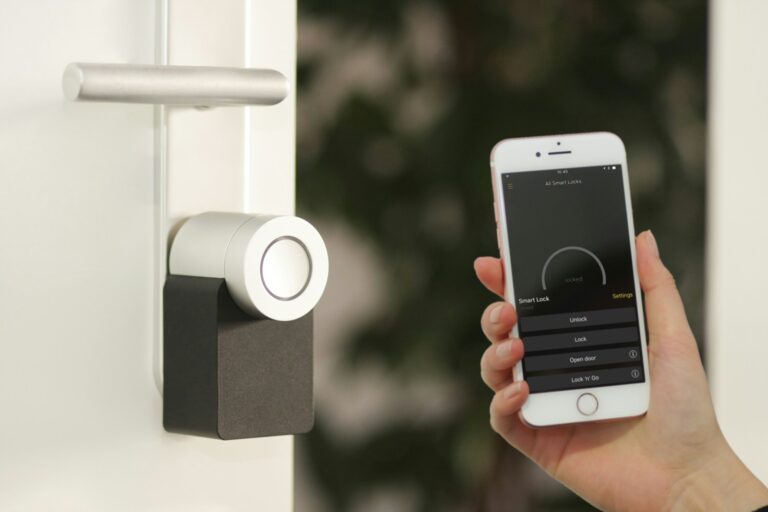
Matter has revolutionized home security products by establishing a common language for devices from different manufacturers. Smart locks from brands like Yale and Schlage can now be managed through any Matter-certified hub or interface.
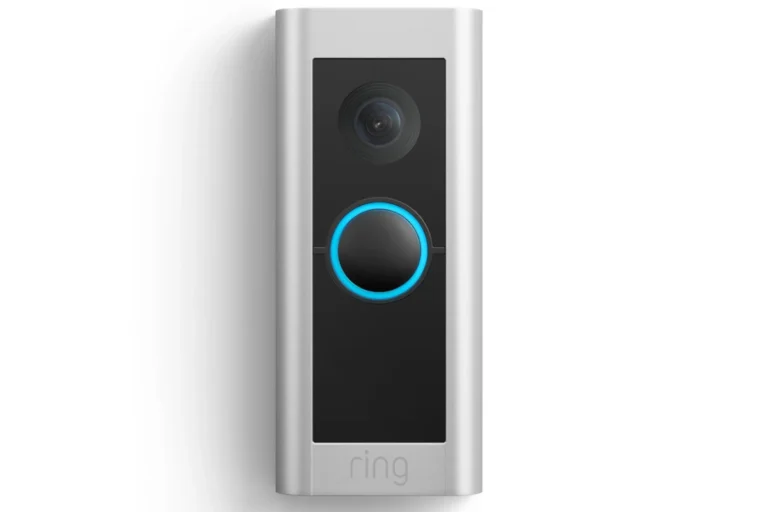
Doorbell cameras and security sensors integrate seamlessly with various ecosystems, enabling homeowners to monitor their properties using their preferred apps. Motion alerts trigger consistently across platforms, ensuring critical security notifications are never missed.
Access control becomes more flexible with Matter. Temporary codes for service providers or guests can be created and managed through any compatible controller. Family members can use their preferred apps while accessing the same underlying security features.
Automated Environmental Management
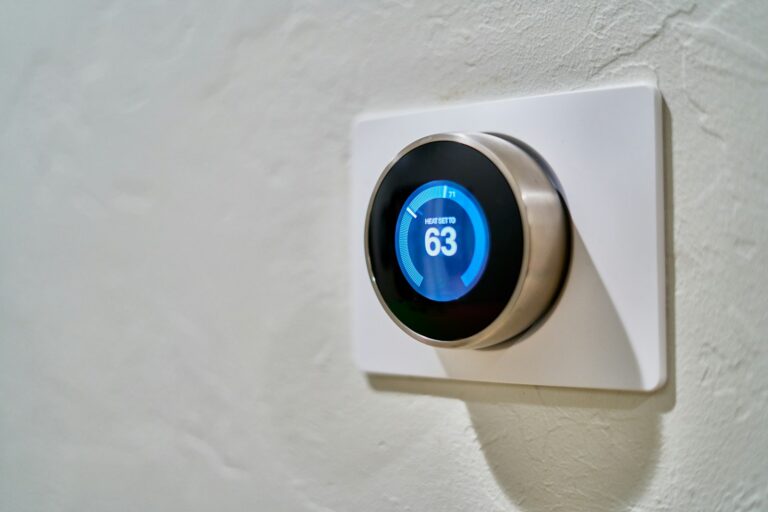
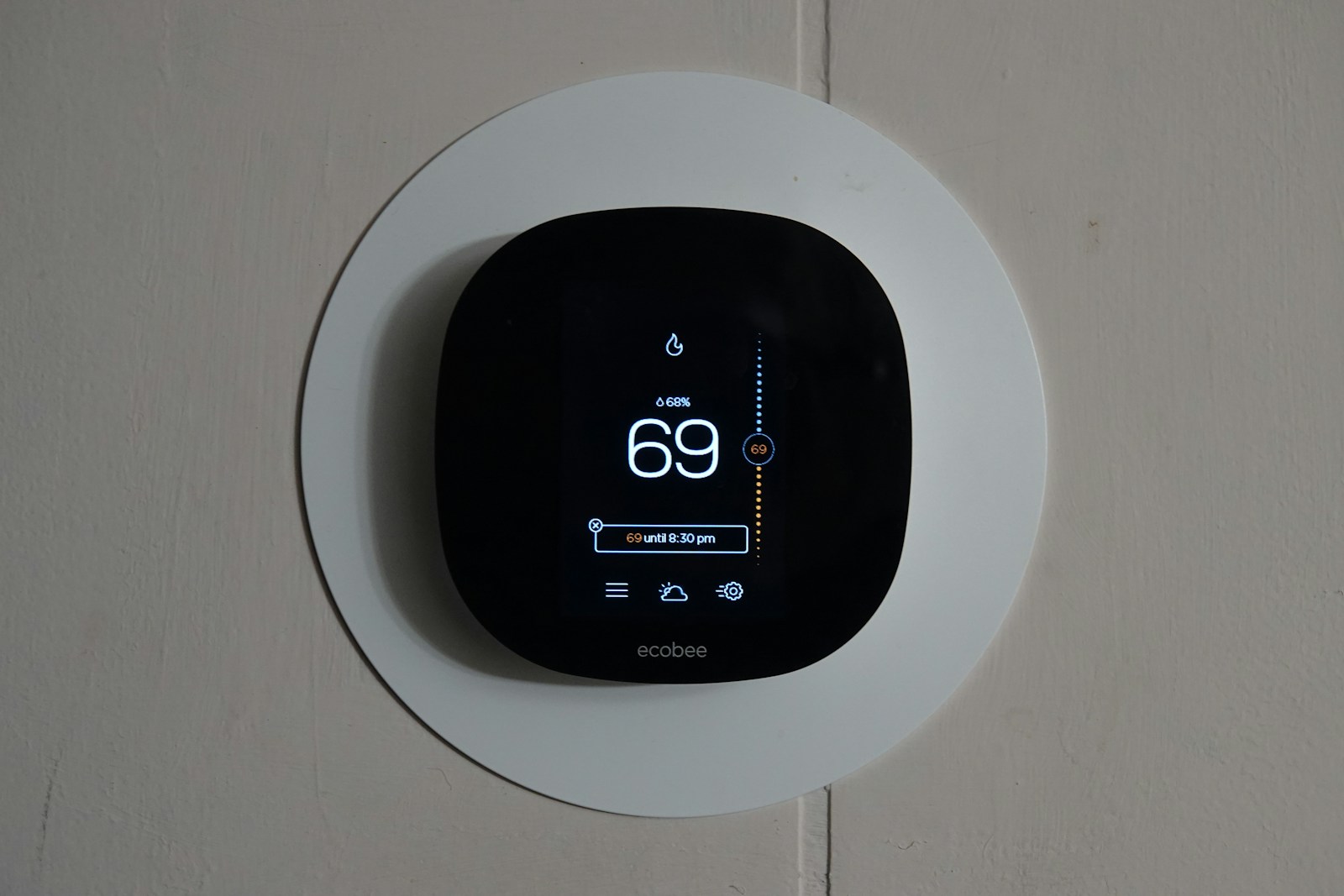
Smart thermostats supporting Matter protocol work harmoniously with energy management systems to optimize home comfort and efficiency. Temperature adjustments made through Google Home immediately reflect in Apple Home or Amazon Alexa interfaces.
HVAC zoning systems benefit from Matter’s unified approach, allowing precise room-by-room climate control using any compatible controller. Smart blinds and shades coordinate with temperature sensors to maintain ideal conditions while minimizing energy usage.
Matter enables sophisticated energy management through:
- Cross-device coordination – thermostats work with occupancy sensors and weather data
- Consistent scheduling – temperature programs remain synchronized across all interfaces
- Energy usage insights – consumption data remains accessible regardless of which app is used
Smart ceiling fans and air purifiers join the network effortlessly, expanding the home’s environmental management capabilities without requiring new hubs or proprietary bridges.
Future of Matter in Home Automation
Matter represents a significant turning point for home automation, promising to reshape how smart devices work together. The protocol’s development trajectory points to increased compatibility, scalability, and market growth in the coming years.
Ongoing Development and Updates
The Matter protocol continues to evolve since its official launch. Home Assistant, a popular smart home platform, recently received official Matter certification in March 2025. This milestone highlights the ongoing integration efforts across the industry.
Development teams are currently focusing on expanding device categories beyond the initial set. While the first version covered basics like lighting and climate control, upcoming updates will likely include:
- Security systems integration
- Advanced camera capabilities
- Entertainment device protocols
- Health monitoring device support
The Connectivity Standards Alliance (CSA), which oversees Matter (formerly Project CHIP), maintains a rigorous update schedule. They release major specification updates approximately every six months, allowing manufacturers to plan their product roadmaps accordingly.
Scaling and Future-Proofing
Matter’s architecture was specifically designed with longevity in mind. The protocol uses IPv6 as its foundation, ensuring it can handle billions of connected devices without address limitations.
One key future-proofing aspect is Matter’s local control functionality. Unlike cloud-dependent systems, Matter devices can operate without internet connectivity, providing resilience against service outages and reducing latency.
The protocol also incorporates strong cryptographic standards, with the ability to update security features as threats evolve. This adaptive security approach ensures Matter-certified products won’t become vulnerable as cybersecurity challenges change.
For consumers, this means smart home investments are protected. Devices from various manufacturers will maintain compatibility for years, eliminating the problem of obsolescence that has plagued earlier smart home technologies.
The Expanding Smart Home Market
Matter is poised to accelerate smart home adoption significantly. Market analysts predict that standardization will lower barriers to entry for both consumers and manufacturers.
The global smart home market is expected to grow at 15-20% annually through 2030, with Matter-compatible devices representing an increasing share. This growth is driven by:
- Reduced consumer confusion about compatibility
- Lower development costs for manufacturers
- Increased retailer confidence in stocking smart products
- Better integration with voice assistants across platforms
Small manufacturers particularly benefit from Matter, as they can now create products that work with major ecosystems without developing multiple protocols. This democratization is leading to more innovative smart home solutions at competitive prices.
However, challenges remain in educating consumers about Matter’s benefits. Many shoppers still don’t understand how the new standard affects their purchasing decisions, creating both marketing challenges and opportunities for retailers.
Supporting Technologies and Compatibility
Matter connects with various technologies and systems to create a seamless smart home experience. These technologies work together to provide both local and cloud-based control while maintaining security and reliability.
Matter Controllers and Software Support
Matter controllers serve as the central hub for managing your smart home devices. These controllers come in various forms including dedicated hubs, smart speakers, and even smartphones with compatible apps.
Apple HomeKit offers robust Matter support through its Home app and HomePod devices. This integration allows Apple users to control Matter-certified devices alongside their existing HomeKit accessories.
Google Assistant supports Matter through its Nest devices and mobile apps. The Google Home ecosystem treats Matter devices as native components, simplifying the setup process.
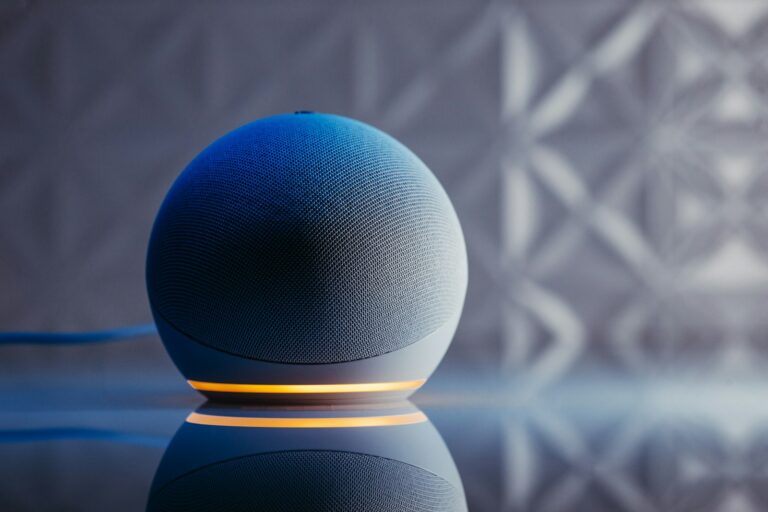
Amazon Echo devices serve as Matter controllers as well, enabling voice control through Alexa. This compatibility ensures that most major smart home platforms can now communicate with each other effectively.
Compatible Matter Controllers:
- Apple HomePod/HomePod mini
- Google Nest Hub/speakers
- Amazon Echo devices
- Samsung SmartThings hubs
Centralized vs. Local Control
Matter supports both centralized and local control methods, giving users flexibility in how they manage their smart home.
Local control allows devices to communicate directly with each other without requiring internet connectivity. This feature is crucial for maintaining functionality during internet outages and reducing response latency.
Matter’s local control capabilities mean your lights will still turn on when you flip a switch, even if your internet is down. The protocol prioritizes on-network communication whenever possible.
Centralized control through cloud services offers additional benefits like remote access and advanced automation. Users can check device status and control their smart home from anywhere with an internet connection.
The balance between these approaches gives Matter an advantage over older systems that relied exclusively on cloud connections, improving both reliability and privacy.
Network Protocols and Matter Certification
Matter relies on several established network protocols to ensure reliable communication between devices. Thread, Wi-Fi, and Bluetooth are the primary technologies supporting Matter connectivity.
Thread creates a mesh network specifically designed for low-power smart home devices. This protocol excels at extending range while maintaining reliability for sensors and small controllers.
Wi-Fi handles higher bandwidth devices like cameras and displays, while Bluetooth assists with the initial device setup process. This multi-protocol approach allows Matter to select the most appropriate connection method for each device type.
Matter certification ensures devices meet specific standards for compatibility and security. Manufacturers must pass rigorous testing before earning the Matter badge, which serves as a guarantee to consumers that devices will work within the ecosystem.
Matter Connection Technologies:
- Thread (mesh networking)
- Wi-Fi (high-bandwidth devices)
- Bluetooth LE (device setup)
- Ethernet (wired connections)
Frequently Asked Questions
Matter represents a significant advancement in smart home technology. The protocol addresses common issues like compatibility and security while making device setup easier for average users.
How does the Matter protocol enhance smart home automation?
Matter enhances smart home automation by creating a unified language for devices to communicate. This means less confusion when buying new smart home products.
The protocol uses familiar technologies like Bluetooth Low Energy for setup and Wi-Fi and Thread for connectivity. This combination makes devices work together seamlessly.
Matter also simplifies the user experience by eliminating the need for multiple apps and hubs. Devices can be controlled through a single interface regardless of their manufacturer.
What types of devices are compatible with Matter home automation?
Many common smart home devices are compatible with Matter. These include light bulbs, switches, thermostats, and door locks.
The Matter 1.3 specification, published in May 2024, added energy management, EV charging, and water management features. This expansion brings more device types into the Matter ecosystem.
Major brands are increasingly adopting Matter standards. This means consumers have more options when shopping for compatible devices.
In what ways is the Matter standard different from other automation protocols like Zigbee or Z-Wave?
Matter is more inclusive than prior standards. While Zigbee and Z-Wave are proprietary protocols, Matter is built as an open standard with industry-wide support.
Matter operates as a half-stack solution that works on top of existing technologies. It can use Wi-Fi or Thread for the actual network connections.
The protocol was developed by the Connectivity Standard Alliance with support from Apple, Google, Amazon, and many other tech companies. This broad industry backing sets it apart from earlier standards.
How can users integrate Matter-enabled devices with existing smart home ecosystems such as HomeKit or Alexa?
Integration with existing ecosystems is straightforward with Matter. The protocol was designed to work with major platforms like HomeKit, Alexa, and Google Home.
Matter is essentially a software update that ensures devices work together. Users don’t need to replace their existing controllers if they’re from major brands.
Most major smart home platforms have already updated their systems to support Matter. This allows for simple integration without additional hardware in many cases.
What are the security features of the Matter home automation system?
Matter incorporates strong encryption and authentication mechanisms. Every device must verify its identity before joining a Matter network.
The protocol uses industry-standard security practices. This helps protect user data and prevents unauthorized access to the smart home system.
Regular security updates are part of the Matter standard. This ensures that vulnerabilities can be addressed quickly as they are discovered.
How is the Matter Hub used within a smart home setup?
A Matter hub serves as the central connection point for compatible devices. It manages communications between different devices and your home network.
Many existing smart speakers and home controllers can act as Matter hubs. This means users may not need to purchase additional hardware.
The hub handles important functions like device onboarding, security verification, and maintaining device connections. It simplifies management of the entire smart home ecosystem.