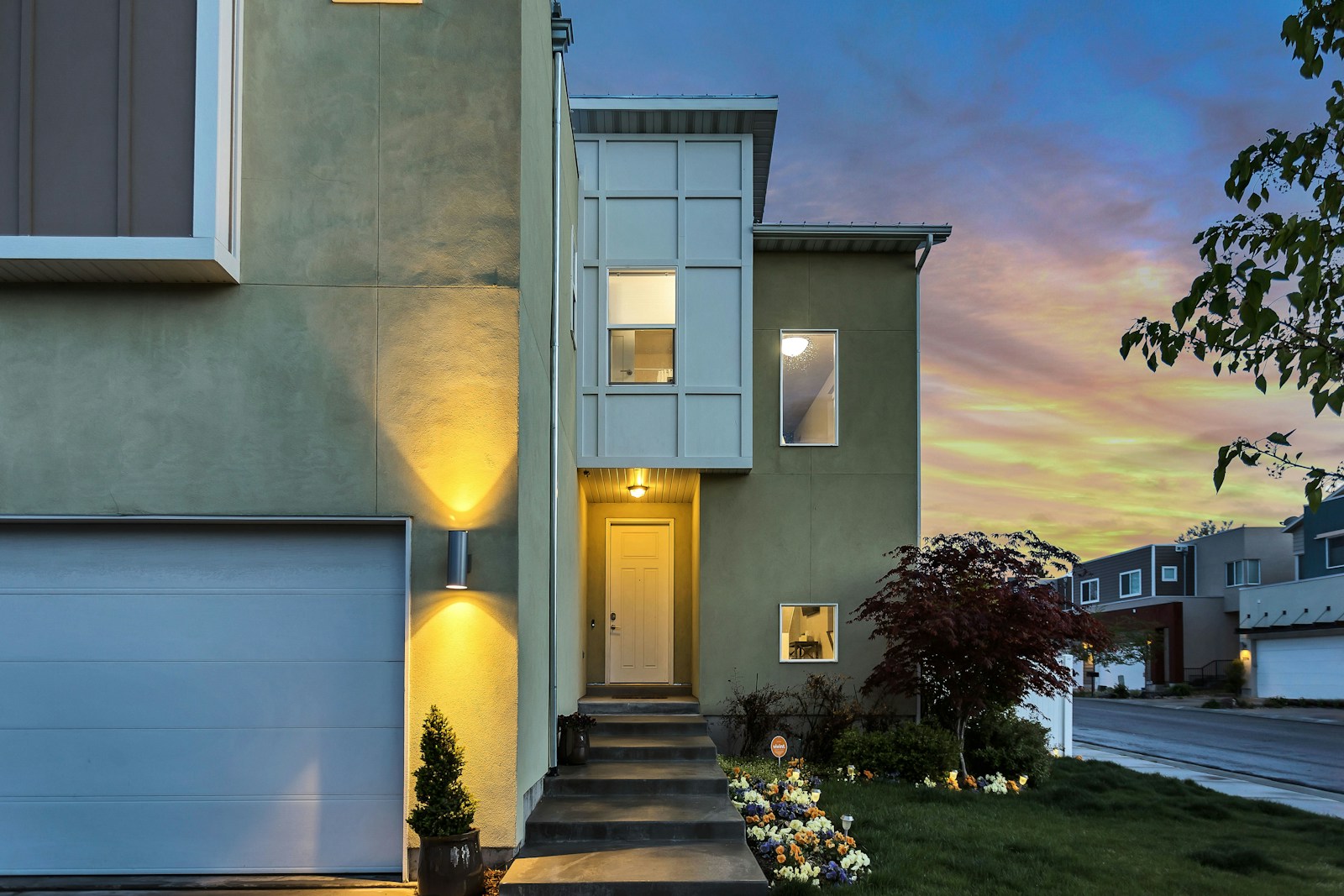
Smart home security systems have transformed how we protect our homes in the digital age. These systems combine cameras, motion sensors, alarms, and smart devices to create a comprehensive safety network that you can monitor and control from anywhere. A home security system is a group of physical electronic components that all work together to protect your home from threats like break-ins, fires, and other emergencies.
When shopping for smart home security, you’ll find options ranging from simple doorbell cameras to complete systems with professional monitoring. Many security systems are scalable, allowing homeowners to start small and add more components as needed. Popular features include smart doorbell cameras that let you see visitors, motion sensors that detect unusual activity, and smartphone apps for remote monitoring.
The convenience of smart security goes beyond basic protection. Modern systems integrate with other smart home devices like lights, thermostats, and voice assistants. This allows for automated routines like having lights turn on when motion is detected or receiving alerts when someone enters your home while you’re away. Smart security cameras give homeowners peace of mind by providing real-time video feeds accessible from smartphones, tablets, or computers.
Everything You Need To Know About Smart Home Security Systems
Smart home security systems have revolutionized the way we protect our homes, combining traditional security measures with cutting-edge technology. Whether you’re a first-time homeowner or looking to upgrade your current setup, this comprehensive guide covers everything you need to know about modern smart home security systems.
What is a Smart Home Security System?
A smart home security system integrates traditional security features—like alarms, cameras, and sensors—with internet connectivity and smart technology. This allows you to monitor, control, and automate your home security from anywhere using your smartphone, tablet, or voice commands (source: Royal Sprinter).
Key Components of Smart Home Security Systems
1. Security Cameras
- Indoor and Outdoor Options: Monitor every angle of your property.
- HD/4K Video Quality: Crystal-clear footage for identification.
- Night Vision: See what happens even in complete darkness.
- Motion Detection: Alerts when movement is detected.
- Two-Way Audio: Communicate with visitors or intruders remotely.
2. Door and Window Sensors
- Detect when doors or windows are opened.
- Send instant alerts to your smartphone.
- Can trigger alarms or recording when breached.
3. Motion Sensors
- Detect movement inside or outside your home.
- Useful for monitoring hallways, garages, and entry points.
4. Smart Locks
- Keyless entry with PIN codes or smartphone access.
- Remote locking/unlocking capability.
- Activity logs showing who entered and when.
5. Smart Doorbells
- Video doorbells with HD cameras.
- Motion alerts and two-way communication.
- Record visitors even when you’re not home.
6. Control Panel and Hub
- Central command center for your system.
- Arm/disarm your system and manage devices.
- Connects all components via Wi-Fi or cellular network.
7. Environmental Sensors
- Smoke, carbon monoxide, and water leak detectors.
- Send alerts for potential hazards beyond break-ins.
Essential Features to Look For
Professional Monitoring vs. Self-Monitoring
- Professional Monitoring: Security company monitors 24/7 and contacts authorities when needed (monthly fee applies).
- Self-Monitoring: You receive alerts and decide when to call authorities (usually cheaper or free).
Smart Home Integration
Many systems integrate with popular smart home platforms (source: SafeHome.org):
- Amazon Alexa: Voice control for arming/disarming and checking camera feeds.
- Google Home: Similar voice control and automation.
- Apple HomeKit: Integration for iOS users with Siri control.
Mobile App Control
- Real-time notifications and alerts.
- Live video streaming from anywhere.
- Remote arming/disarming.
- Access to recorded footage and activity logs.
Cloud Storage vs. Local Storage
- Cloud Storage: Video recordings stored online (subscription often required).
- Local Storage: Recordings saved to SD card or hard drive (one-time cost).
DIY Installation vs. Professional Installation
- DIY: Affordable, easy setup with wireless components (source: Security.org).
- Professional: Expert installation ensures optimal placement and configuration.
Popular Smart Home Security Brands (2025)
1. Ring (by Amazon)
- Affordable video doorbells and cameras.
- Easy DIY installation.
- Integrates seamlessly with Alexa.
2. SimpliSafe
- No-contract, DIY system.
- Optional professional monitoring.
- Wide range of sensors and devices.
3. ADT
- Established professional monitoring.
- Comprehensive system with cellular backup.
- Professional installation available.
4. Cove
- Disrupted the market with affordable pricing (source: Security.org).
- Lifetime equipment warranty.
- Professional monitoring with no long-term contracts.
5. Google Nest
- Advanced AI-powered cameras.
- Seamless Google Home integration.
- Facial recognition and smart alerts.
6. Arlo
- Wire-free cameras with long battery life.
- 4K video quality options.
- Advanced motion detection and lighting.
Benefits of Smart Home Security Systems
| Benefit | Description |
|---|---|
| Remote Access | Monitor and control your home from anywhere with internet connection |
| Real-Time Alerts | Instant notifications for security events or emergencies |
| Deterrent Effect | Visible cameras and sensors discourage potential intruders |
| Evidence Collection | Recorded footage helps identify intruders and provides evidence |
| Insurance Discounts | Many insurers offer discounts for homes with security systems |
| Smart Automation | Integrate with lights, locks, and thermostats for enhanced security |
| Peace of Mind | Know your home is protected even when you’re away |
Installation Tips
DIY Installation
- Plan Your Layout: Identify vulnerable entry points and high-traffic areas.
- Test Equipment: Ensure all devices connect properly before permanent mounting.
- Optimize Camera Angles: Cover doors, windows, driveways, and blind spots.
- Secure Your Wi-Fi: Use strong passwords and encryption to prevent hacking.
- Regular Maintenance: Test sensors monthly and replace batteries as needed.
Professional Installation
- Experts assess your home’s specific needs.
- Optimal placement for maximum coverage.
- Professional setup ensures all components work together.
Best Practices for Smart Home Security
- Use Strong, Unique Passwords: Protect your system from unauthorized access.
- Enable Two-Factor Authentication: Add extra security layer to your accounts.
- Keep Firmware Updated: Regular updates patch security vulnerabilities.
- Create User Access Levels: Limit who can arm/disarm or view footage.
- Backup Power Source: Ensure your system works during power outages.
- Regular System Tests: Monthly checks ensure everything functions properly.
- Secure Your Network: Use WPA3 encryption and separate IoT devices on guest network.
Cost Considerations
| Component | Typical Cost Range |
|---|---|
| Basic DIY System | $200 – $500 |
| Advanced DIY System | $500 – $1,500 |
| Professional System | $600 – $3,000+ |
| Monthly Monitoring | $10 – $60/month |
| Cloud Storage | $3 – $30/month |
| Professional Installation | $100 – $500 |
Common Concerns and Solutions
Privacy Concerns
- Choose reputable brands with strong encryption.
- Review privacy policies before purchasing.
- Disable cameras in private areas when home.
False Alarms
- Adjust sensor sensitivity settings.
- Create activity zones to ignore pets or traffic.
- Use smart alerts that distinguish between people, animals, and vehicles.
Internet Dependency
- Choose systems with cellular backup.
- Local storage options ensure recording continues during outages.
- Battery backup keeps systems running during power failures.
Future Trends in Smart Home Security
- AI and Machine Learning: Better threat detection and fewer false alarms.
- Facial Recognition: Identify family members vs. strangers automatically.
- Enhanced Integration: Deeper connections with all smart home devices.
- Proactive Security: Systems that predict and prevent security breaches.
- 5G Connectivity: Faster, more reliable remote access and streaming.
Conclusion
Smart home security systems offer unprecedented control, convenience, and peace of mind (source: Smart Security Concierge). From basic DIY setups to comprehensive professionally monitored systems, there’s an option for every home and budget.
When choosing a system, consider your specific needs, budget, and desired features. Whether you prioritize professional monitoring, smart home integration, or cost-effectiveness, today’s market offers innovative solutions that make home security more accessible and effective than ever before (source: Wildcat Reviews).
Invest in a smart home security system today and protect what matters most—your home, family, and peace of mind.
Key Takeaways
- Smart home security systems combine multiple devices and sensors to protect your property while offering convenient remote monitoring through smartphone apps.
- Most security systems are customizable and can grow with your needs, allowing you to add components like cameras, door sensors, and professional monitoring services over time.
- Modern smart security integrates with other home automation features, enhancing both protection and convenience through features like remote access and instant alerts.
Understanding Smart Home Security Systems
Smart home security systems use advanced technology to protect homes through connected devices that work together as a coordinated network. These systems have evolved significantly over time to offer homeowners more control and peace of mind.
Evolution of Home Security
Home security has come a long way from simple door locks and alarm systems. Traditional security systems relied on basic sensors and loud alarms to deter intruders. They typically required professional installation and monitoring services with monthly fees.
Today’s smart home security systems represent a massive technological leap. These modern systems incorporate wireless technology, smartphone connectivity, and artificial intelligence to provide comprehensive protection.
The transformation began in the early 2000s with the introduction of internet-connected cameras. By the 2010s, fully integrated smart security systems became mainstream, allowing homeowners to monitor and control their security from anywhere using mobile devices.
Recent innovations include facial recognition, behavioral analysis, and predictive technologies that can identify potential security threats before they occur.
Key Components of Smart Home Security
A complete smart home security system consists of several essential components working together:
Smart Cameras: High-definition cameras with features like night vision, motion detection, and two-way audio allow homeowners to see and communicate with visitors.
Door/Window Sensors: These detect when entry points are opened or broken, triggering alerts.
Motion Detectors: These sensors identify movement in specified areas and can distinguish between people, pets, and other moving objects.
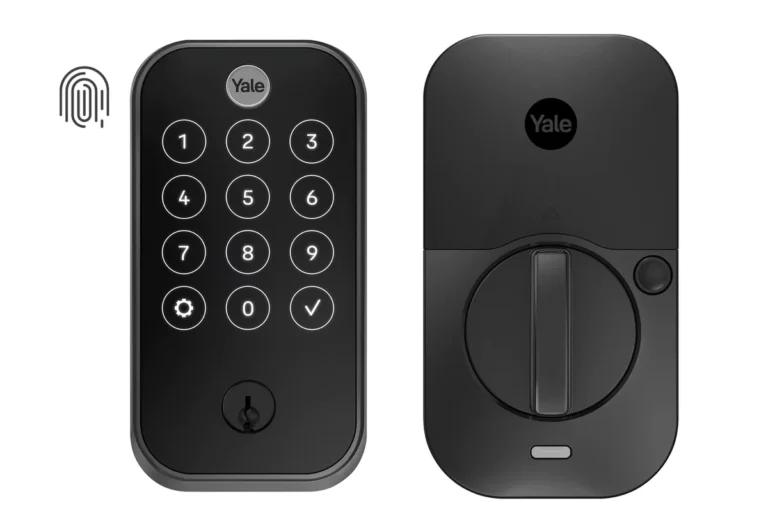
Smart Locks: Electronic door locks can be controlled remotely and often feature keyless entry via PIN codes or fingerprints.
Central Hub: This serves as the system’s brain, connecting all devices and communicating with the homeowner’s smartphone.
Smart Alarms: Modern alarms can be programmed to alert homeowners, security companies, or even local authorities when triggered.
The Role of IoT in Home Security
The Internet of Things (IoT) has revolutionized home security by enabling devices to communicate with each other and with homeowners. This interconnectivity forms the backbone of modern smart security systems.
IoT allows security devices to share data and work together intelligently. For example, when a motion sensor detects movement, it can trigger cameras to start recording and lights to turn on automatically.
Cloud connectivity enables remote access and monitoring through mobile apps. Homeowners can receive notifications and alerts about suspicious activity directly on their smartphones, regardless of their location.
AI and machine learning enhance IoT security systems by analyzing patterns and learning to distinguish between normal activities and potential threats. This reduces false alarms and improves overall system effectiveness.
Data collected by IoT devices also helps security companies improve their products and services based on real-world usage and threat patterns.
Leading Smart Home Security Brands
Several companies have emerged as leaders in the smart home security market, offering innovative products that connect to create comprehensive protection systems. These brands combine cutting-edge technology with user-friendly interfaces to provide homeowners with peace of mind.
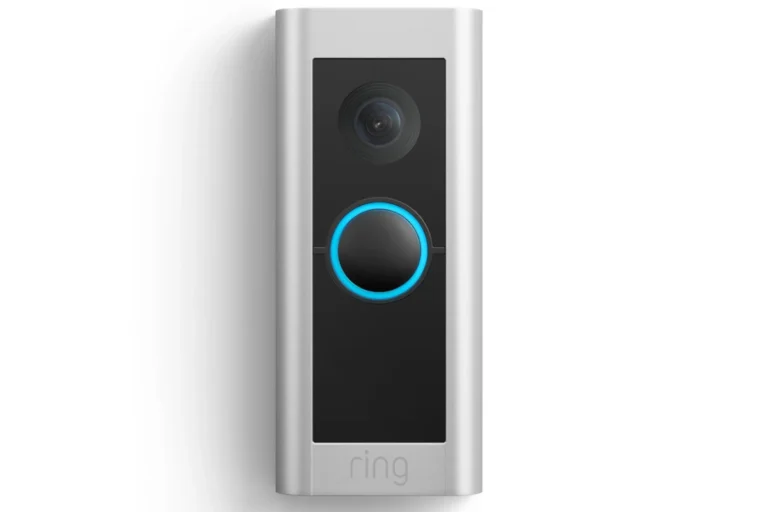
Ring and its Video Doorbell
Ring revolutionized home security with its popular Video Doorbell, which allows homeowners to see and speak with visitors from anywhere using their smartphones. The company offers several doorbell models at different price points, from basic options to advanced versions with features like 3D motion detection and bird’s-eye view.
Beyond doorbells, Ring has expanded its ecosystem to include:
- Indoor and outdoor security cameras
- Alarm systems with professional monitoring options
- Smart lighting products
- Environmental sensors (flood/freeze detectors)
Ring’s strength lies in its seamless integration with other devices. All Ring products connect through a single app, making it easy to monitor everything from one place.
The company offers both DIY installation and professional setup options. Their affordable monitoring plans start around $10/month with no long-term contracts required, making them accessible to many homeowners.
Google’s Nest Ecosystem
Google’s Nest line provides comprehensive security through interconnected smart devices. The Nest security system centers around their cameras, which feature advanced AI capabilities that can distinguish between people, animals, and vehicles.
Nest’s security cameras offer impressive features:
- Facial recognition technology (identifies familiar faces)
- 24/7 continuous recording options
- Clear night vision capabilities
- Two-way audio communication
What sets Nest apart is its integration with other Google smart home products. The Nest Hub acts as a control center, allowing users to view camera feeds and manage all connected devices.
Google emphasizes privacy with Nest products. Their cameras include physical privacy shutters and multiple layers of data encryption. Nest Aware subscription enhances functionality with extended video history and intelligent alerts, though the systems function well even without the subscription.
Amazon Alexa-Enabled Devices
Amazon has built a robust security ecosystem around their Alexa voice assistant. Their security options include both Amazon-branded devices and third-party products that integrate with Alexa.
Key Amazon security offerings include:
- Echo devices with Guard Plus features (listens for concerning sounds)
- Blink cameras (affordable, battery-powered options)
- Ring products (Amazon acquired Ring in 2018)
- Compatible third-party sensors and alarms
Amazon’s strength is in creating a connected experience. Users can arm their security system, check camera feeds, or lock doors using simple voice commands through any Alexa device.
The company regularly adds new security features to Alexa. For example, Away Lighting can automatically turn lights on and off to simulate someone being home. Their Routines feature allows users to program multiple security actions with a single command or trigger.
Setting Up Your Smart Home Security
Setting up a smart home security system requires careful planning and consideration of installation methods and compatibility with existing devices. The right approach depends on your technical comfort level and specific home security needs.
The Initial Setup Process
Before installing any equipment, assess your home’s security needs. Identify vulnerable entry points like doors and windows that need monitoring. Create a list of security priorities – whether it’s monitoring for intruders, watching for fire hazards, or keeping an eye on your kids.
Most smart home security systems begin with a central hub or base station. This serves as the brain of the operation, connecting all devices together. Position this hub centrally in your home for optimal connectivity.
Next, install door and window sensors at key entry points. These small devices alert you when entries are opened unexpectedly. Mount security cameras in strategic locations that cover the most area while avoiding privacy concerns.
Finally, connect everything to your home Wi-Fi and download the corresponding mobile app. Most systems require creating an account and following guided setup instructions.
Professional Installation vs. DIY
DIY installation has become increasingly popular as smart home security technology has become more user-friendly. These systems typically come with adhesive mounts, simple instructions, and intuitive mobile apps for guidance.
The benefits of DIY include lower costs, no installation fees, and flexibility to change your setup whenever needed. However, complex setups or larger properties might be challenging for beginners.
Professional installation offers expertise and peace of mind. Technicians properly position sensors, cameras, and other equipment for maximum effectiveness. They can also hide wiring and ensure all components communicate properly.
While more expensive, professional installation often includes a system overview, training, and sometimes ongoing support. Some companies offer monitoring services bundled with installation.
The best choice depends on your technical comfort level, budget, and the complexity of your desired system.
Integrating With Existing Smart Home Systems
Modern security systems should work seamlessly with other smart devices in your home. Before purchasing, check compatibility with popular home automation systems like Amazon Alexa, Google Home, or Apple HomeKit.
Integration allows convenient control of multiple devices through a single app or voice commands. For example, saying “Good night” could arm your security system, lock doors, and turn off lights simultaneously.
Many security systems can connect with:
- Smart locks for keyless entry
- Video doorbells to see who’s at your door
- Smart lighting that simulates occupancy when you’re away
- Smoke detectors and carbon monoxide sensors
When setting up your smart home, consider using devices from the same ecosystem for better compatibility. If mixing brands, look for those that support standardized protocols like Zigbee, Z-Wave, or Matter.
Remember that adding security devices to your network increases the importance of having strong Wi-Fi passwords and enabling two-factor authentication on your accounts.
Key Features of Smart Home Security Devices
Smart home security systems offer several essential features that provide comprehensive protection. These connected devices work together to monitor, alert, and safeguard your property whether you’re home or away.
Real-Time Monitoring and Notifications
Modern smart home security systems allow homeowners to keep tabs on their property 24/7 from anywhere. Users can access live video feeds and system status through dedicated mobile apps on smartphones or tablets.
When unusual activity is detected, the system sends instant alerts to the user’s devices. These notifications can be customized based on importance and preference, ensuring homeowners are informed about relevant events.
Many systems offer cloud storage for security footage, allowing users to review past events. This feature proves invaluable when investigating incidents or providing evidence if needed.
Advanced systems integrate with other smart home features, allowing for automated responses. For example, when a security camera detects movement, it can trigger lights to turn on or doors to lock automatically.
Motion Detection and Motion Sensors
Motion sensors are crucial components that detect unauthorized movement in protected areas. These devices use various technologies including passive infrared (PIR), microwave, or dual-technology sensors for reliable detection.
Modern sensors can distinguish between pets and people, reducing false alarms. This intelligent filtering ensures homeowners aren’t bombarded with unnecessary alerts every time their cat walks through the living room.
Strategic placement of motion sensors offers complete coverage of entry points and valuable areas. Common locations include doorways, hallways, and rooms with expensive items or important documents.
Key placement areas for motion sensors:
- Main entryways (front/back doors)
- First-floor windows
- Hallways
- Areas containing valuables
- Garages and basement entrances
Two-Way Audio and Communication
Two-way audio capability allows users to both listen and speak through their security devices. This feature transforms security cameras and doorbells into communication tools, not just monitoring devices.
When someone approaches the door, homeowners can have a conversation without opening it. This adds a layer of safety when dealing with unexpected visitors or delivery personnel.
The audio feature also serves as a deterrent to potential intruders. Being able to speak through a security camera can surprise and discourage someone attempting to break in.
Many systems include noise cancellation and echo reduction technology for clear communication. These audio enhancements ensure conversations remain intelligible even in noisy environments or through doors.
Emergency communication is another benefit, allowing homeowners to speak with family members during incidents. This can be particularly valuable for checking on children or elderly family members during emergencies.
Enhancing Your Home Security
Modern security solutions combine technology and smart features to protect homes more effectively than traditional methods. These systems work together to create multiple layers of protection for your property.
Smart Locks and Access Control
Smart locks have revolutionized how homeowners secure and access their properties. These devices replace traditional key systems with digital alternatives that offer greater control and convenience.
Most smart locks allow users to:
- Create temporary access codes for visitors
- Lock/unlock doors remotely via smartphone
- Receive notifications when doors are accessed
- Integrate with voice assistants like Alexa or Google Home
Many models feature automatic locking after a set period, ensuring doors aren’t accidentally left unlocked. Some advanced systems incorporate biometric technology such as fingerprint scanning for enhanced security.
For families with children or homes with frequent guests, smart locks eliminate the security risks of lost or copied keys. The ability to grant specific access permissions creates a clear record of who enters and leaves the property.
Smart Lighting as a Deterrent
Strategic lighting significantly reduces a home’s vulnerability to break-ins. Smart lighting systems can be programmed to mimic occupancy patterns when homeowners are away.
Key smart lighting security features include:
- Motion-activated lights that illuminate when movement is detected
- Scheduled lighting routines that simulate presence
- Remote control via smartphone apps
- Integration with other security devices
These systems can create the impression that someone is home by automatically turning lights on and off in different rooms throughout the evening. When paired with motion sensors, outdoor lights can instantly illuminate suspicious activity.
Many smart bulbs require minimal installation—simply replacing existing bulbs with smart versions. For enhanced security, homeowners should focus on exterior entryways, walkways, and dark corners of the property.
The Use of Outdoor Cameras
Outdoor security cameras serve as both deterrents and evidence-gathering tools. Modern systems offer high-definition video quality and night vision capabilities for round-the-clock monitoring.
When selecting outdoor cameras, consider these important factors:
- Weather resistance ratings (IP65 or higher recommended)
- Field of view (wider angles cover more area)
- Storage options (local SD card vs. cloud subscription)
- Power source (wired vs. battery-operated)
Strategic placement maximizes effectiveness. Cameras should cover all entry points, including doors, first-floor windows, and garages. Many systems now feature AI capabilities that distinguish between people, animals, and vehicles.
Doorbell cameras offer specialized monitoring for package deliveries and visitors. These devices send real-time alerts when motion is detected, allowing homeowners to respond immediately through two-way audio communication.
Remote Management and Control
Modern smart home security systems offer powerful options for managing your home protection from anywhere. The convenience of controlling your system remotely has transformed how homeowners monitor and secure their properties.
Using Smartphones and Tablets
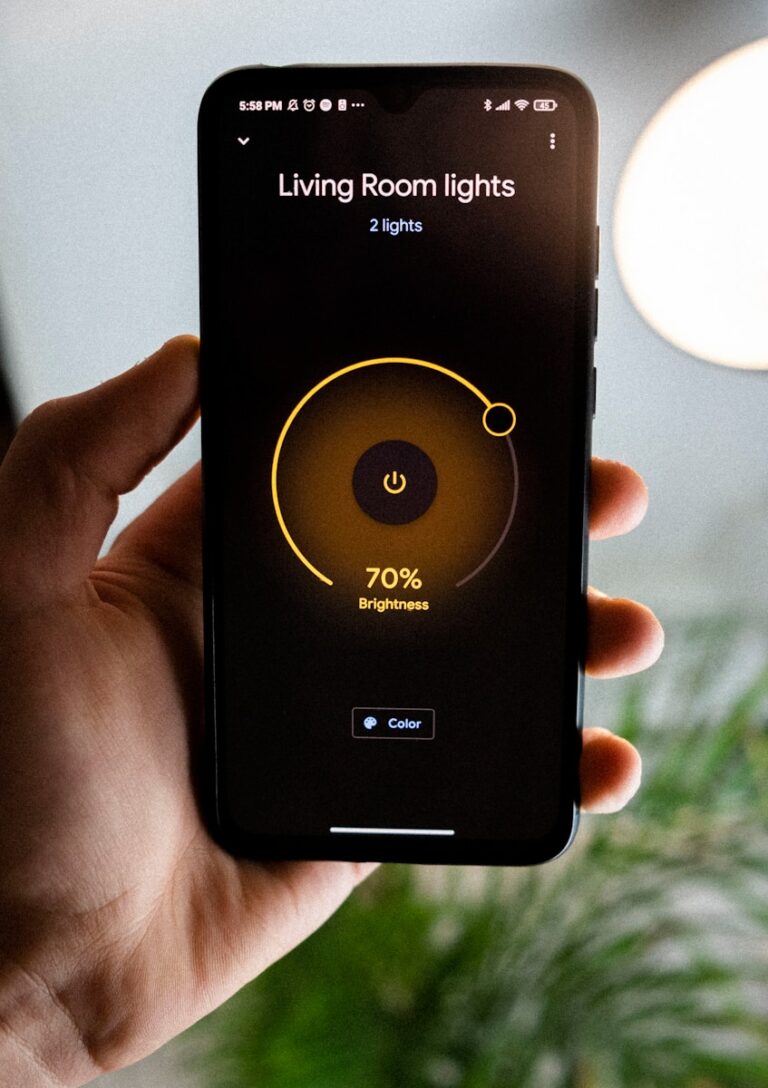
Smart home security systems can be controlled through dedicated apps on your smartphone or tablet. These applications provide an intuitive interface to arm or disarm the system with just a few taps.
Most security apps allow users to customize notification settings based on specific triggers. For example, users can receive alerts when doors open or when motion is detected in designated areas.
Many systems include geofencing capabilities that recognize when your smartphone leaves or enters your property. This feature can automatically arm the system when you leave and disarm it when you return home.
Advanced apps often include scheduling features that allow users to program automatic security routines. These might include locking doors, turning on lights, or activating cameras at specific times.
Voice Control with Smart Speakers
Integrating smart speakers with security systems adds another layer of convenience. Popular voice assistants like Amazon Alexa, Google Assistant, and Apple Siri can control many security functions through simple voice commands.
Users can ask their smart speakers to arm or disarm the system, lock doors, or check the status of security devices. This hands-free control is particularly useful when entering with groceries or when unable to reach a smartphone.
Many systems allow the creation of custom voice commands or routines. For example, saying “Goodnight” could trigger the system to lock all doors, arm the security system, and turn off lights.
Voice verification features in advanced systems provide an additional security layer. This technology ensures only authorized voices can perform certain security functions.
Security Camera Feeds and Alerts
Real-time camera feeds are a critical component of modern security systems. Homeowners can view live footage from security cameras and video doorbells directly through their mobile apps.
Most systems send instant alerts with video clips when motion is detected or when someone rings the doorbell. This allows homeowners to see who is at their door or check on unexpected activity immediately.
Many video doorbells include two-way audio, enabling conversations with visitors from anywhere. This feature helps deter package theft and allows communication with delivery personnel when away.
Cloud storage options let users review recorded footage from days or weeks prior. This historical record proves invaluable when investigating security incidents or verifying visitor arrivals.
Advanced systems include AI capabilities that can distinguish between people, animals, and vehicles. This reduces false alarms and ensures users only receive relevant notifications.
Challenges and Considerations
Smart home security systems offer numerous benefits, but they come with important challenges that homeowners need to address. Reliable connectivity, power management, and data protection form the foundation of a secure and effective smart home setup.
Ensuring Reliable Wi-Fi Connectivity
A stable Wi-Fi connection is crucial for smart home security systems to function properly. Many devices experience disconnections or performance issues when signals are weak or interrupted.
Common Wi-Fi issues include:
- Dead zones in larger homes
- Interference from other electronic devices
- Router placement problems
- Bandwidth limitations with multiple connected devices
For optimal performance, consider using mesh Wi-Fi systems that extend coverage throughout your home. Strategically place your router in a central location away from walls and metal objects.
Regular router reboots can resolve many connectivity glitches before they impact your security system. Some newer systems also support alternative connection methods like Z-Wave or Zigbee, which can provide more reliable device communication.
Dealing with Electricity and Battery Backups
Power interruptions pose serious risks to smart home security systems that rely on electricity. Without proper backup solutions, outages can leave your home vulnerable.
Essential power backup options:
- Uninterruptible Power Supply (UPS) for critical components
- Battery-powered devices for core security functions
- Solar charging options for outdoor cameras and sensors
Most quality security systems include battery backups that last 24-48 hours during outages. For longer protection, consider a whole-house generator or dedicated UPS system for your security hub.
Smart power strips can help manage electricity usage and protect devices from power surges. Many smart home systems now include power monitoring features that alert you when devices go offline due to power issues.
Data Privacy and Security Concerns
Smart home devices collect extensive data about your home and habits, making privacy and security critical considerations. Protecting this information requires proactive measures.
Key security vulnerabilities include:
- Weak default passwords
- Outdated firmware
- Unsecured Wi-Fi networks
- Inadequate encryption
Smart home devices are vulnerable to various cyber threats, including malware, hacking, and unauthorized access. Regularly update all device firmware and use strong, unique passwords for each component of your system.
Enable two-factor authentication whenever available, and consider segmenting your home network to isolate security devices. Review privacy policies of device manufacturers to understand what data is collected and how it’s used.
Some security systems offer local storage options instead of cloud-based solutions, which can reduce privacy risks associated with third-party data storage. Regular security audits help identify and address potential vulnerabilities before they can be exploited.
Looking Towards the Future
Smart home security is evolving rapidly with new technologies transforming how we protect our homes and interact with security systems. The latest innovations focus on AI integration, energy efficiency, and seamless connectivity with other smart devices.
Emerging Trends in Smart Home Security
The smart home security landscape of 2025 will look dramatically different from today’s systems. AI-powered facial recognition is becoming a standard feature, allowing systems to distinguish between family members and potential intruders with remarkable accuracy.
Cutting-edge sensor technology is also revolutionizing home protection. These advanced sensors can detect subtle environmental changes like air quality shifts or unusual sound patterns that might indicate a security breach.
Some companies are even developing domestic surveillance drones that provide active protection by patrolling property perimeters. These autonomous devices offer unprecedented monitoring capabilities.
Security providers like Vivint are investing heavily in predictive analytics, enabling systems to identify potential threats before they become problems. This proactive approach represents a significant shift from traditional reactive security measures.
Energy Efficiency and Smart Thermostats
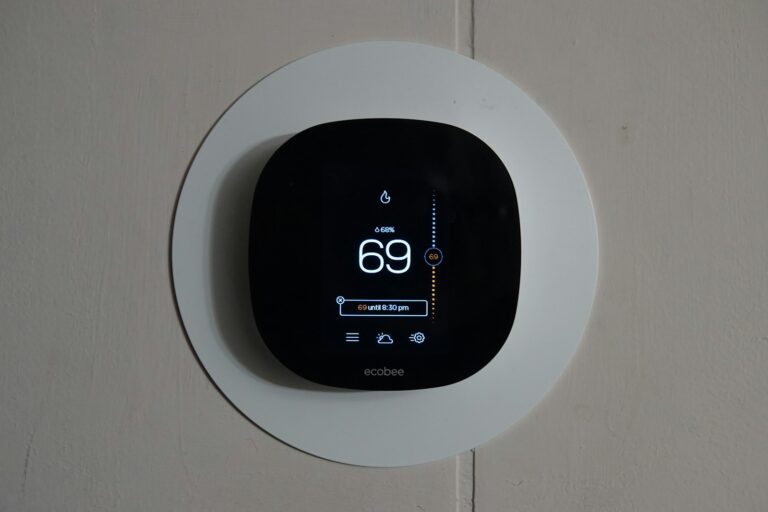
Smart thermostats are becoming integral components of comprehensive home security systems. These devices do more than just control temperature—they learn household patterns and optimize energy usage automatically.
Modern systems can detect when no one is home and adjust settings accordingly, reducing energy consumption by 10-15% on average. This functionality translates to significant cost savings while reducing environmental impact.
Many security providers now offer integrated energy management as part of their security packages. These systems monitor electricity usage patterns and suggest optimization strategies.
Energy-Saving Features:
- Motion-based temperature adjustment
- Geofencing capabilities for automatic adjustments
- Usage pattern learning
- Remote management via smartphone
- Integration with utility company programs for peak savings
Integration with Smart Home Gadgets
The future of home security lies in seamless integration with all smart home devices. Modern systems function as central hubs that coordinate everything from door locks to lighting systems.
Voice control has become a standard feature, allowing homeowners to manage security settings through simple commands. Major platforms like Google Assistant, Alexa, and Siri offer comprehensive integration with leading security systems.
Smart home security systems now communicate with entertainment systems, allowing for security profiles that automatically adjust lighting, music, and temperature based on who’s home.
Lighting automation has evolved beyond simple timers. AI-driven systems analyze typical usage patterns and create realistic occupancy simulations when homeowners are away, deterring potential intruders more effectively than predictable programs.
Water leak detection and automatic shut-off capabilities are being integrated into comprehensive security packages, protecting homes from both intruders and environmental hazards.
Frequently Asked Questions
Smart home security systems come with many options and technical considerations. Let’s address some common questions to help you make informed decisions for your home’s safety and automation needs.
What are the essential components of a smart home security system?
A basic smart home security setup typically includes several key devices. Door and window sensors detect unauthorized entry points. Motion detectors monitor for movement when the system is armed.
Security cameras provide visual monitoring and evidence collection capabilities. Many systems also include a central hub or control panel to manage all connected devices.
Smart locks offer keyless entry and remote access control. Some systems include glass break sensors and environmental monitors for smoke, carbon monoxide, or water leaks.
How do smart home security systems integrate with IoT devices?
Modern security systems connect with other smart home devices through standard protocols like Wi-Fi, Z-Wave, or Zigbee. This allows for seamless communication between different brands and types of devices.
Voice assistants like Amazon Alexa, Google Assistant, and Apple HomeKit can control security features through simple commands. Users can create automated routines that trigger multiple devices simultaneously based on specific events.
For example, when a motion sensor detects movement, it can turn on lights, send smartphone notifications, and begin recording on nearby cameras. This integration creates a comprehensive ecosystem rather than isolated security components.
What are the differences between professional and DIY home security systems?
Professional systems typically include installation services, ongoing monitoring by security experts, and emergency response coordination. They often require contracts and monthly fees but provide peace of mind through 24/7 professional oversight.
DIY systems offer more flexibility with no long-term commitments and generally lower costs. Homeowners can install components themselves and expand the system gradually as needed.
Professional systems may use proprietary technology that works reliably but limits customization options. DIY systems tend to offer more integration with third-party devices but may require more technical knowledge to set up correctly.
What are common vulnerabilities in smart home security systems?
Weak passwords represent one of the biggest security risks. Many users never change default login credentials, creating easy access points for hackers.
Outdated firmware can leave security devices vulnerable to known exploits. Regular updates are essential to patch security holes as they’re discovered.
Unsecured Wi-Fi networks may allow attackers to intercept data or gain access to connected devices. Strong encryption standards like AES 128-bit and Transport Layer Security help protect against these threats.
Some lower-quality devices lack proper security certifications or use unencrypted communications. Physical tampering remains a concern if components can be easily disabled by intruders.
How does smart home security contribute to overall home automation?
Security systems often serve as the foundation for broader home automation implementations. They create trigger events that can initiate other smart home functions based on security status.
Energy management becomes more efficient when security sensors detect occupancy and adjust thermostats or lighting accordingly. For example, when the security system is armed in “away” mode, it can automatically lower the temperature and turn off unnecessary lights.
Advanced systems use artificial intelligence to learn household patterns and detect anomalies that might indicate security concerns. This same technology improves automation by predicting user preferences based on historical behavior.
What factors should be considered when choosing the best smart home security system for your needs?
Budget constraints will significantly impact available options, from upfront equipment costs to potential monthly monitoring fees. Home security costs vary widely based on features and service levels.
Property size and layout determine the number and types of sensors needed for complete coverage. Larger homes may require mesh network technology to ensure reliable communication between distant devices.
Technical expertise should be honestly assessed, as some systems require more setup and maintenance knowledge than others. Wired systems offer reliability but need more complex installation, while wireless options provide easier setup but may have connectivity challenges.
Lifestyle factors matter too—frequent travelers might prioritize remote access features and professional monitoring, while tech enthusiasts might prefer customizable systems with advanced automation capabilities.