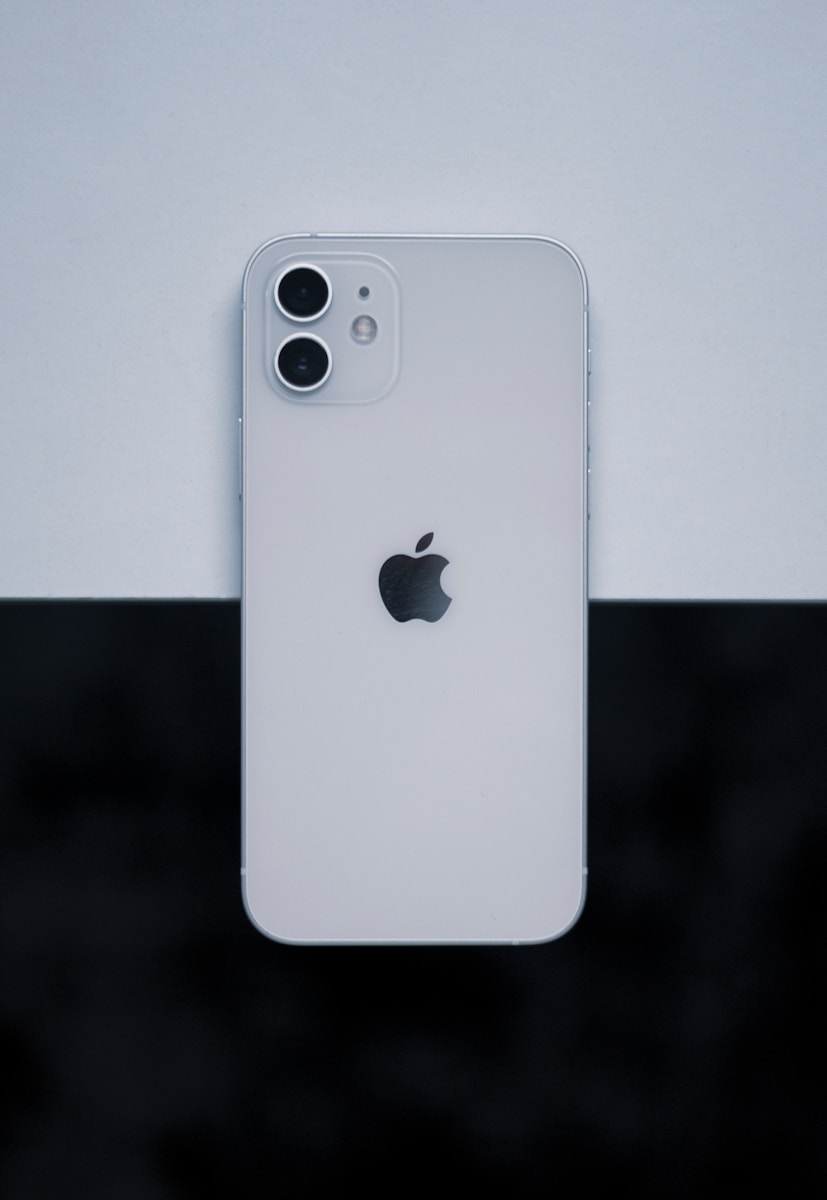
Unlocked phones offer freedom and flexibility, but they come with some drawbacks. These devices may receive slower software updates and security patches compared to carrier-locked phones. This delay can leave users vulnerable to cyber threats and missing out on new features.
Compatibility issues can arise with unlocked phones. Not all unlocked devices work seamlessly across all carrier networks. Users may face limitations in network access or struggle to use certain carrier-specific features. This restriction can be frustrating, especially when traveling or switching service providers.
Upfront costs for unlocked phones are often higher. While they can save money in the long run, the initial investment can be substantial. Users must pay the full price of the device at once, which may strain budgets. Additionally, unlocked phones rarely come with carrier promotions or discounts, potentially making them less cost-effective for some consumers.
Disadvantages of Unlocked Phones: What You Need to Know Before Buying
Unlocked phones have become increasingly popular as consumers look for flexibility and freedom from carrier restrictions. While unlocked devices offer several appealing benefits, they also come with drawbacks that may not suit every user. This guide explores the disadvantages of unlocked phones, while also highlighting their key advantages to help you make an informed decision.
What Is an Unlocked Phone?
An unlocked phone is a device that is not tied to a specific carrier. It can be used with SIM cards from different networks, allowing users to switch carriers without needing a new phone. Unlocked phones are typically purchased directly from manufacturers or retailers rather than through carrier contracts.
Disadvantages of Unlocked Phones
1. Higher Upfront Cost
Unlocked phones usually require paying the full retail price upfront. Unlike carrier-locked devices, which often come with installment plans, trade-in deals, or subsidies, unlocked phones can feel expensive initially.
2. Limited Carrier Promotions
Carrier deals—such as:
- Bill credits
- Free device upgrades
- Contract discounts
are often unavailable for unlocked phones. This can make locked phones more attractive for users who want the lowest short-term cost.
3. Compatibility Issues
Not all unlocked phones support every carrier’s:
- LTE bands
- 5G frequencies
- Network features
This can lead to reduced coverage or slower speeds, especially on smaller carriers or newer 5G networks.
4. No Carrier-Specific Features
Unlocked phones may lack certain carrier-exclusive features, such as:
- Wi‑Fi calling on all networks
- Visual voicemail integration
- Advanced network optimizations
Although most core features work, some carrier services may be limited or unavailable.
5. Less In-Store Support
Carriers often prioritize support for phones purchased directly from them. With an unlocked phone:
- Setup assistance may be limited
- Troubleshooting can take longer
- Warranty claims may require contacting the manufacturer directly
6. Fewer Financing Options
Unlocked phones are commonly purchased outright. While some manufacturers offer financing, it may not be as flexible or widely available as carrier payment plans.
7. Slower Carrier Software Optimization
Carrier-locked phones often receive network-specific firmware optimizations. Unlocked models may:
- Get certain updates later
- Lack carrier-tuned performance tweaks
This difference is usually minor but can affect network performance in some cases.
Advantages of Unlocked Phones
Despite the drawbacks, unlocked phones offer significant benefits that appeal to many users.
1. Freedom to Choose Any Carrier
Unlocked phones allow you to:
- Switch carriers at any time
- Use prepaid or budget plans
- Avoid long-term contracts
This flexibility is especially valuable for frequent travelers or cost-conscious users.
2. Better for International Travel
Unlocked phones work seamlessly with:
- Local SIM cards abroad
- International eSIM plans
This can drastically reduce roaming charges and improve connectivity when traveling.
3. No Carrier Bloatware
Unlocked devices typically come with:
- Cleaner software
- Fewer preinstalled apps
- Less storage usage
This results in a smoother user experience and better performance.
4. Faster Software Updates
Many unlocked phones—especially those purchased directly from manufacturers—receive:
- Faster Android updates
- Security patches without carrier delays
This improves long-term device security and usability.
5. Higher Resale Value
Unlocked phones are:
- Easier to sell
- More attractive to buyers
Since they work on multiple networks, they often retain higher resale value.
6. Ideal for Tech-Savvy Users
Unlocked phones are perfect for users who:
- Like switching carriers
- Customize their devices
- Use dual SIM or eSIM features
Should You Buy an Unlocked Phone?
Unlocked phones are best for users who value flexibility, clean software, and long-term savings, but they may not suit those who rely heavily on carrier promotions or prefer in-store support.
Choose an unlocked phone if you:
- Want freedom from contracts
- Travel frequently
- Prefer buying phones outright
Choose a carrier-locked phone if you:
- Want the lowest upfront cost
- Rely on carrier financing and deals
- Prefer in-person customer support
Final Thoughts
Unlocked phones offer unmatched freedom and long-term value, but they come with trade-offs such as higher upfront costs and fewer carrier perks. Understanding both the disadvantages and advantages ensures you choose the phone that best fits your lifestyle and budget.
Key Takeaways
- Unlocked phones may receive slower software and security updates
- Network compatibility issues can limit carrier options and features
- Higher upfront costs and fewer promotions make unlocked phones less budget-friendly
Security and Software Updates
Unlocked phones face unique challenges with security and software updates. These issues can impact user experience and device longevity.
Dependency on Phone Maker
Unlocked phones rely on manufacturers for software updates. This can lead to delays or inconsistencies in receiving the latest features and security patches. Some manufacturers prioritize their newest models, leaving older unlocked devices with outdated software.
Apple generally provides timely updates for unlocked iPhones. However, Android phone makers vary in their update schedules. Samsung and Google offer regular updates for their unlocked devices. Smaller brands may lag behind or stop updates entirely after a few years.
Users should research a manufacturer’s update history before buying an unlocked phone. This helps ensure long-term software support.
Impact on Operating Systems
Operating system updates can be more complex for unlocked phones. Carriers often optimize OS updates for their specific network configurations. Unlocked devices may miss these optimizations, potentially affecting performance or network compatibility.
Android users with unlocked phones might face fragmentation issues. Different versions of Android may run on various unlocked devices, leading to inconsistent features and security levels across the ecosystem.
iOS updates typically roll out smoothly on unlocked iPhones. However, some carrier-specific features may not be available or may require manual configuration.
Regular OS updates are crucial for maintaining device security and functionality. Unlocked phone users should stay informed about their device’s update status and manually check for updates if automatic notifications fail.
Network Compatibility and Carrier Restrictions
Unlocked phones offer flexibility but face challenges with network compatibility and carrier restrictions. These issues can limit functionality and coverage in certain scenarios.
Differences Between GSM and CDMA Networks
GSM and CDMA are two main cellular network technologies. GSM is more common worldwide, using SIM cards for easy device switching. CDMA, used by some U.S. carriers, traditionally didn’t use SIM cards.
Most unlocked phones support GSM networks. This can cause problems for CDMA network users. Verizon and Sprint historically used CDMA, while T-Mobile and AT&T use GSM.
Today, many phones support both technologies. However, some unlocked devices may still have limited compatibility. Users should check their phone’s network support before purchasing.
Limitations with Carrier-Locked Phones
Carrier-locked phones are tied to specific networks. This restricts user freedom and device resale value.
Locked phones often can’t be used with other carriers. This limits travel options and prevents switching to better plans. Some carriers may unlock phones after contract completion or for a fee.
Carrier locks can also affect software updates. Locked phones may receive updates later than unlocked versions. This can delay access to new features and security patches.
Potential Issues with International Roaming
International roaming with unlocked phones can be tricky. Different countries use various network frequencies and technologies.
Some unlocked phones may not support all global frequencies. This can result in no service or slower data speeds in certain countries. Users should research their destination’s network requirements before traveling.
Roaming charges can also be high with both locked and unlocked phones. Local SIM cards are often cheaper for international use. However, some carrier-locked phones may not accept foreign SIMs, limiting this cost-saving option.
Financial Considerations
Unlocked phones present unique financial aspects for consumers. The pricing structure and long-term value differ from traditional carrier-locked devices.
Upfront Costs Vs. Installment Plans
Unlocked phones often require full payment upfront. This can be a significant expense for high-end models. Many retailers offer financing options to spread the cost over time. Carrier-locked phones typically come with installment plans built into service contracts.
Unlocked devices may have higher initial prices. They don’t include carrier subsidies or discounts. However, the total cost of ownership can be lower in the long run. Users avoid hidden fees and inflated service charges tied to device payments.
Some manufacturers offer their own installment plans for unlocked phones. These plans may have more favorable terms than carrier options. They often come without the requirement of specific service plans.
Resale Value Prospects
Unlocked phones generally maintain higher resale values. Their flexibility to work with multiple carriers increases their appeal in the secondary market. This can offset the higher upfront costs for budget-conscious consumers.
Carrier-locked phones may lose value faster. They are limited to specific networks, reducing the pool of potential buyers. Unlocking a carrier-locked phone can be complex and may void warranties.
The brand and model of the phone also impact resale value. Premium brands like Apple tend to hold their value better. iPhones, even when carrier-locked, often retain higher resale values due to their popularity and ecosystem.
Insurance plans and extended warranties like AppleCare+ can protect the investment. These services may cost extra but can preserve the phone’s value by covering repairs and replacements.
Selection and Availability
Unlocked phones offer freedom from carrier restrictions, but this comes with some drawbacks in terms of device options and purchasing channels.
Access to the Latest Phone Models
Unlocked phones often have limited selection compared to carrier-locked devices. Major manufacturers like Samsung may prioritize carrier partnerships for new releases. The iPhone 15, for example, is available unlocked but sometimes with delayed availability.
Carriers frequently get exclusive deals on certain phone models or colors. This can leave unlocked phone buyers with fewer choices, especially for cutting-edge devices. Some phone makers also create carrier-specific versions with unique features not found in unlocked variants.
Relationship with Third-Party Retailers
Buying unlocked phones through third-party retailers like Amazon or Best Buy can be hit-or-miss. These stores may not always have the latest models in stock. Inventory can be unpredictable, with popular unlocked phones selling out quickly.
Third-party retailers sometimes lack the same level of customer support as carriers. This can make warranty claims and repairs more challenging. Some retailers may also sell international versions of phones, which can have compatibility issues with local networks.
Pricing at third-party retailers can fluctuate more than at carrier stores. While deals are possible, buyers may need to shop around more to find the best prices on unlocked phones.
Frequently Asked Questions
Unlocked phones offer flexibility but come with potential drawbacks. Users should be aware of several key issues before choosing an unlocked device.
What are the security risks associated with using an unlocked phone?
Unlocked phones may have less robust security features. Some manufacturers delay security updates for unlocked devices. This lag can leave users vulnerable to malware and hacking attempts. Users should regularly check for updates and install them promptly.
How does an unlocked phone’s warranty compare to a carrier-locked device?
Warranties for unlocked phones often differ from carrier-locked models. Many unlocked devices have shorter warranty periods. Some manufacturers may not honor warranties for phones purchased from unauthorized sellers. Buyers should verify warranty terms before purchasing.
What are the potential issues with carrier compatibility for unlocked phones?
Not all unlocked phones work with every carrier. Some devices lack support for specific network bands. This can result in reduced coverage or slower data speeds. Users should check carrier compatibility lists before switching networks.
Are there challenges with receiving software updates on unlocked phones?
Software updates can be inconsistent for unlocked phones. Carrier-specific features may not be available. Some manufacturers prioritize updates for carrier-locked devices. Users might experience delays in receiving new operating system versions and security patches.
Can using an unlocked phone affect network service quality and reception?
Network performance can vary with unlocked phones. Some devices lack optimizations for specific carriers. This may lead to weaker signal strength or slower data speeds in certain areas. Users might notice differences in call quality or internet connectivity.
What are the implications of using an unlocked phone for international travel?
Unlocked phones offer advantages for international travel. Users can easily switch to local SIM cards abroad. However, some unlocked devices lack global network bands. This can limit functionality in certain countries. Travelers should research network compatibility for their destinations.