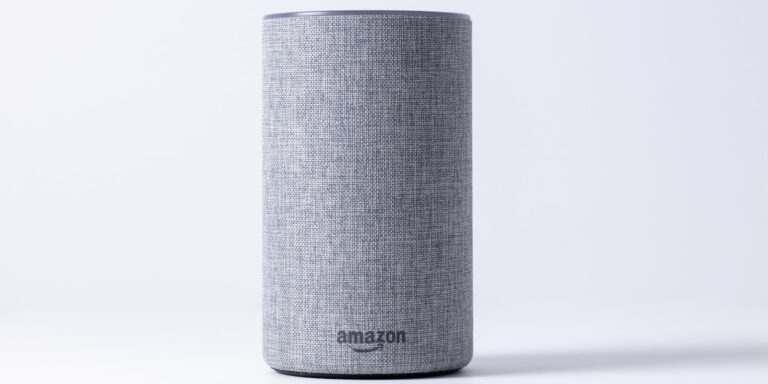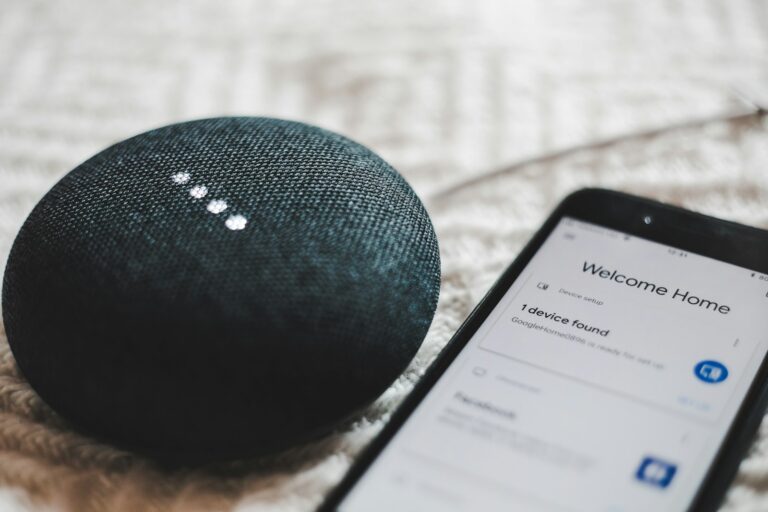
Smart homes aren’t just about convenience and cool gadgets anymore. They’re becoming a smart financial decision for homeowners looking to cut costs. Installing smart home devices like water leak detectors, security cameras, and smoke alarms can reduce your homeowners insurance premiums by 5-20% depending on your location and the specific devices you install.
These savings happen because insurance companies recognize that smart technology helps prevent damage before it occurs. When your smart water sensor detects a leak and alerts you immediately, you can address the problem before it turns into a flood that costs thousands to repair. Similarly, connected security systems deter burglars and alert you to potential break-ins, reducing theft claims.
Surprising Ways That Smart Home Tech Can Save You Money on Homeowners Insurance
Smart home technology isn’t just about convenience — it can also help reduce your homeowners insurance premiums. Insurers recognize that certain smart devices lower the risk of damage or theft, making your home safer and less costly to insure. Here’s how investing in smart home tech can lead to surprising insurance savings.
1. Smart Security Systems Reduce Theft Risk
- How it helps: Smart security cameras, doorbell cameras, and motion detectors deter burglars and provide real-time alerts.
- Insurance benefit: Many insurers offer discounts of 5-20% on premiums because homes with active security systems are less likely to be burglarized.
- Example: A smart doorbell camera that records visitors can provide evidence in case of theft, speeding up claims.
2. Smart Smoke and Carbon Monoxide Detectors Minimize Fire Damage
- How it helps: These detectors send alerts to your phone immediately if smoke or CO is detected, even when you’re away.
- Insurance benefit: Early detection reduces the chance of severe fire damage, which insurers reward with premium discounts.
- Example: Nest Protect or similar devices can lower your risk profile and qualify you for savings.
3. Water Leak Sensors Prevent Costly Flood Damage
- How it helps: Smart water sensors detect leaks under sinks, near water heaters, or in basements, alerting you before major flooding occurs.
- Insurance benefit: Preventing water damage means fewer claims and lower premiums.
- Example: A sensor that alerts you to a slow leak can save thousands in repair costs and reduce insurance risk.
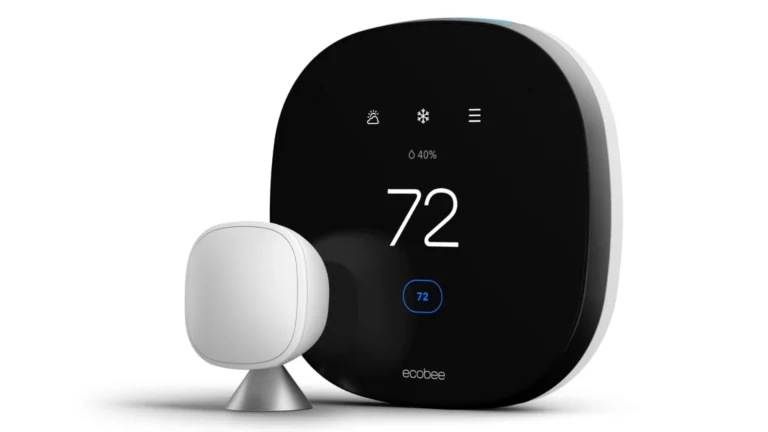
4. Smart Thermostats Improve Energy Efficiency and Reduce Fire Risk
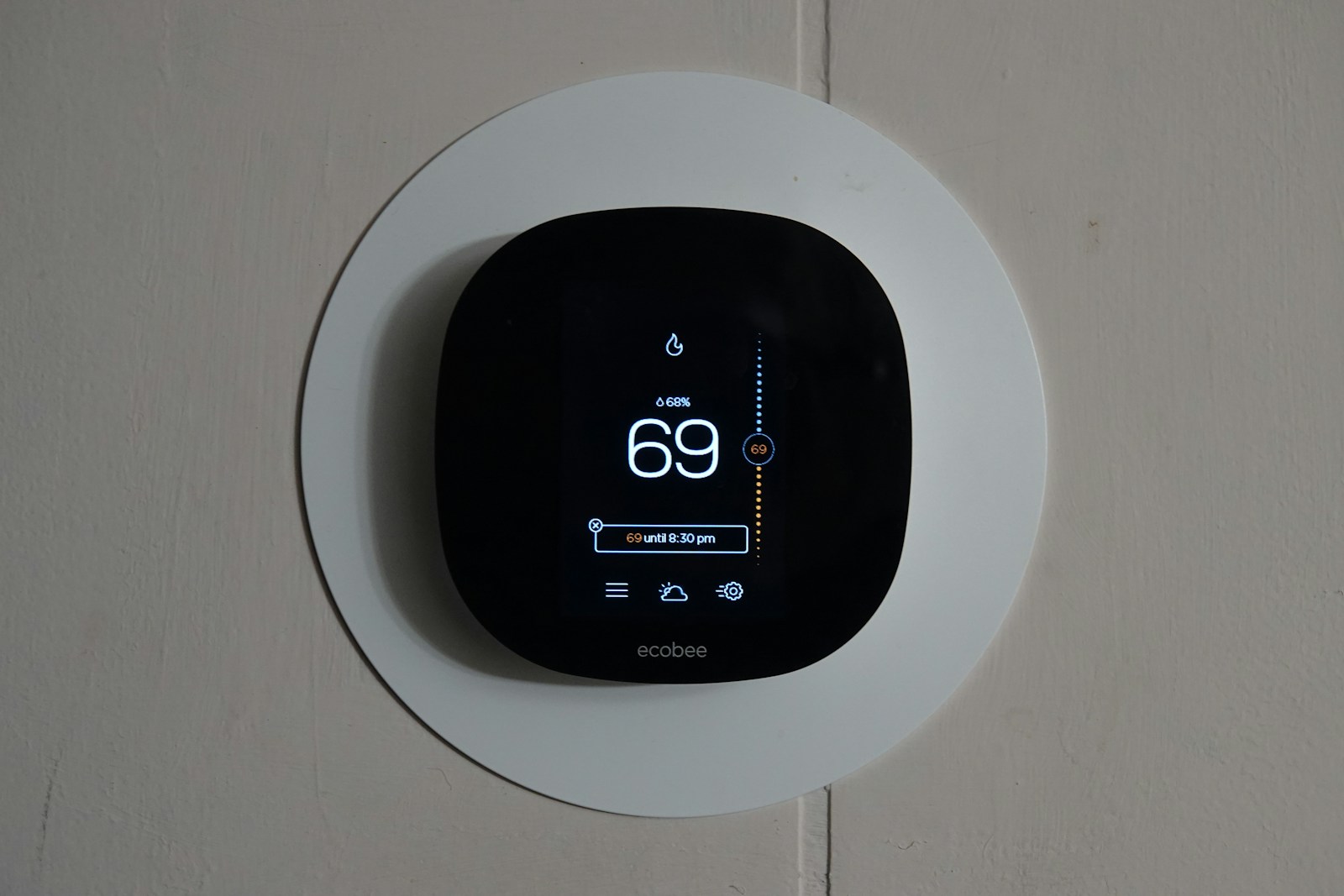
- How it helps: Thermostats like Nest or Ecobee regulate heating and cooling efficiently, preventing overheating or frozen pipes.
- Insurance benefit: Lower risk of damage from overheating or burst pipes can translate into insurance discounts.
- Example: Some insurers offer savings for homes with smart thermostats due to reduced risk of heating-related incidents.
5. Remote Monitoring and Alerts Enhance Home Safety
- How it helps: Smart hubs and apps let you monitor your home remotely and receive alerts for unusual activity.
- Insurance benefit: Quick response to emergencies reduces potential damage and claims.
- Example: If you receive a water leak alert while away, you can call a plumber immediately, preventing costly damage.
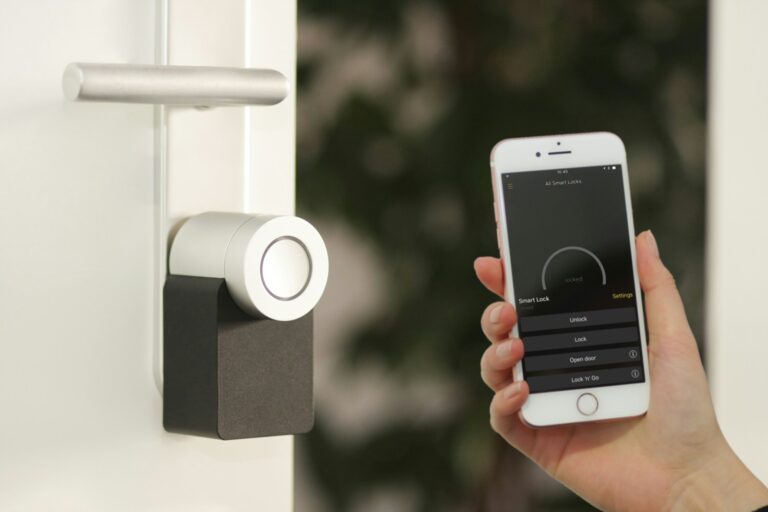
6. Smart Locks Reduce Liability and Theft
- How it helps: Smart locks allow you to control who enters your home and when, reducing unauthorized access.
- Insurance benefit: Enhanced security lowers burglary risk and may qualify you for premium discounts.
- Example: Temporary digital keys for guests reduce the risk of lost physical keys.
How to Maximize Your Insurance Savings
- Inform your insurer: Always notify your insurance company when you install smart home devices.
- Provide proof: Submit documentation or receipts showing your smart home setup.
- Bundle devices: Some insurers give bigger discounts for multiple smart devices working together.
- Maintain devices: Keep your smart home tech updated and functioning properly.
Conclusion
Smart home technology offers more than convenience and safety — it can also save you money on homeowners insurance by reducing risks and potential claims. From smart security and smoke detectors to water sensors and thermostats, these devices help protect your home and your wallet.
Key Takeaways
- Smart security devices like doorbell cameras and alarm systems can lower insurance premiums while protecting your home from theft and vandalism.
- Water leak detectors and smart smoke alarms prevent costly damage by providing early warnings of potential disasters.
- Many insurance providers offer discounts of 5-20% for homes equipped with smart home technology.
Understanding Smart Home Technology and Homeowners Insurance
Smart home devices are revolutionizing the relationship between homeowners and insurance companies. These technologies offer both enhanced safety and potential financial benefits through reduced premiums.
The Interplay Between Smart Home Tech and Insurance Premiums
Many insurance providers now offer discounts to homeowners who install smart devices in their homes. According to industry research, some insurance companies partner with smart device manufacturers to offer reduced prices on security equipment.
These discounts typically range from 5% to 20% off premiums, depending on the insurance provider and the types of devices installed. The most valuable devices for insurance discounts include:
- Smart security systems (cameras, doorbells with cameras)
- Water leak detectors
- Smoke and carbon monoxide detectors
- Smart door locks
Insurance companies recognize that these technologies reduce risk, which translates to fewer claims and lower costs for them.
How Smart Devices Contribute to Home Safety
Smart home technology enhances safety by providing real-time monitoring and alerts that can prevent disasters or minimize damage. Smart devices can reduce both the number and severity of insurance claims by detecting problems early.
For example, water sensors can detect leaks before they cause significant damage, potentially saving thousands in repair costs. Similarly, connected smoke detectors can alert homeowners to fire even when they’re away from home, allowing for faster emergency response.
Smart thermostats not only save energy but can also prevent frozen pipes by maintaining minimum temperatures during cold weather. Smart security systems deter break-ins and provide evidence if theft occurs.
These preventative benefits create a win-win situation where homeowners gain peace of mind while insurance companies face fewer claims.
Maximizing Security with Smart Home Devices
Smart home security technology offers both enhanced protection and potential savings on homeowners insurance. Modern security devices create layered protection while qualifying for discounts from many insurance providers.
Choosing Home Security Systems for Insurance Benefits
When selecting a home security system, focus on features that insurance companies value most. Complete systems that include motion sensors, door/window sensors, and professional monitoring typically earn the highest discounts – often between 5-20% off premiums.
Many insurers have specific partnerships with security providers like Ring, SimpliSafe, or ADT. Before purchasing, check with your insurance company about preferred vendors that might qualify for enhanced savings.
The certification of your system matters too. UL-certified security systems are viewed more favorably by insurance companies because they meet strict industry standards for reliability. Some policies require professional installation, while others accept DIY systems as long as they include key components.
Key features to prioritize:
- 24/7 monitoring capabilities
- Battery backup during power outages
- Cellular backup communication
- Mobile app control and alerts
Innovations in Smart Locks and Video Doorbells
Smart locks and video doorbells represent the new frontier in entry point security, effectively deterring burglars while providing documentation of activities around your home. These devices create both actual security and visible deterrents.
Video doorbells with motion detection, night vision, and cloud storage can capture evidence of theft attempts or package deliveries. Many insurance companies recognize their value in preventing claims through deterrence.
Smart locks offer keyless entry, temporary access codes for service providers, and automatic locking features. The ability to remotely verify that doors are secured reduces risk significantly.
For maximum insurance benefits, choose devices that integrate with your broader security ecosystem. Companies like SimpliSafe, Ring, and Nest offer compatible product lines that communicate seamlessly.
Insurance providers particularly value systems that send real-time alerts to homeowners’ smartphones when unusual activity is detected.
Integrating Professional Home Monitoring and DIY Solutions
The modern security landscape offers flexibility in combining professional monitoring with DIY installation options. Many insurance companies now recognize self-installed systems as valid security measures eligible for discounts.
Professional monitoring services typically cost $15-50 monthly but provide 24/7 emergency response. The peace of mind and rapid response to break-ins, fires or floods often justifies this expense through both insurance savings and prevented damage.
DIY systems have evolved substantially, now offering professional-grade features without installation fees. Many include optional professional monitoring that can be activated during vacations and deactivated at other times.
The ideal approach often combines:
- Self-installed security cameras and sensors
- Smart smoke/CO detectors
- Water leak detection systems
- Professional monitoring service
- Regular system testing and updates
When documenting your security setup for insurance purposes, provide detailed information about all components, monitoring arrangements, and any certifications your equipment carries.
Leveraging Energy Efficiency for Cost Savings
Smart home technology not only enhances comfort and convenience but can significantly reduce energy consumption, leading to lower utility bills and potential insurance discounts.
Smart Thermostats: Balancing Comfort and Cost
Smart thermostats represent one of the most impactful energy-saving investments homeowners can make. Devices like the Nest Thermostat learn household routines and automatically adjust temperatures accordingly, eliminating heating and cooling empty homes.
These intelligent devices can be controlled remotely via smartphone apps, allowing homeowners to adjust settings from anywhere. This remote access means never returning to an inefficiently heated or cooled home.
The savings are substantial. Studies show smart thermostats can reduce heating costs by 10-12% and cooling expenses by up to 15%, translating to hundreds of dollars annually on energy bills.
Many insurance companies recognize these efficiency benefits by offering premium discounts to homes equipped with smart thermostats, creating a dual financial advantage.
Home Automation’s Impact on HVAC and Energy Consumption
Comprehensive home automation systems take energy efficiency beyond basic temperature control. Modern HVAC systems integrated with smart technology can monitor and regulate airflow throughout different zones of a home, directing climate control only where needed.
Smart sensors detect occupancy patterns, adjusting cooling and heating based on which rooms are actively used. Some systems even factor in weather forecasts to optimize energy usage proactively.
Automation can significantly reduce energy consumption by ensuring systems operate only when necessary. Many insurers view these efficiency improvements as risk-reducing features.
Insurance companies increasingly offer discounts on homeowners insurance for properties with automated HVAC systems, recognizing that well-maintained and efficiently operated systems are less likely to cause property damage from malfunctions.
Utilizing Smart Alerts and Automated Systems for Prevention
Smart home technology offers powerful prevention tools that can significantly cut insurance costs. These systems work behind the scenes to detect problems before they cause expensive damage.
Immediate Benefits of Instant Alerts to Homeowners
When something goes wrong in your home, every minute counts. Smart home gadgets provide instant alerts directly to homeowners’ smartphones when issues arise, allowing for immediate action.
Water leak detectors like LeakBot can identify hidden pipe problems before they cause catastrophic flooding. These devices monitor water flow patterns and alert homeowners to unusual activity that might indicate a leak.
Smart smoke and carbon monoxide detectors notify homeowners of dangers even when they’re away from home. This immediate notification allows homeowners to contact emergency services quickly, potentially saving thousands in fire damage.
Many insurance companies recognize these benefits by offering premium discounts of 5-15% for homes equipped with connected alert systems. The investment in these technologies often pays for itself through lower home insurance premiums.
Preventing Costly Damages with Smart Home Sensors
Advanced sensors form the backbone of effective prevention systems. Water sensors placed near washing machines, water heaters, and under sinks can detect moisture immediately and automatically shut off water supplies when leaks occur.
Motion sensors paired with smart lighting not only deter potential break-ins but also qualify homeowners for security discounts from many insurance providers. These systems create the appearance of occupancy even when the home is empty.
Temperature sensors can prevent frozen and burst pipes during winter months. When temperatures drop dangerously low, these systems can alert homeowners or automatically adjust the thermostat.
Smart fire prevention technology has evolved beyond basic smoke detectors. Modern systems can detect and prevent fires through heat monitoring and automatic shut-off features for appliances identified as potential hazards.
Smart Technology for Outdoor Management and Savings
Beyond indoor safety devices, smart technology for your yard and exterior spaces can help prevent costly water damage and reduce utility bills. These innovations can lead to additional insurance discounts while protecting your property from environmental risks.
Integrating Smart Garden Tech: Eve Aqua and Water Conservation
Smart irrigation controllers like Eve Aqua transform ordinary garden hoses into water-saving systems. These devices connect to weather forecasts and soil moisture sensors to provide optimal watering schedules.
Homeowners can reduce water usage by up to 50% with these smart controllers. When unexpected rain occurs, the system automatically skips scheduled watering, preventing overwatering and potential property damage.
Some insurance companies offer discounts of 3-5% for homes with smart water management systems. The technology prevents common claims like foundation damage from improper drainage or basement flooding from oversaturated soil.
Money-saving benefits:
- Reduced water bills
- Prevention of landscape flood damage
- Lower insurance premiums
- Remote monitoring via smartphone
Regulating Air and Water Temperatures with Smart Systems
Smart pool temperature regulators and outdoor HVAC controls help maintain optimal air and water temperatures while reducing energy consumption. These systems can prevent freeze damage to pipes and pool equipment during cold snaps.
Smart devices that monitor pool water chemistry and temperature can detect problems before they become costly repairs. They automatically adjust heating systems based on weather forecasts and usage patterns.
For hot tubs and pools, smart covers can be programmed to deploy during precipitation or high winds, protecting equipment and preventing water contamination. This reduces maintenance costs and extends the life of expensive systems.
Insurance companies increasingly recognize these technologies as risk-reduction tools. Many offer premium discounts of 2-8% for homes with comprehensive outdoor monitoring systems that prevent water and weather-related damage.
Insurance Benefits and Smart Feature Eligibility
Many homeowners don’t realize their smart home investments can lead to significant insurance savings. Insurance companies now recognize how these technologies reduce risks and prevent costly claims.
Understanding Eligibility for Insurance Discounts with Smart Tech
Most major insurance providers offer discounts to homeowners with connected tech, but eligible devices vary by company. Typically, insurers focus on devices that prevent damage or enhance security.
Commonly eligible smart devices include:
- Water leak detectors
- Smart smoke/CO detectors
- Connected security systems
- Video doorbells
- Smart locks
- Temperature monitoring systems
Discount amounts differ significantly between providers. Some companies like Allstate offer up to 5% savings for approved devices, while others may provide deeper discounts for comprehensive systems.
The rationale is simple: smart devices reduce claims by catching problems early. Water sensors can detect leaks before they cause extensive damage, while security systems deter break-ins and theft.
How to Communicate with Insurers About Smart Home Upgrades
When discussing smart home upgrades with insurance companies, documentation is crucial. Homeowners should keep receipts, manuals, and installation records for all smart devices.
Before purchasing new equipment, contacting the insurance provider first is recommended. This approach ensures the specific brands and models qualify for discounts. Many insurers have preferred device partners and may even offer special pricing on select products.
When calling insurers, homeowners should ask specific questions:
- Which smart devices qualify for discounts?
- What documentation is required to prove installation?
- How much can they expect to save with each type of device?
Some companies like Amica provide rewards for a wide range of smart technology, making it worth exploring options with multiple insurers to find the best program.
Frequently Asked Questions
Many homeowners wonder about the specific benefits smart technology offers for insurance savings. Smart devices can provide real financial advantages beyond just convenience and safety features.
How do smart security systems affect homeowners insurance premiums?
Smart security systems can bring down the average price of homeowners insurance by reducing theft risk. These systems typically include door/window sensors, motion detectors, and cameras that connect to monitoring services.
Insurance companies view homes with these systems as lower risk properties. Some insurers offer discounts between 5-20% for homes equipped with professionally monitored security systems.
The more comprehensive the system, the greater potential discount a homeowner might receive. Systems that include both intrusion detection and 24/7 monitoring typically qualify for the highest discounts.
What insurance benefits are available for homes equipped with connected technology?
Homes with connected technology may qualify for various insurance benefits including premium discounts, deductible reductions, and expanded coverage options. Smart devices that prevent damage from water, fire, theft, and other unexpected events are especially valuable to insurers.
Some insurance companies offer specialized policies designed specifically for smart homes. These policies might include additional coverage for the smart devices themselves.
Certain insurers also provide claim-free rewards that increase when smart home technology successfully prevents damages that would otherwise result in claims.
In what ways can smart home automation lead to reductions in homeowners insurance costs?
Smart home automation reduces insurance costs by minimizing risks that typically lead to claims. Automated systems can shut off water when leaks are detected, reducing water damage claims.
Smart smoke and carbon monoxide detectors alert homeowners faster than traditional alarms. These early warnings help prevent or minimize fire damage, which insurance companies reward with discounts.
Lowering the amount of monthly premiums is one of the most direct ways smart home automation saves on insurance costs. The technology essentially makes homes safer and less likely to experience costly damages.
Are there specific smart home devices that are more likely to result in insurance savings?
Water leak detection devices tend to offer significant insurance savings, as water damage is among the most common and costly claims. These devices can detect leaks early and automatically shut off water supplies.
Smart smoke and carbon monoxide detectors also rank highly for insurance discounts. Fire damage can be catastrophic, so insurers value early detection technology.
Security systems with professional monitoring typically qualify homeowners for discounts up to 20% depending on the insurer and location. Doorbell cameras, window sensors, and motion detectors are particularly valued components.
How do insurance companies evaluate smart home technology when offering discounts?
Insurance companies assess the effectiveness of devices in preventing common causes of claims. They evaluate factors like professional monitoring, remote control capabilities, and automatic emergency response features.
Many insurers have specific approved device lists that qualify for discounts. They consider manufacturer reputation, reliability data, and the device’s track record in preventing losses.
Discounts vary widely in eligibility and amount depending on the type of device and insurance company policies. Some insurers require proof of installation and ongoing maintenance to maintain discount eligibility.
What are the criteria to qualify for a smart home discount on homeowners insurance?
Most insurers require devices to be properly installed and functional. Some companies conduct virtual or in-person inspections to verify installation before applying discounts.
Certain discount programs require devices to be professionally monitored rather than self-monitored. This ensures that emergencies receive appropriate responses even when homeowners are unavailable.
Insurance companies often request proof of purchase and may ask for documentation showing that systems are regularly maintained. Some smart home devices might need to meet specific standards or be from approved manufacturers to qualify for insurance discounts.