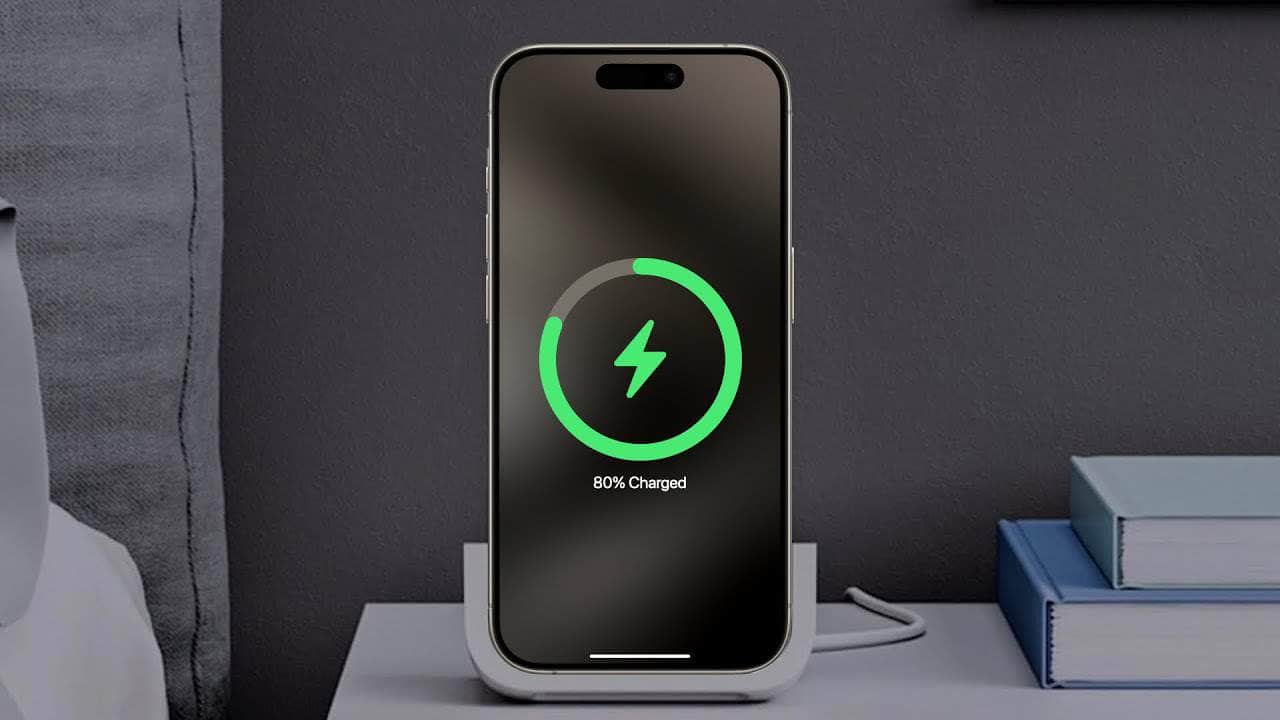
Many of us face the same nightly dilemma – should you plug in your phone before bed, or is overnight charging harmful to your battery? The good news is that modern smartphones are designed to stop charging once they reach 100%, so charging your phone overnight won’t overcharge or damage the battery. Both Apple and Samsung explicitly state that leaving your phone plugged in overnight is completely safe for your device.
However, there are still ways to optimize how you charge your phone. Keeping your battery between 20% and 80% can extend its overall lifespan. Some experts also recommend removing your phone from its case while charging overnight to prevent heat buildup, which can degrade battery health over time.
Charging habits are personal, and what works best depends on your daily routine. If overnight charging gives you peace of mind knowing you’ll wake up to a full battery, the minimal impact on long-term battery health might be worth the convenience for most users.
Should You Charge Your Phone Overnight?
It’s one of the most common smartphone questions: Is charging your phone overnight bad for the battery?
The short answer: Occasionally charging overnight is fine — but doing it every night for years can slightly reduce long-term battery health.
Let’s break down why.
How Modern Phone Batteries Work
Today’s smartphones use lithium-ion (Li-ion) or lithium-polymer batteries. These batteries:
- Don’t suffer from “memory effect”
- Prefer partial charge cycles
- Degrade over time due to heat, voltage stress, and charge cycles
Most modern phones also include smart charging technology to reduce battery wear.
What Happens When You Charge Overnight?
When you plug in your phone at night:
- It charges to 100%.
- Charging stops.
- The battery slowly drops to 99%.
- It tops back up to 100%.
This “mini cycling” continues until morning.
While this isn’t dangerous, keeping a battery at 100% for extended periods puts it under higher voltage stress, which slightly accelerates chemical aging.
Is It Dangerous?
✅ No — Modern Phones Are Safe
Today’s smartphones have built-in protections:
- Overcharge protection
- Thermal monitoring
- Automatic charge cutoff
- Smart charging optimization
You won’t “overcharge” your phone in the traditional sense.
What Actually Damages Phone Batteries?
The biggest battery health enemies are:
🔥 Heat
High temperatures cause faster chemical degradation.
- Leaving your phone under a pillow
- Charging in hot environments
- Heavy gaming while charging
Heat is far worse than overnight charging itself.
⚡ Staying at 100% Constantly
Lithium batteries prefer being between:
20% and 80%
Keeping your phone at 100% for many hours daily can gradually reduce long-term capacity.
🔋 Deep Discharges
Frequently draining to 0% is worse than charging to 100%.
Avoid fully draining your battery whenever possible.
What Is Optimized Charging?
Most modern phones now include AI-based charging management.
On iPhone:
Optimized Battery Charging learns your routine and:
- Charges to 80%
- Waits overnight
- Finishes charging to 100% just before you wake up
On Android:
Many brands offer:
- Adaptive Charging
- Battery Protection Mode (limits charging to 80–85%)
These features significantly reduce overnight wear.
✅ If enabled, overnight charging is much less harmful.
So… Should You Charge Overnight?
✅ It’s Fine If:
- Optimized charging is enabled
- Your phone stays cool
- You use manufacturer-approved chargers
⚠ It’s Better to Avoid If:
- Your phone overheats while charging
- You keep it under pillows or blankets
- You want to maximize battery lifespan for 3–5+ years
Best Charging Habits for Battery Health
If you want your battery to last longer:
✅ Keep battery between 20–80% when possible
✅ Enable optimized/adaptive charging
✅ Avoid excessive heat
✅ Use certified chargers
✅ Remove thick cases if overheating
✅ Don’t frequently drain to 0%
Is Slow Charging Better Than Fast Charging?
Fast charging generates more heat.
- Occasional fast charging is fine
- Overnight slow charging is generally gentler
However, heat matters more than speed alone.
How Much Does Overnight Charging Reduce Battery Life?
For most users:
- After 1 year: Minimal difference
- After 2–3 years: Slightly more wear if always kept at 100%
- Heavy users notice battery aging regardless of charging habits
Realistically, battery health declines due to normal charge cycles more than overnight charging alone.
Should You Unplug at 80%?
If you want maximum longevity, yes.
But for convenience? Overnight charging with optimized charging enabled is perfectly reasonable.
Modern phones are designed for real-world habits.
Quick Summary
| Myth | Reality |
|---|---|
| Charging overnight ruins your battery | ❌ Not with modern phones |
| You can overcharge your phone | ❌ Protection circuits prevent this |
| Heat is worse than 100% charge | ✅ True |
| Keeping battery 20–80% is ideal | ✅ True |
Final Verdict
Yes, you can charge your phone overnight — safely.
But if you want to maximize battery lifespan:
- Avoid heat
- Enable optimized charging
- Don’t keep it at 100% all day
- Avoid deep discharges
For most people, convenience outweighs the small long-term battery impact.
Modern smartphones are smart enough to handle overnight charging — just keep them cool.
Key Takeaways
- Modern phones automatically stop charging at 100%, making overnight charging safe for your battery.
- Heat, not overcharging, is the main factor that can reduce your battery’s lifespan over time.
- Using quality charging accessories and occasional partial charges can help maintain optimal battery health.
Understanding Smartphone Batteries
Modern smartphones rely on sophisticated battery technology that has evolved significantly over the years. Knowing how these batteries work can help you make informed decisions about charging habits and extending your device’s lifespan.
Composition of Lithium-Ion Batteries
Lithium-ion batteries power virtually all modern smartphones. These batteries contain several key components: a positive electrode (cathode), negative electrode (anode), separator, and electrolyte. The cathode typically consists of lithium cobalt oxide or lithium iron phosphate, while the anode is usually made of graphite.
When you charge your phone, lithium ions move from the cathode to the anode through the electrolyte. During discharge, they flow back to the cathode, generating electrical current that powers your device.
Unlike older nickel-cadmium batteries, lithium-ion batteries don’t suffer from the “memory effect,” meaning you don’t need to fully discharge them before recharging. This makes them more convenient for everyday use.
Battery Health and Health Factors
Several factors affect your smartphone’s battery health:
- Charge cycles: Most lithium-ion batteries last for 300-500 complete charge cycles before significant capacity loss occurs.
- Heat exposure: Consistently charging overnight produces heat, which accelerates battery degradation.
- Charging habits: Full charging cycles (0-100%) should be avoided when possible.
Keeping your battery between 20% and 80% charged typically extends its lifespan. Modern phones have protection circuits that prevent true “overcharging,” but maintaining high charge levels (95-100%) for long periods still stresses the battery.
Extreme temperatures—both hot and cold—can permanently damage your battery capacity, so avoid leaving your phone in hot cars or freezing conditions.
Role of AI in Battery Management
Artificial intelligence now plays a crucial role in optimizing smartphone battery performance. AI algorithms analyze your usage patterns to predict when you’ll need power and adjust charging accordingly.
Many newer phones include adaptive battery features that learn which apps you use most frequently. The system then limits battery usage for rarely used applications while ensuring your favorite apps have the power they need.
AI-driven charging systems can detect when you typically wake up and adjust overnight charging speed. For example, they might slow charge to 80%, then complete the final 20% just before you wake up, reducing the time your battery spends at high charge levels.
These smart systems can also detect battery degradation patterns and suggest maintenance options before you notice performance issues.
Optimizing Charging Practices
Modern smartphones have advanced battery technologies and software features that can help extend battery lifespan. Finding the right charging routine can significantly impact your phone’s battery health over time.
Advantages of Overnight Charging
Charging your phone overnight ensures you wake up to a fully charged device. This routine eliminates the stress of battery anxiety during busy days.
However, taking your phone out of its case while charging overnight can be beneficial, though not always practical with complex protective cases.
Overnight charging works well with modern smartphones because they have built-in protections that prevent overcharging. Once your battery reaches 100%, the phone automatically reduces power intake.
The convenience factor cannot be overlooked. Placing your phone on a charger before bed creates a consistent routine that fits easily into most lifestyles.
Optimized Battery Charging Features
Both iPhone and Android devices now offer special battery-saving features. iPhones have Optimized Battery Charging, which learns your routine and delays charging past 80% until you typically use your phone.
This feature reduces battery wear by minimizing the time your device spends fully charged. You can also set a Charge Limit of 80% on newer iPhones to further protect battery health.
Android phones offer similar features, though names vary by manufacturer. Look for “Battery protection,” “Adaptive charging,” or “Battery care” in your device settings.
The sweet spot for battery health is keeping your charge between 20% and 80% most of the time. Complete discharges to 0% should be avoided when possible.
Risks of Charging Your Phone Overnight
Leaving your phone plugged in while you sleep may seem convenient, but it can impact your device’s health and safety. Several factors contribute to potential problems that many people overlook.
Battery Wear and Degradation
Modern phones use lithium-ion batteries that have limited lifespans measured in charge cycles. Charging your phone overnight can accelerate battery aging by keeping it at high charge levels for extended periods.
When your battery reaches 100%, it enters a mode called “trickle charging.” This process repeatedly tops up the battery as it naturally discharges small amounts, creating many micro-charging cycles throughout the night.
Phone batteries will lose capacity over time regardless of how you use them, but frequent full charging cycles (0-100%) can speed up this degradation. Experts recommend keeping your battery between 20% and 80% for optimal longevity.
Some manufacturers have introduced adaptive charging features that learn your habits and slow charging overnight to reduce stress on the battery.
Dangers of Extreme Temperatures
Heat is a battery’s worst enemy. During charging, your phone naturally generates heat, and this effect is magnified during overnight charging sessions.
Many experts suggest removing your phone from its case while charging overnight to allow better heat dissipation. Trapped heat can damage battery cells and internal components.
Placing your charging phone under pillows, blankets, or on soft surfaces creates insulation that prevents normal cooling. This can lead to dangerous temperature increases.
Cold temperatures also affect charging performance, making batteries less efficient and potentially causing damage if charged while very cold.
Optimal charging temperature range:
- 50°F to 86°F (10°C to 30°C)
- Avoid charging below 32°F (0°C)
- Avoid charging above 95°F (35°C)
Potential Fire Hazards
While modern phones have multiple safety features to prevent overcharging, the risk of fire is never completely eliminated. Several factors can increase this risk.
Using damaged cables or third-party chargers that aren’t certified for your device can bypass safety mechanisms. Look for certification labels like UL, MFi (for Apple), or specific manufacturer certifications.
Placing your charging phone on flammable surfaces like bedding increases risk if overheating occurs. Hard, non-flammable surfaces are always safer.
Physical damage to batteries can create fire hazards. If your phone is bent, swollen, or has been dropped repeatedly, the battery could be compromised.
To minimize fire risks:
- Use original or certified chargers and cables
- Keep your phone on hard surfaces while charging
- Disconnect once fully charged when possible
- Replace damaged accessories immediately
Choosing the Right Accessories
Using proper charging equipment makes a big difference in your phone’s battery health and longevity. The right accessories can improve charging efficiency while helping to protect your device from potential damage.
Selecting a Quality Power Adapter
When choosing a power adapter, look for one that matches your phone’s specifications. Original manufacturer chargers are typically the safest option as they’re designed specifically for your device. If you’re buying a third-party adapter, make sure it’s certified for your phone model.
Modern smartphones often support fast charging. While convenient, fast charging can impact battery life if used constantly. Consider using standard charging when you’re not in a hurry.
Look for adapters with these safety features:
- Overheat protection
- Short circuit protection
- Overcurrent protection
Temperature regulation is important too. Quality adapters maintain safe charging temperatures even during extended use. This is especially important if you plan to charge overnight.
The Importance of Using a Reliable Charging Cable
A good charging cable can make a significant difference in charging speed and safety. Not all cables are created equal – cheaper options often use thinner wires that deliver less power and wear out faster.
Check for these indicators of a quality cable:
- Proper thickness (lower gauge numbers mean thicker wires)
- Reinforced connectors
- Braided covering for durability
Avoid extremely cheap cables that lack proper certification. These may not regulate current properly and could potentially damage your phone’s charging port or battery.
Remember to inspect your cables regularly. Fraying, bent connectors, or exposed wires are signs it’s time for a replacement. Using damaged cables can lead to inconsistent charging and potential safety hazards.
Advantages of Wireless Charging
Wireless charging offers a convenient alternative to traditional cable charging. Modern smartphones increasingly support this technology, allowing you to simply place your device on a charging pad.
Benefits of wireless charging:
- Reduces wear on charging ports
- Eliminates cable clutter
- Often includes built-in safety features
When selecting a wireless charger, look for models with multiple charging coils that provide flexible placement. This makes it easier to position your phone correctly without precise alignment.
Be aware that wireless charging typically generates more heat than wired charging. Quality chargers include cooling systems and automatic temperature monitoring. If you plan to charge overnight wirelessly, look for models that reduce power once your battery reaches full capacity.
Maintaining Battery Health
Taking care of your phone battery extends its life and improves daily performance. Modern phones use lithium-ion batteries that need specific care routines to maintain their capacity over time.
Avoiding Full Discharges and Overcharges
Lithium-ion batteries don’t like extremes. You should avoid letting your battery drain completely to 0%. This puts stress on the battery cells and can reduce overall capacity faster.
Similarly, keeping your battery at 100% for extended periods isn’t ideal. Many manufacturers suggest limiting maximum charge to 85% for optimal battery health. This prevents unnecessary strain on the battery.
Modern phones have built-in protections that stop charging when batteries reach 100%, but the battery still works to maintain that level. Try to keep your battery between 20% and 80% when possible for best results.
Charging in a Well-Ventilated Area
Heat is a battery’s worst enemy. When charging your phone, always place it on a hard, cool surface rather than soft materials like beds or couches that trap heat.
Remove any thick cases during charging, especially overnight, as these can prevent proper heat dissipation. A well-ventilated area helps your phone stay cooler while charging.
Avoid exposing your phone to direct sunlight or leaving it in hot cars while charging. These extreme temperature conditions significantly accelerate battery degradation and can even pose safety risks.
Frequent Charging Versus Full Charging Cycles
Partial charging is better for lithium-ion batteries than full cycles. It’s actually better to do several small top-ups throughout the day than one long charge from near-empty to full.
This “grazing” approach to charging puts less stress on your battery than deep discharge cycles. Overnight charging is generally safe with modern phones, though ideally you’d unplug once fully charged.
Fast charging is convenient but generates more heat. Use standard charging when possible, especially for overnight charging. Save fast charging for when you’re in a hurry and need a quick power boost.
Frequently Asked Questions
Many people wonder about the effects of charging their phone overnight. Here are answers to common questions about battery health, safety concerns, and best practices for both iPhone and Android devices.
Is it detrimental to smartphone battery health to charge it throughout the night?
Modern smartphones have built-in protections that prevent overcharging. Once your battery reaches 100%, your phone stops drawing power from the charger, even if it remains plugged in.
However, keeping your phone at 100% charge for extended periods can cause some stress to the battery. This is because lithium-ion batteries naturally degrade faster when kept at full capacity for long periods.
Some experts recommend removing your phone from its case while charging overnight to prevent heat buildup, which can damage batteries.
What are the risks of overnight charging with regards to potential fire hazards?
The risk of fires from overnight charging is extremely low with quality, certified charging equipment. Most dangerous incidents occur with damaged cables, counterfeit chargers, or placing phones under pillows where heat can’t escape.
To minimize any potential hazards, place your phone on a hard, flat surface while charging. Avoid covering it with fabrics or charging on soft surfaces like beds or couches.
Using manufacturer-recommended chargers and cables also helps prevent electrical issues that could lead to overheating.
How does prolonged charging affect the battery lifespan of an iPhone?
Keeping your iPhone continuously charged to 100% can put strain on the battery, potentially shortening its lifespan over time.
iPhones have a feature called Optimized Battery Charging that learns your charging habits and delays charging past 80% until you’re about to use your phone. This helps reduce battery aging.
If you frequently charge overnight, enabling this feature in your battery settings can help maintain battery health longer.
What is the impact of overnight charging on Android devices?
Android devices use similar lithium-ion battery technology as iPhones and face the same potential for accelerated degradation when kept at 100% charge for extended periods.
Many newer Android phones include adaptive charging features that slow charging overnight based on your alarm settings to reach 100% just before you wake up.
This smart charging approach helps minimize the time your phone spends fully charged, potentially extending battery lifespan.
At what battery percentage should a phone be ideally charged to ensure optimal battery health?
Battery experts suggest keeping your phone’s charge level between 20% and 80% for optimal battery longevity. This range minimizes stress on the battery.
Letting your battery drop below 20% regularly or keeping it at 100% for extended periods can reduce battery life faster.
If maintaining this range isn’t practical for your lifestyle, just know that modern phones are designed to handle full charging cycles without immediate problems.
Can charging your phone while sleeping pose any health risks?
There’s no credible scientific evidence that charging your phone overnight poses direct health risks to you while sleeping.
The electromagnetic fields produced by charging phones are very weak and haven’t been shown to cause harm to humans during sleep.
The main concern is simply keeping electronic devices at a reasonable distance from your head while sleeping, which is good practice regardless of whether they’re charging.